Fuel filter paper fits paper-based automotive elements, while laminated media combines paper with PET and PBT layers for fuel and water separation. The comparison helps you match each construction to your element design.
At a glance
Material construction and application
Grammage
Thickness
Air permeability
Burst strength
Fuel filter paper and laminated fuel-water media serve different element designs. We supply a wood-pulp paper medium for automotive filter elements and a layered medium for fuel and water separation. The table keeps the shared measurements together, then the selection notes connect each construction to the buyer's design decision.
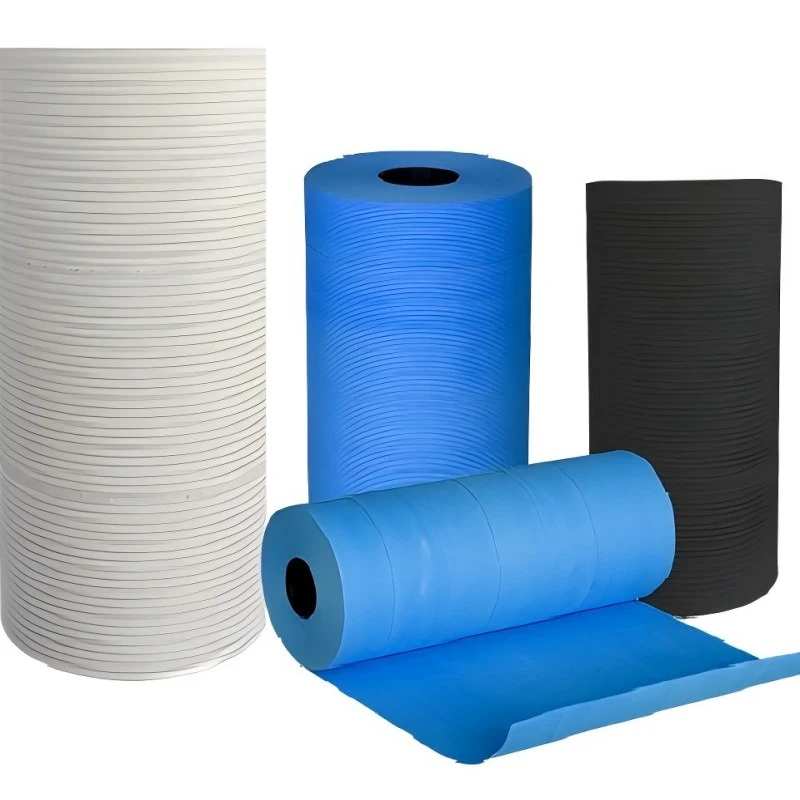
The paper medium uses wood pulp as its raw material. It may be cellulose or cellulose composited with melt brown. Its impregnation options are acrylic acid in the non-cured form and phenolic resin in the cured form. The material is intended for automotive filter media, where physical indicators and pleating are part of the element design.
The laminated medium combines PET spunbond nonwoven, PBT meltblown nonwoven, and filter paper. The spunbond layer provides protection, while the meltblown layer supports oil-water separation, dust-holding capacity, and filtration performance. Wood pulp paper contributes the physical indicators and pleating function within the layered medium.
Pick the paper medium when the element is built around a cellulose grade and its paper-specific settings. Pick the laminate when the element requires a composite of PET, PBT, and filter paper for fuel and water separation.
| Criterion | Fuel Filter Paper | Laminated Filter Paper Fuel and Water Separation |
|---|---|---|
| Material construction | Cellulose or composited with melt brown; acrylic acid non-cured or phenolic resin cured | PET spunbond nonwoven, PBT meltblown nonwoven, and filter paper |
| Grammage | 120 ± 5, 130 ± 5, or 135 ± 5 g/sq.m | 250±20 g/sqm |
| Thickness | 0.4 - 0.45, 0.45 - 0.5, or 0.5 ±0.05 mm | ≥0.65 mm |
| Air permeability | 150 - 180, 140 - 170, or 130 - 160 L/100cm²·min at ΔP=200Pa | 130±30 L/sqm.s at p=200pa |
| Burst strength | 380, 420, or 450 Kpa | ≥400 kpa |
| Maximum pore size | 60, 55, or 50 µm | 55±10 μm |
The paper medium has three listed choices across the shared measurements. The laminate uses one listed range for each shared measurement. Keep the air-permeability test notation with the value during design review because the products use different area and pressure expressions.
Thickness matters when the finished element has a fixed pleat pack or housing space. The paper options range from 0.4 - 0.45 mm to 0.5 ±0.05 mm, while the laminate is ≥0.65 mm. Compare the selected thickness with the available element space before setting the pleat geometry.
Burst strength and maximum pore size define physical checkpoints for the selected medium. The paper lists burst strength of 380, 420, or 450 Kpa and maximum pore size of 60, 55, or 50 µm. The laminate lists ≥400 kpa and 55±10 μm. Use the value for the selected grade when setting incoming checks for the roll or finished element.
Paper-based element designs can use a width range of 46mm-1650mm. The technical data also includes corrugation depth of 0.20 - 0.28 mm and resin content of 17 - 22%. These product-specific points give a converter parameters to align with the paper grade and pleating plan.
The laminated medium needs a design review that accounts for its layered construction and its ≥0.65 mm thickness. The PET spunbond layer, PBT meltblown layer, and filter paper occupy one composite medium, so the finished element should be sized around the layered structure. Its fuel and water separation application suits media requirements that include this function.
Our fuel filter paper suits a paper-based automotive filter element where the selected grade, width, corrugation depth, resin content, and pleating plan drive the purchase. Our laminated filter paper for fuel and water separation suits a composite element requiring PET and PBT layers alongside filter paper.
The two options
Fuel Filter Paper
Laminated Filter Paper Fuel and Water Separation
The width range is 46mm-1650mm. This range is useful when matching roll width to the converting line and planned element format. Use the required finished width and paper grade together when asking us to align the material with your automotive filter element design.
The highest listed stiffness is 4400 mg. The three choices list stiffness values of 3500, 4100, and 4400 mg. Stiffness is a paper-side selection point, so review it with the chosen grammage, thickness, and pleat requirements when setting the element design.
Yes. All colors are available. Color can help separate grades or product runs in a converting and storage system, while filtration design still depends on the selected paper properties and element geometry. Include the requested color with the grade and width when asking us to prepare a quotation.
Choose fuel filter paper for a paper-centered automotive element with a defined grade and roll width. Choose laminated fuel-water separation media when the element requires PET and PBT layers with filter paper. Send the target element format, selected medium, and required test conditions for a quotation.

About the author
The company
Hebei Fangyu Filter Material Technology Co.,Ltd is the leading innovative developer and manufacturer all kinds of filter materials in China. Located in the economically developed Handan Hebei specialized in various kinds of filter materials from Synthetic Media, Pre- filter Non Woven Fabric ,Wire Mesh Backed Laminated Filter Media, Auto Cabin Filter Media, polypropylene filter media, Glass Microfiber Filter Media ,Pre- filter non woven fabric, activated carbon filter materials, EN779 bag filter materials, HEPA…
About Us ↗Visit company website ↗