Comprehensive Guide to Paint Stop Filter Media for Optimal Spray Booth Performance

  • Home
  • news
  • Comprehensive Guide to Paint Stop Filter Media for Optimal Spray Booth Performance
Comprehensive Guide to Paint Stop Filter Media for Optimal Spray Booth Performance
Feb . 26, 2026

Understanding Paint Stop Filter Media: A Comprehensive Guide

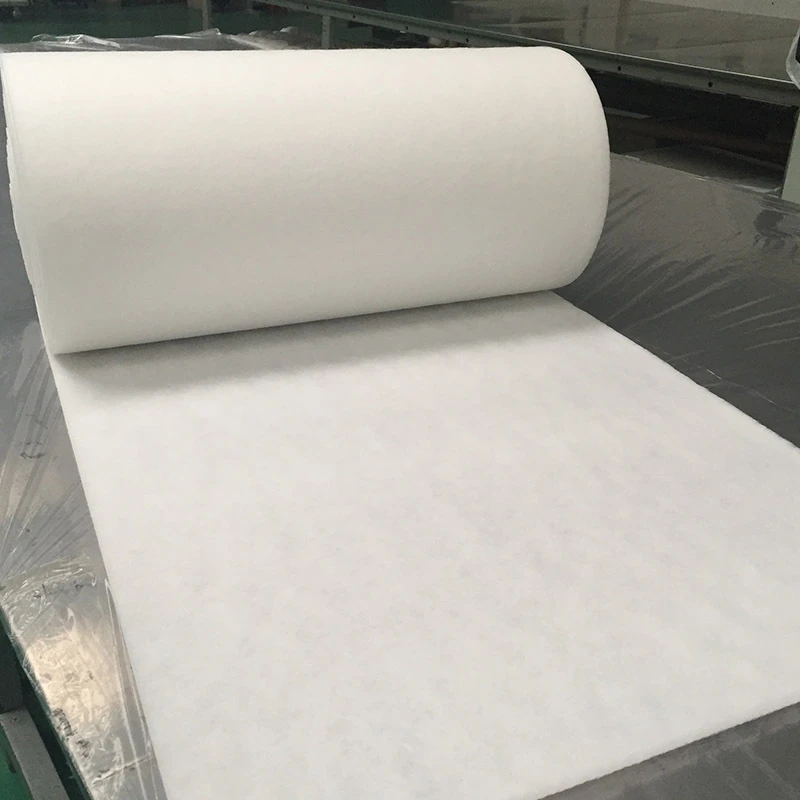
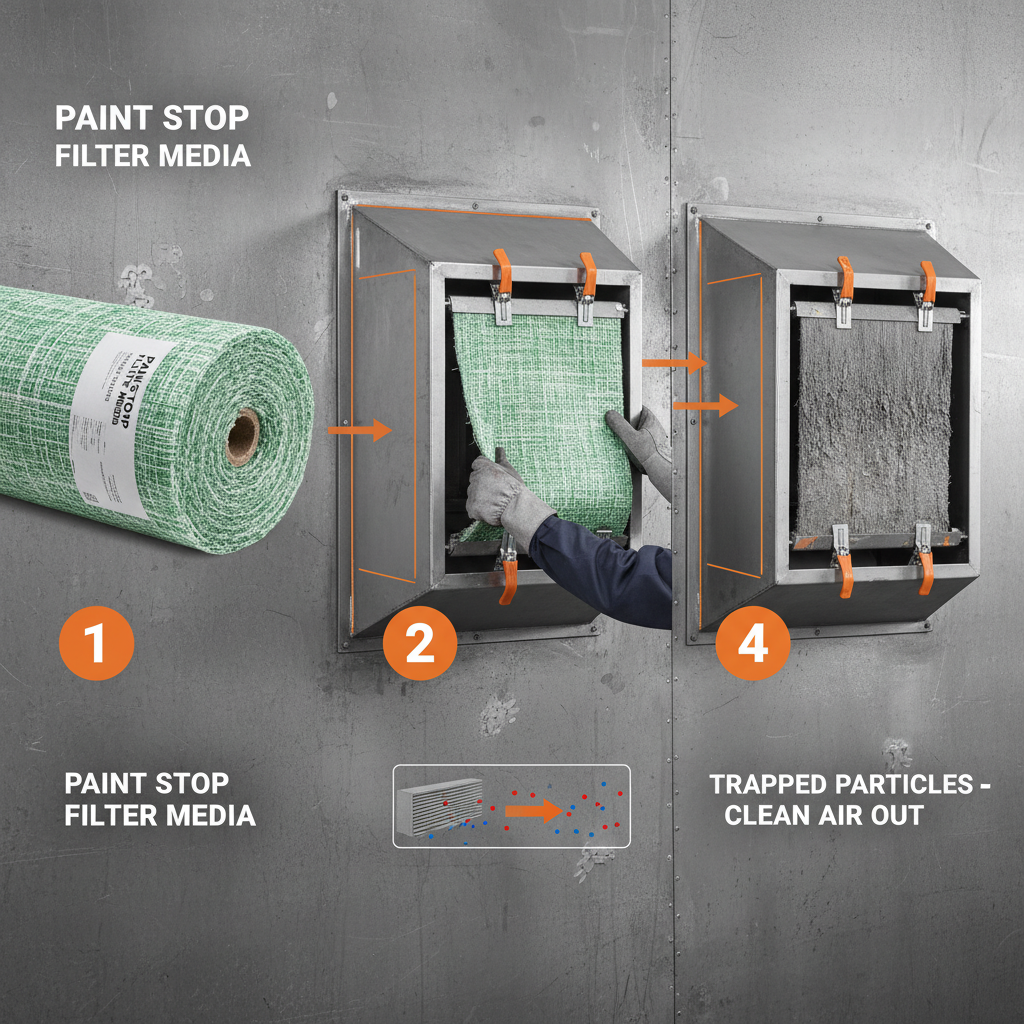
Paint stop filter media are crucial components in spray booth systems, designed to capture oversized particles and prevent them from reaching the main filters. This prolongs the life of your expensive primary filters and ensures a high-quality finish. Selecting the right paint stop filter media is essential for optimal performance and cost-effectiveness. At FiltersMaterials.com, we specialize in providing high-quality filter media for a wide range of industrial applications. Understanding the nuances of paint stop filters can significantly impact your painting process efficiency and overall costs.
Comprehensive Guide to Paint Stop Filter Media for Optimal Spray Booth Performance

What are Paint Stop Filter Media?

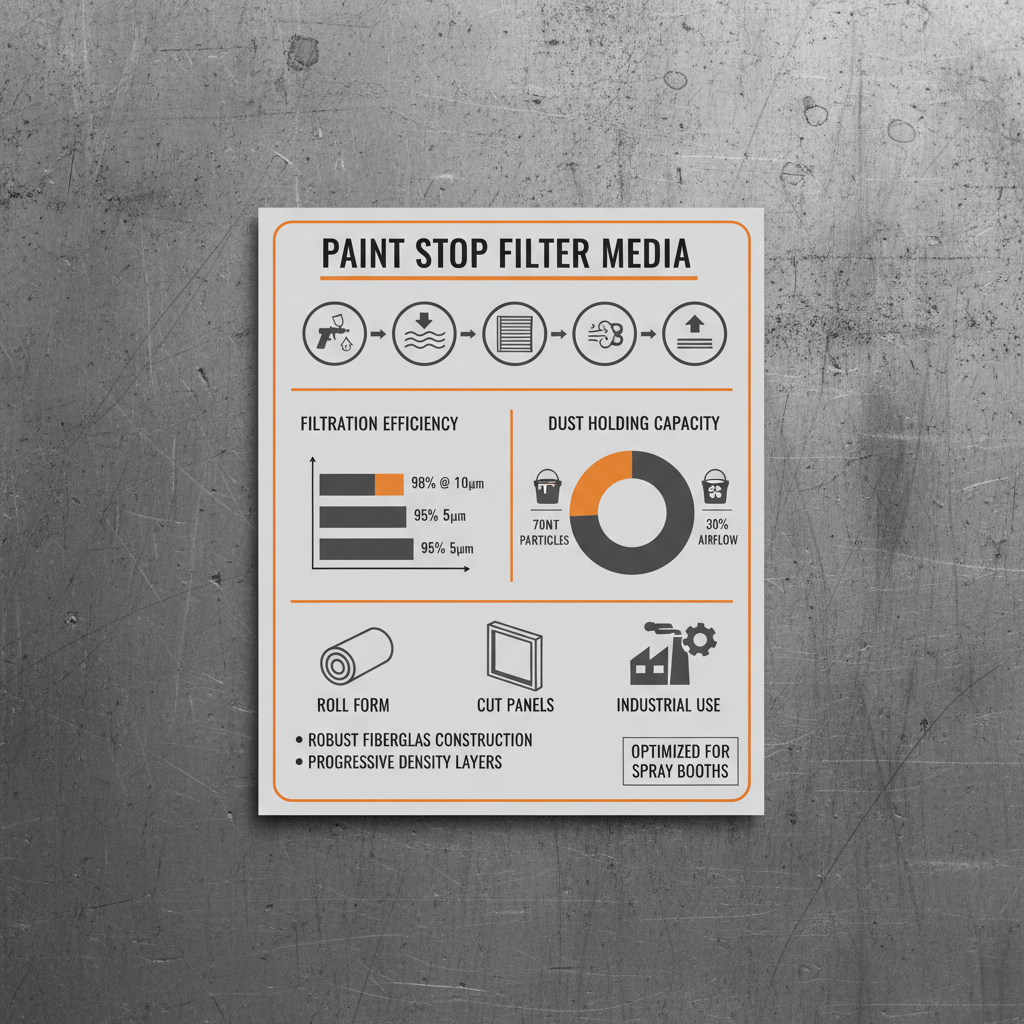
Paint stop filters, often referred to as pre-filters, are the first line of defense in a spray booth filtration system. They capture large particles of paint, dust, and other debris before they can contaminate the more expensive and critical main filters – typically cartridge or pleated filters. This prevents premature clogging and extends the lifespan of these primary filters, reducing replacement costs. These filters are usually disposable and designed for frequent replacement, depending on the painting volume and paint type. Investing in quality paint stop media is a proactive step towards maintaining a clean and efficient spray booth operation.

Key Benefits: Reduces the load on primary filters, lowers operating costs, maintains paint quality, and extends filter lifespan.

Types of Paint Stop Filter Media

Several types of paint stop filter media are available, each with its own characteristics and best-suited applications. Common options include:

  • Polyester Filter Media: Cost-effective and suitable for water-based paints.
  • Polypropylene Filter Media: Excellent for solvent-based paints and resists chemical degradation.
  • Glass Fiber Filter Media: Offers high efficiency and durability, ideal for demanding applications.
  • Tack Cloth: Non-woven material used for removing fine dust and particles before painting.

Choosing the right material depends on the type of paint used, the volume of spraying, and the desired level of filtration. FiltersMaterials.com provides a comprehensive range of these media to meet your specific needs.

Material Considerations:

Paint Type: Water-based vs. solvent-based dictates material compatibility.

Efficiency: Different materials offer varying levels of particle capture.

Cost: Balance performance with budgetary constraints.

Paint Stop Filter Media Comparison

Understanding the differences between filter media is key to making an informed decision. Here's a comparison of common materials:

Material Paint Compatibility Efficiency Cost
Polyester Water-based Moderate Low
Polypropylene Solvent-based High Moderate
Glass Fiber Both Very High High

The Importance of Regular Replacement

Paint stop filters become saturated with paint and debris over time, reducing their effectiveness. Regularly replacing these filters is crucial to maintain optimal spray booth performance. The frequency of replacement depends on the volume of painting, the type of paint used, and the efficiency of the filter media. Ignoring replacement can lead to increased pressure drop, reduced paint quality, and premature failure of the main filters. FiltersMaterials.com recommends establishing a routine filter replacement schedule based on your specific application.
Comprehensive Guide to Paint Stop Filter Media for Optimal Spray Booth Performance

Selecting the Right Paint Stop Filter Media: Key Considerations

When choosing paint stop filter media, consider these factors:

  • Paint Type: Water-based, solvent-based, or epoxy?
  • Particle Size: What size particles do you need to capture?
  • Airflow Requirements: Ensure the filter media doesn’t restrict airflow.
  • Cost-Effectiveness: Balance performance with budget.

For expert guidance on selecting the optimal paint stop filter media for your specific needs, contact the team at FiltersMaterials.com. We offer personalized recommendations and a wide selection of high-quality filter products.

Conclusion: Optimizing Your Spray Booth with Quality Filtration

Investing in the right paint stop filter media is a crucial step in maintaining a high-quality and efficient spray booth operation. By effectively capturing oversized particles, these filters protect your primary filters, reduce operating costs, and ensure a superior finish. At FiltersMaterials.com, we are committed to providing you with the best filtration solutions for your specific needs. Don't compromise on quality – choose FiltersMaterials.com for reliable performance and exceptional value.

Frequently Asked Questions (FAQs)

How often should I replace my paint stop filters?

The frequency of replacement depends on your painting volume and the type of paint used. As a general guideline, inspect filters weekly and replace them when they appear visibly dirty or clogged. A good rule of thumb is to replace them after every 50-100 hours of spray booth operation, but this can vary significantly. Ignoring replacement leads to reduced efficiency and potentially damaged primary filters. Monitoring pressure drop across the filters can also indicate when replacement is needed.

What is the difference between paint stop filters and primary filters?

Paint stop filters are designed to capture large particles of paint and debris, acting as a pre-filter to protect the primary filters. Primary filters, such as cartridge or pleated filters, are designed to capture smaller particles and provide a higher level of filtration. Paint stop filters are typically less expensive and are replaced more frequently than primary filters. Think of paint stop filters as the first line of defense, while primary filters handle the finer details.

Can I use the same type of filter media for all types of paint?

No, it's crucial to select filter media compatible with the type of paint you're using. Water-based paints typically work well with polyester media, while solvent-based paints require polypropylene or glass fiber media to resist chemical degradation. Using the wrong type of media can lead to premature filter failure and reduced efficiency. Consult the filter manufacturer’s guidelines or contact FiltersMaterials.com for expert advice.

Share:
Comprehensive Guide to Pocket Filter Rolls for Optimal Air Quality
Pocket filter rolls are a versatile and effective air filtration solution used across a multitude of industries. These rolls, containing pleated media within individual pockets, offer a high surface area for capturing dust, pollen, and other airborne particles. Filtersmaterials.com provides a range of high-quality pocket filter rolls tailored to various needs. Understanding their characteristics, applications, and benefits is crucial for optimizing air quality in your specific environment. Choosing the right filter roll can dramatically improve system performance and reduce maintenance costs. Pocket filter rolls consist of a continuous length of filter media formed into individual pockets. This design maximizes the surface area available for particle capture, leading to higher dust-holding capacity and longer filter life. The media is typically constructed from synthetic fibers like polyester or polypropylene, offering excellent filtration efficiency and resistance to moisture. These rolls are a cost-effective alternative to individual pocket filters, particularly in systems requiring large filter areas.
Improve Indoor Air Quality with a High Efficiency Pocket Air Filter
In today's increasingly health-conscious world, clean air is paramount. From homes to offices, and even vehicles, maintaining air quality is crucial for well-being. A pocket air filter offers a simple, cost-effective solution to improve indoor air quality. These filters are designed to capture dust, pollen, and other airborne particles, contributing to a healthier living and working environment. This article will delve into the features, benefits, applications, and considerations when choosing a pocket air filter, helping you make an informed decision. Filtersmaterials provides high-quality pocket air filters for various needs. A pocket air filter is a type of disposable air filter commonly used in HVAC systems, furnaces, and air conditioning units. They are constructed with layers of pleated filter media, contained within a durable fabric pocket. This design creates a large surface area for trapping airborne particles. They are an economical and readily available option for improving air quality.
Comprehensive Guide to Pocket Filter Media for Enhanced Air Quality
Pocket filter media are a crucial component in many industrial and commercial HVAC systems. They offer an efficient and cost-effective solution for pre-filtration, protecting more expensive downstream filters and extending the lifespan of the overall system. This article provides a detailed overview of pocket filter media, covering their construction, applications, benefits, and how to choose the right media for your specific needs. Ensuring optimal air quality requires understanding the role these filters play in maintaining system performance. Pocket filters are constructed from a layered arrangement of non-woven synthetic fibers, typically polyester or polypropylene. These fibers are formed into individual pockets, creating a large surface area for capturing airborne particles. The pockets are sewn or ultrasonically bonded to a supporting frame, providing structural integrity. This design allows for high dust-holding capacity and relatively low airflow resistance, making them ideal for pre-filtration applications. Pocket filters effectively remove larger particles, safeguarding more sensitive and costly filters like HEPA filters from premature clogging.

If you are interested in our products, you can choose to leave your information here, and we will be in touch with you shortly.