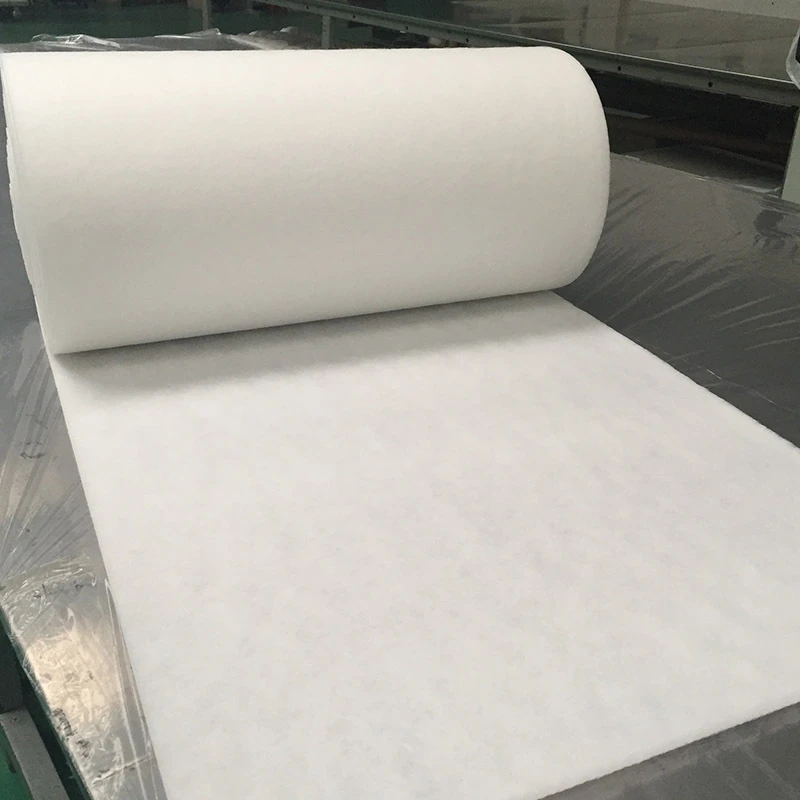
Ceiling filters play a crucial role in maintaining indoor air quality, particularly in commercial and industrial settings. These filters remove dust, pollen, and other airborne particles, contributing to a healthier and more comfortable environment. This article will delve into the different types of ceiling filters available, their applications, benefits, and how to choose the right filter for your needs. Proper filtration is vital for preventing the spread of allergens, improving HVAC system efficiency, and safeguarding sensitive equipment. Investing in quality ceiling filters is an investment in a cleaner, safer, and more productive space.
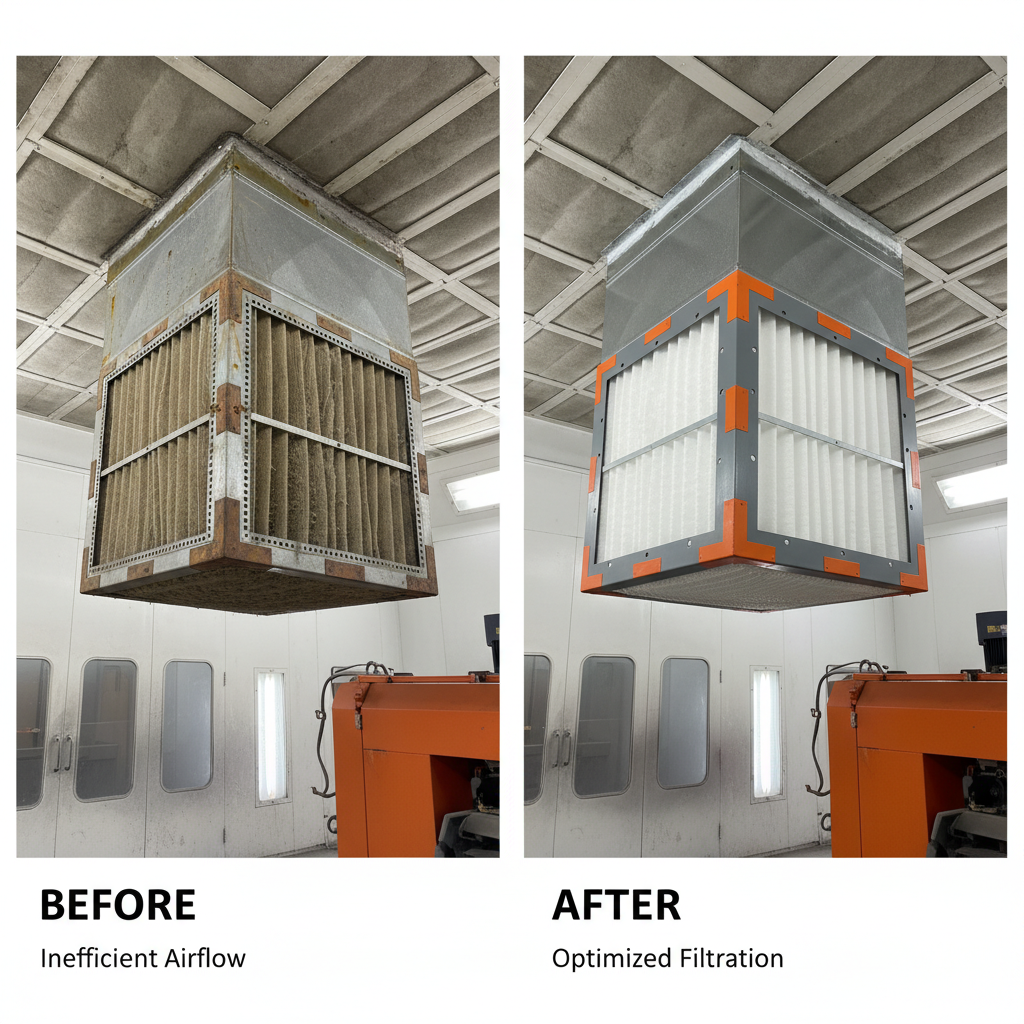
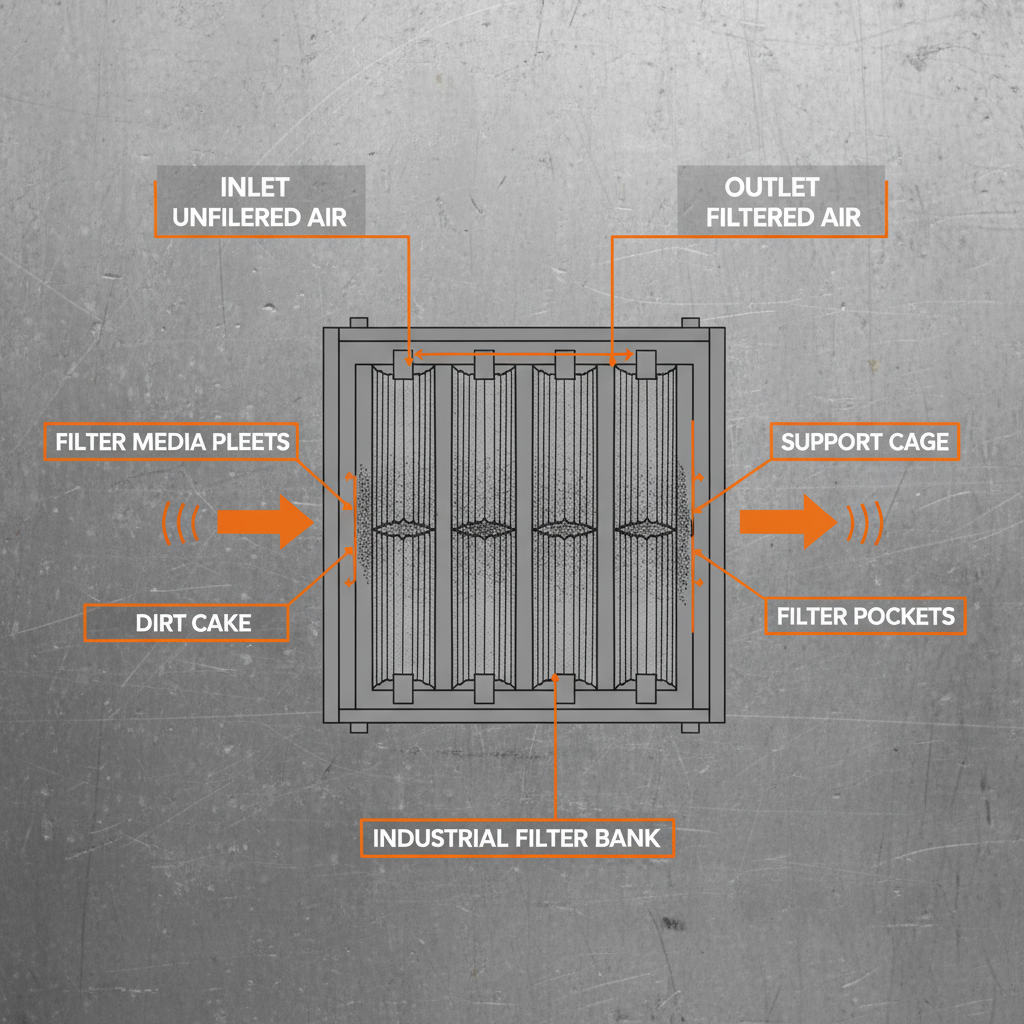
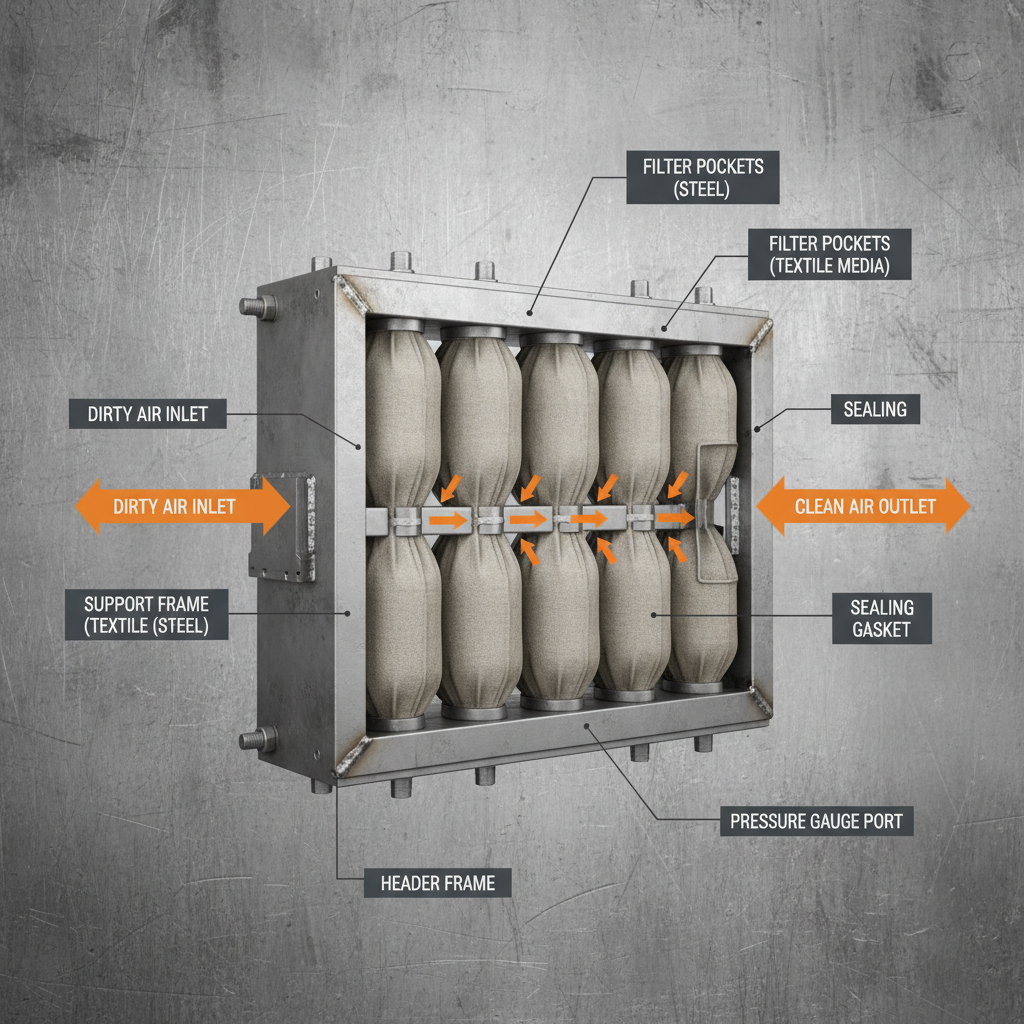
A variety of ceiling filters are available, each designed for specific applications and levels of filtration. Common types include fiberglass filters, pleated filters, HEPA filters, and washable filters. Fiberglass filters are the most economical option, providing basic filtration for larger particles. Pleated filters offer improved filtration efficiency due to their larger surface area. HEPA (High-Efficiency Particulate Air) filters are capable of removing 99.97% of particles 0.3 microns in size, making them ideal for environments requiring ultra-clean air. Washable filters offer a reusable option, reducing waste but may have lower filtration efficiency.
Key Takeaway: The right type of ceiling filter depends on your specific air quality needs and budget.
Ceiling filters are used in a wide range of settings, including offices, hospitals, schools, manufacturing facilities, and data centers. In commercial buildings, they help maintain a comfortable and healthy indoor environment for occupants. Hospitals and laboratories rely on HEPA filters to prevent the spread of airborne pathogens. Manufacturing facilities use filters to protect sensitive equipment from dust and contaminants. Data centers utilize high-efficiency filters to prevent overheating and ensure reliable operation. Choosing the right filter is crucial for optimizing performance and minimizing downtime.
Application Specifics:
• Commercial Buildings: Pleated or washable filters for general air quality.
• Healthcare Facilities: HEPA filters for critical air purification.
• Industrial Settings: High-efficiency filters to protect equipment.
• Data Centers: Filters designed for optimal airflow and heat dissipation.
One of the key ways to compare ceiling filters is through their MERV (Minimum Efficiency Reporting Value) rating. MERV ratings range from 1 to 20, with higher numbers indicating greater filtration efficiency. A MERV 8 filter captures pollen, dust mites, and mold spores, while a MERV 13 filter can capture bacteria and some viruses. Choosing the appropriate MERV rating depends on your specific air quality concerns and the requirements of your HVAC system. Consulting with an HVAC professional can help you determine the optimal MERV rating for your needs.
Investing in high-quality ceiling filters provides numerous benefits, including improved indoor air quality, reduced energy costs, extended HVAC system lifespan, and a healthier environment for occupants. Cleaner air reduces the risk of allergies and respiratory problems. Improved HVAC system efficiency leads to lower energy bills. Regular filter replacement prevents dust buildup, reducing strain on the system and extending its operational life. Ultimately, quality filtration contributes to a more sustainable and cost-effective operation.
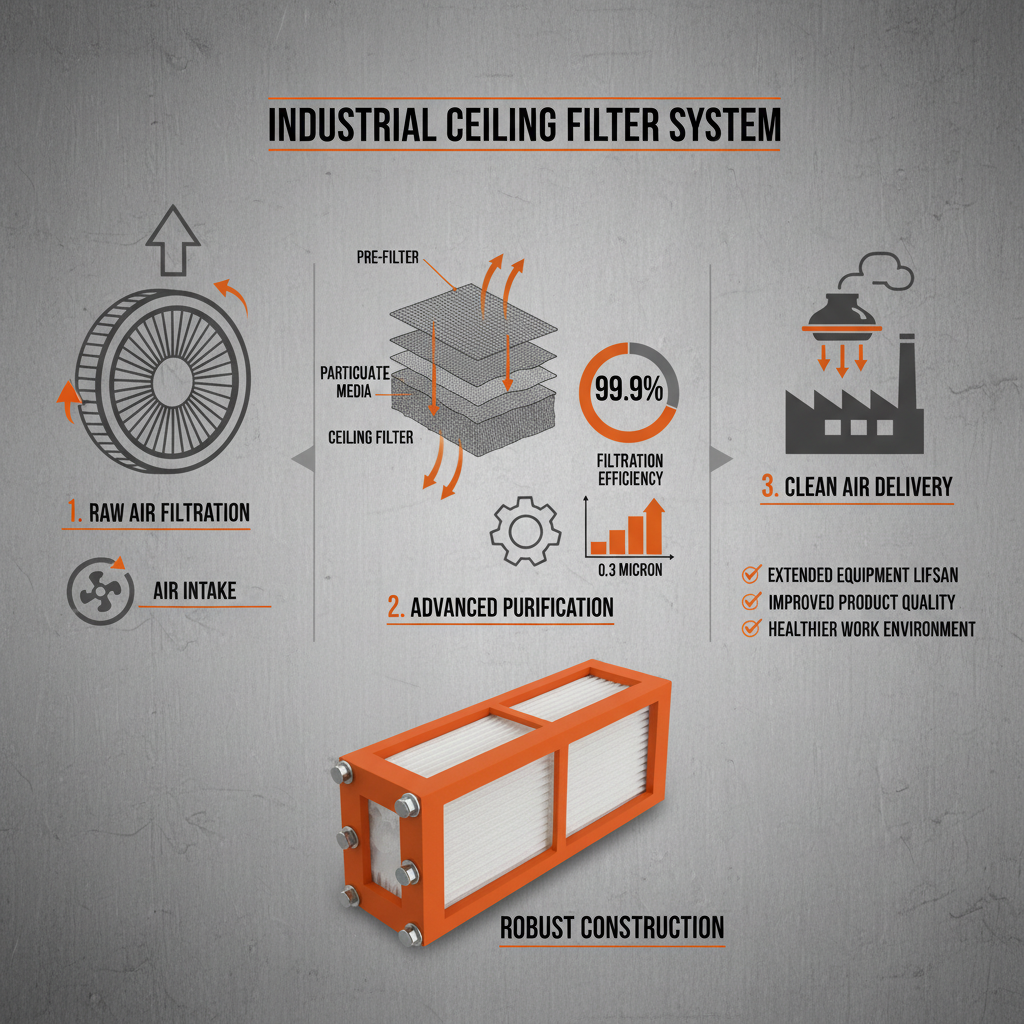
Selecting the optimal ceiling filter requires careful consideration of your specific needs and environment. Assess your air quality concerns, consider the MERV rating required for your application, and ensure the filter is compatible with your HVAC system. Look for filters that are certified by reputable organizations. And remember to replace your filters regularly to maintain optimal performance. Filtersmaterials.com provides a wide range of high-quality ceiling filters to meet your needs.
Investing in the right ceiling filters is a crucial step in maintaining a healthy and productive environment. By understanding the different types of filters available and choosing the one that best suits your needs, you can significantly improve indoor air quality, reduce energy costs, and extend the lifespan of your HVAC system. Explore the extensive selection of ceiling filters at Filtersmaterials.com and breathe easier knowing you've made the right choice.
The frequency of filter replacement depends on several factors, including the type of filter, the level of air pollution, and the usage of your HVAC system. As a general guideline, fiberglass filters should be replaced every 30 days, pleated filters every 90 days, and HEPA filters every 6-12 months. However, it's always best to check your filters monthly and replace them when they appear dirty or clogged. A clogged filter restricts airflow, reducing system efficiency and potentially causing damage. Consistent filter replacement is key to optimal performance and air quality.
MERV (Minimum Efficiency Reporting Value) and MPR (Microparticle Performance Rating) are both systems used to rate the efficiency of air filters, but they measure different things and are used by different manufacturers. MERV ratings, established by ASHRAE, focus on the filter's ability to capture particles of varying sizes. MPR, used primarily by 3M, measures the filter’s ability to remove smaller particles. Generally, a higher MERV rating corresponds to a higher MPR, but they are not directly comparable. It's best to focus on the specific particles you want to filter and choose a filter with an appropriate MERV rating for your needs.
Using a higher MERV rating filter than your HVAC system is designed for can restrict airflow, putting strain on the blower motor and potentially leading to system damage. While it may seem like a higher MERV rating provides better filtration, if the system can’t move enough air through the filter, it will actually decrease efficiency and air quality. Always check your HVAC system's manual or consult with an HVAC professional to determine the appropriate MERV rating for your equipment.
Finding the right ceiling filters is easy at Filtersmaterials.com. We offer a comprehensive selection of filters with varying MERV ratings and sizes to fit a wide range of HVAC systems. You can browse our catalog online or contact our knowledgeable customer support team for assistance. We are dedicated to providing high-quality filters and excellent service to meet your specific air filtration needs.