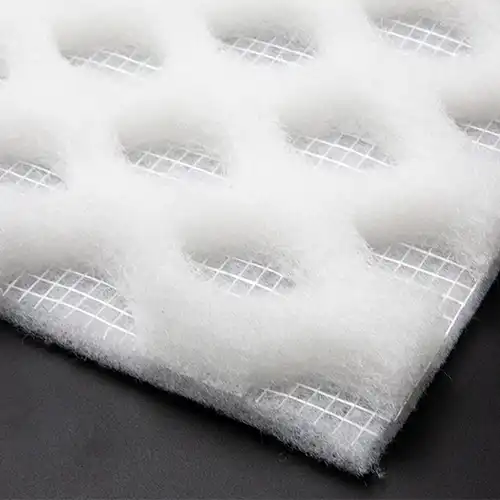
Choosing the right filter media material is crucial for optimal filtration performance across various industries. From air and water purification to industrial processes, the properties of the filter media directly impact efficiency, cost-effectiveness, and overall system reliability. This article provides a detailed overview of different types of filter media materials, their applications, and key considerations for selection. Understanding these materials enables informed decisions for achieving specific filtration goals.
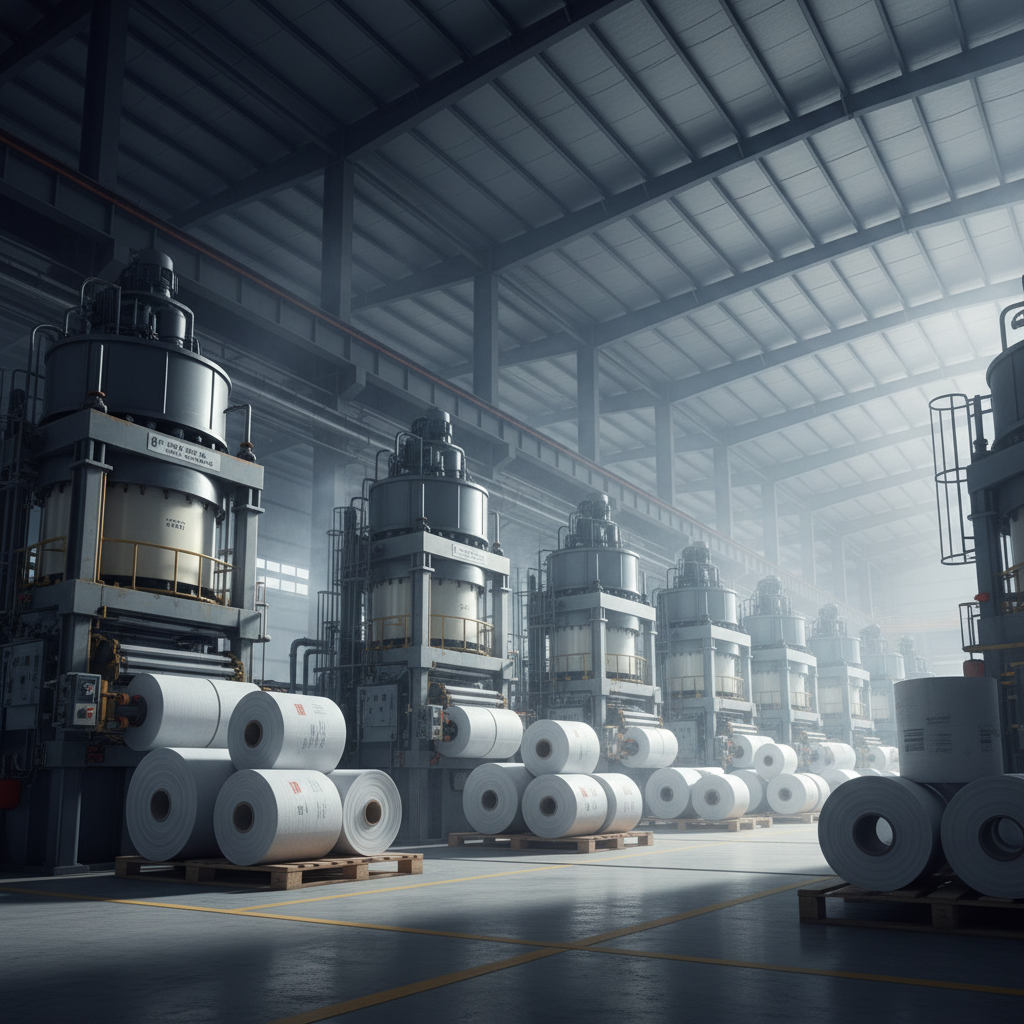
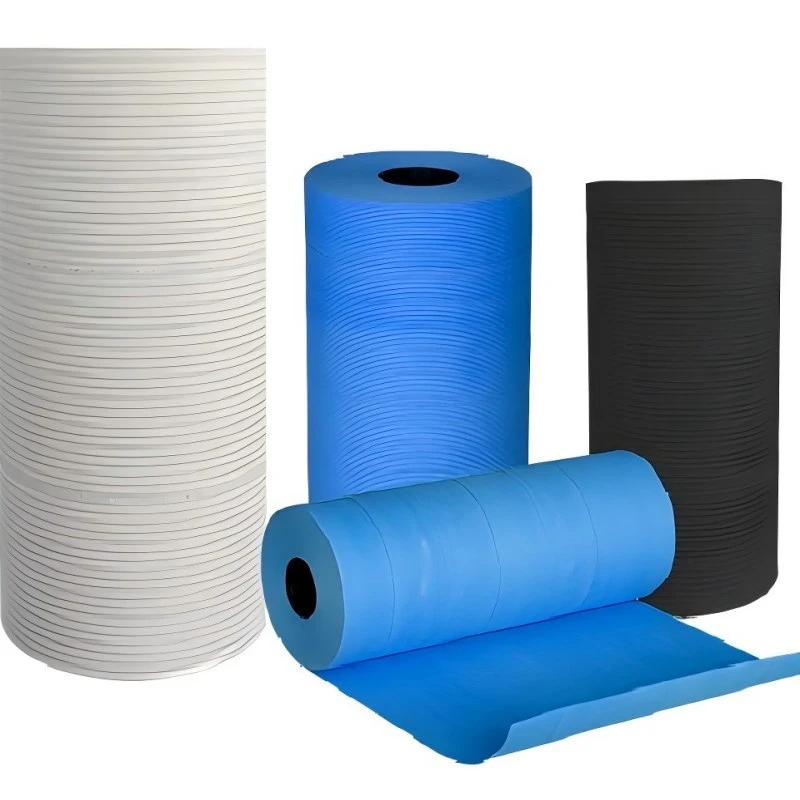
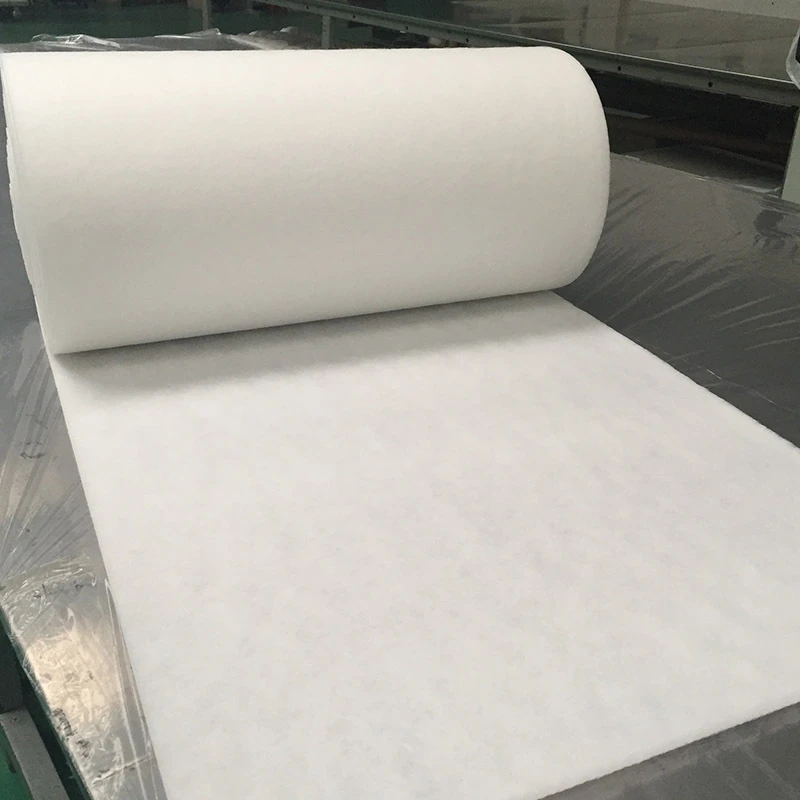
The world of filter media is diverse, with a range of materials each possessing unique characteristics. Some of the most commonly used include: spunbond polypropylene, meltblown polypropylene, polyester, fiberglass, cellulose, and activated carbon. Spunbond polypropylene is often used as a pre-filter due to its low cost and ability to capture larger particles. Meltblown polypropylene excels at capturing finer particles, making it ideal for HVAC systems and medical applications. Polyester offers good chemical resistance and is frequently used in industrial liquid filtration. Fiberglass provides excellent temperature resistance and is common in high-temperature gas filtration. Cellulose is a cost-effective option for water filtration. Finally, activated carbon is renowned for its ability to remove impurities through adsorption, making it crucial in water and air purification.
Key Takeaway: The selection of filter media should align with the specific application requirements, considering factors like particle size, flow rate, temperature, and chemical compatibility.
Spunbond polypropylene is a nonwoven fabric created by extruding molten polypropylene filaments and bonding them together. Its key benefits include its low cost, excellent strength, and good chemical resistance. This material is widely used as a pre-filter to remove larger particles, protecting downstream filters and extending their lifespan. It's also commonly found in agricultural applications, liquid filtration, and as a component in composite filter media. It offers a good balance of performance and affordability.
Spunbond Polypropylene Advantages:
• Low Cost
• Excellent Strength
• Good Chemical Resistance
• Effective Pre-filtration
The selection of the optimal filter media material hinges on a comprehensive evaluation of performance characteristics and associated costs. Some materials offer superior filtration efficiency but come with a higher price tag, while others provide a more economical solution with slightly reduced performance. A careful analysis of these trade-offs is essential for maximizing value and achieving desired filtration outcomes.
The applications of various filter media materials are broad and impactful. In the HVAC industry, materials like meltblown polypropylene and pleated filters are used to improve indoor air quality. In the automotive sector, oil, fuel, and cabin air filters utilize materials like synthetic fibers and cellulose. Water treatment plants rely on activated carbon, sand, and membrane filters to purify water sources. Pharmaceutical and food processing industries demand high-purity filters using materials like PTFE and polypropylene to maintain strict hygiene standards.
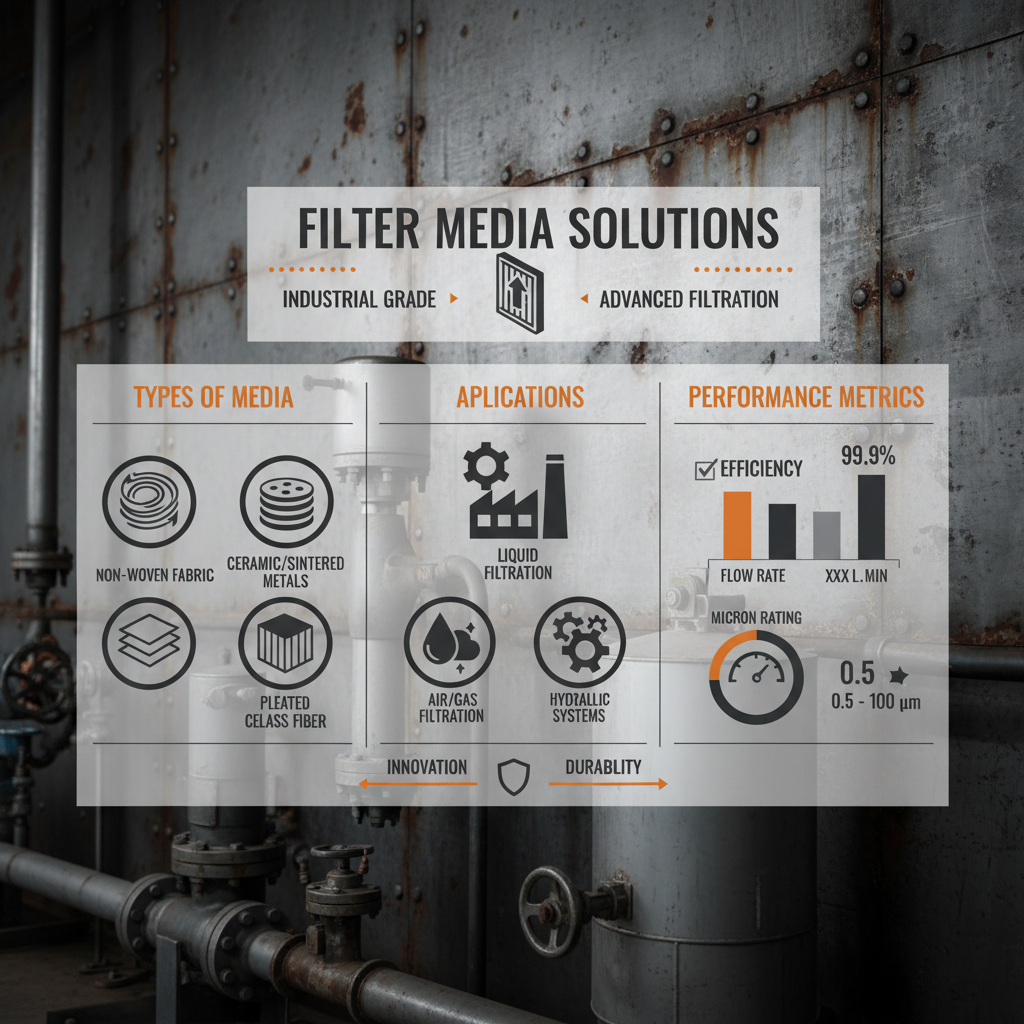
Choosing the appropriate filter media requires careful consideration of several factors. These include the type of contaminant being removed, particle size, flow rate, operating temperature, and chemical compatibility. It’s crucial to assess the specific requirements of the application and select a material that can effectively meet those needs. Also, consider the cost-effectiveness of the material and its long-term performance characteristics. Consulting with a filtration expert can provide valuable guidance in making the optimal selection.
Selecting the right filter media material is paramount for achieving optimal filtration performance, ensuring system efficiency, and reducing operational costs. By understanding the unique characteristics of each material and carefully considering application-specific requirements, you can make informed decisions that drive success. For reliable and high-quality filter media solutions, explore the extensive range offered at FiltersMaterials.com.
Absolute filter ratings indicate the size of particles that the filter will remove with 99.99% efficiency, while nominal filter ratings represent the size of particles that the filter will typically remove, but without a specific efficiency guarantee. An absolute filter removes a higher percentage of a specific particle size compared to a nominal filter. Absolute ratings are often used in applications where precise filtration is critical, like pharmaceutical manufacturing. Nominal ratings are generally used for less demanding applications, such as pre-filtration or general HVAC systems. The choice between absolute and nominal filtration depends on the criticality of removing specific particle sizes in your application.
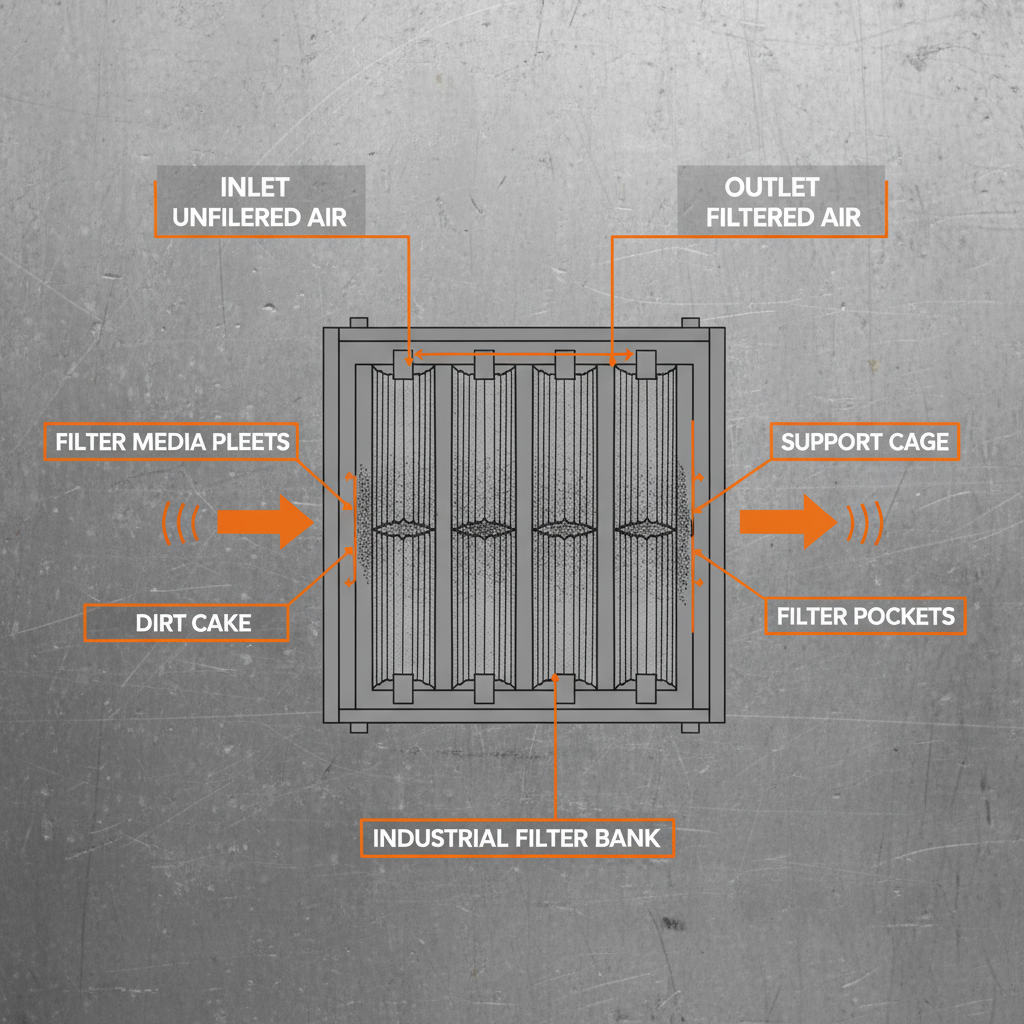
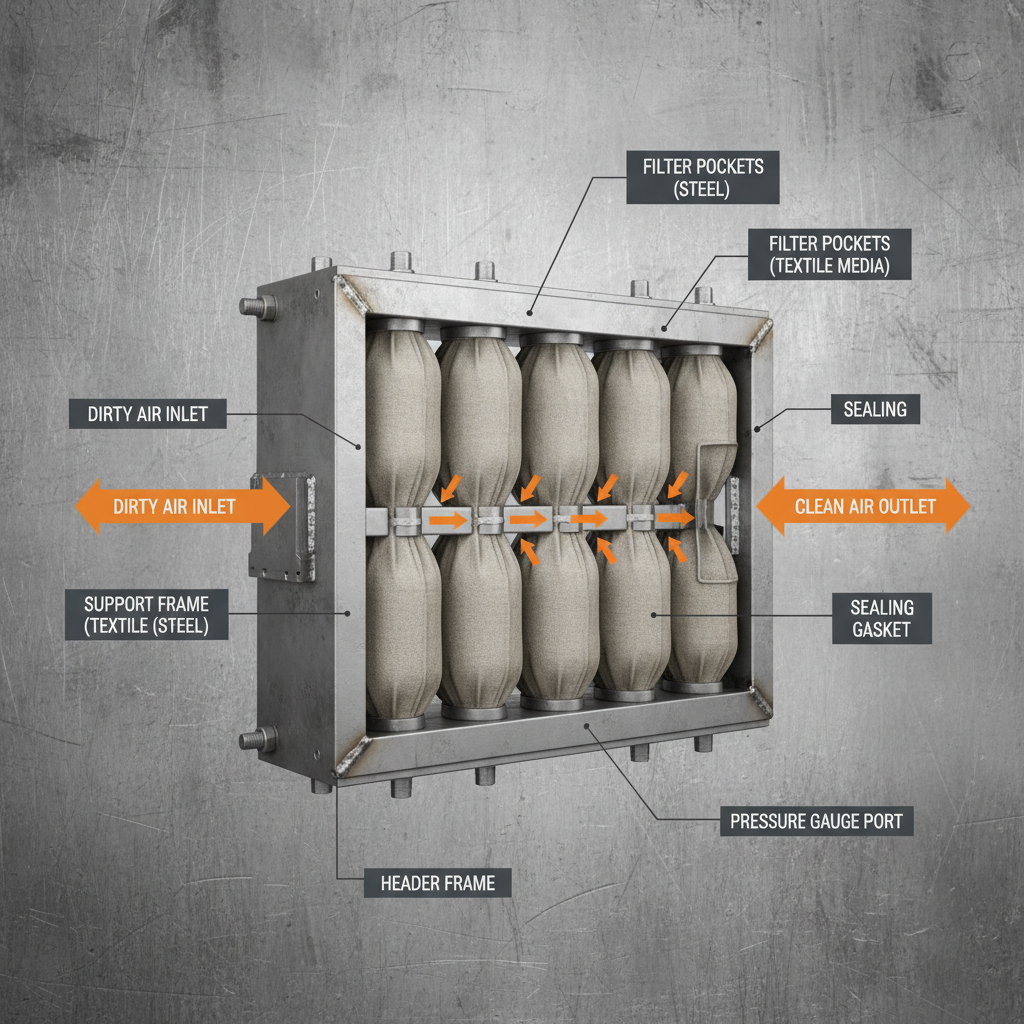
The frequency of filter media replacement depends on several factors, including the type of filter media, the level of contamination, and the flow rate. Regularly monitoring the pressure drop across the filter is a good indicator of when it needs to be replaced. A significant increase in pressure drop indicates that the filter is becoming clogged. As a general guideline, pre-filters should be replaced more frequently than final filters. Following the manufacturer’s recommendations and implementing a preventative maintenance schedule are essential for optimal filter performance and system efficiency.
No, not all filter media materials are compatible with all liquids and gases. Chemical compatibility is a crucial consideration when selecting filter media. Some materials may degrade or dissolve when exposed to certain chemicals, compromising the filter’s performance and potentially contaminating the fluid or gas being filtered. Always check the chemical compatibility chart provided by the filter media manufacturer before using a specific material in a particular application. Using an incompatible material can lead to filter failure, system damage, and safety hazards.
Composite filter media are constructed from multiple layers of different materials, each designed to target specific contaminants or provide different filtration characteristics. For example, a composite filter might combine a pre-filter layer of spunbond polypropylene to remove large particles with a layer of meltblown polypropylene to capture finer particles and a layer of activated carbon to remove odors and organic compounds. This approach allows for enhanced filtration performance and extended filter life compared to using a single-layer filter.