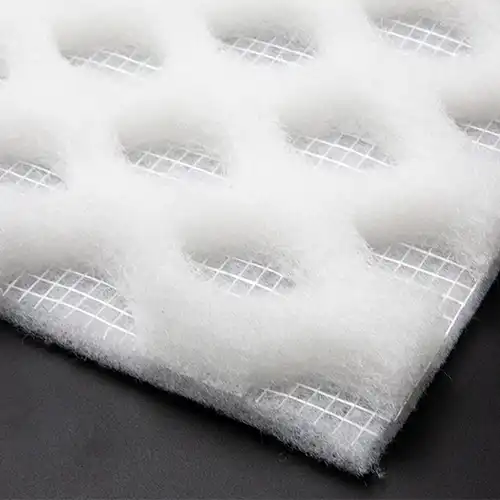
Pocket filter media are a crucial component in many industrial and commercial HVAC systems. They offer an efficient and cost-effective solution for pre-filtration, protecting more expensive downstream filters and extending the lifespan of the overall system. This article provides a detailed overview of pocket filter media, covering their construction, applications, benefits, and how to choose the right media for your specific needs. Ensuring optimal air quality requires understanding the role these filters play in maintaining system performance.
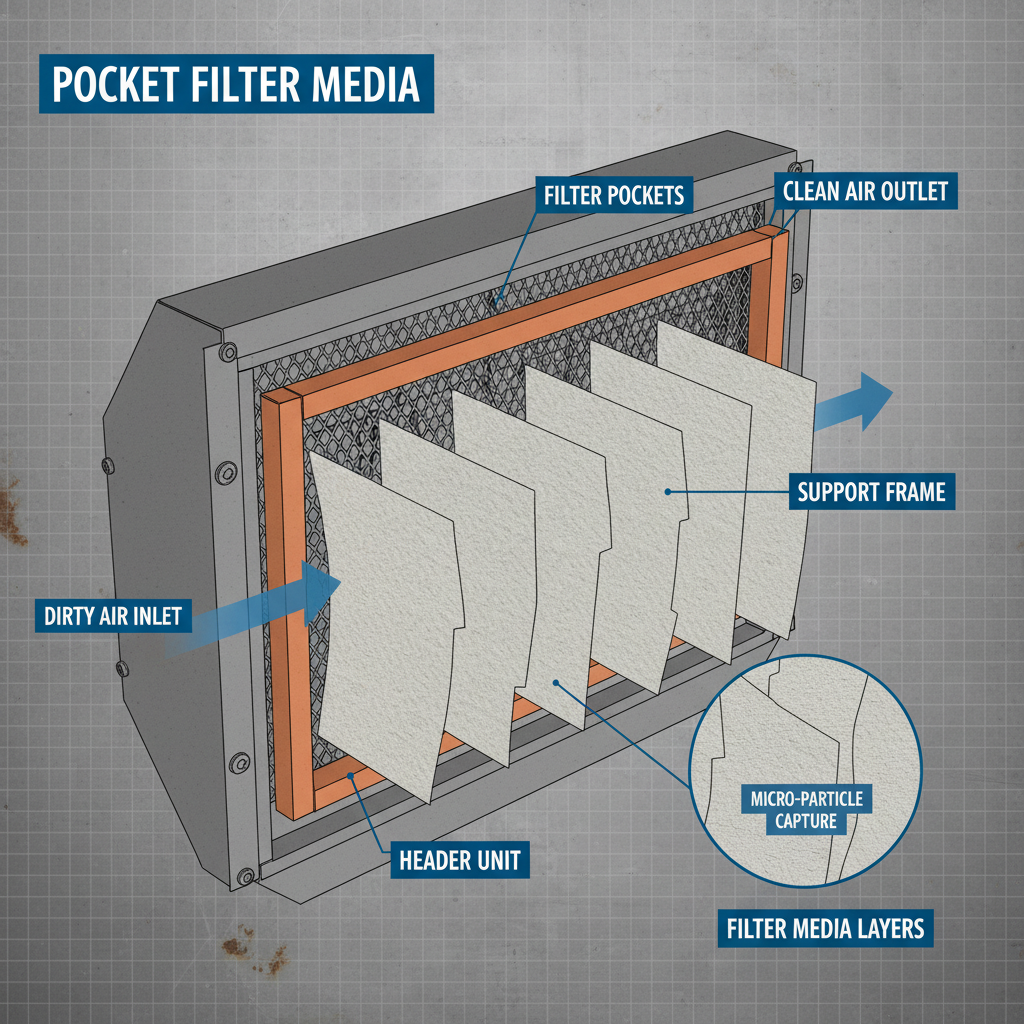
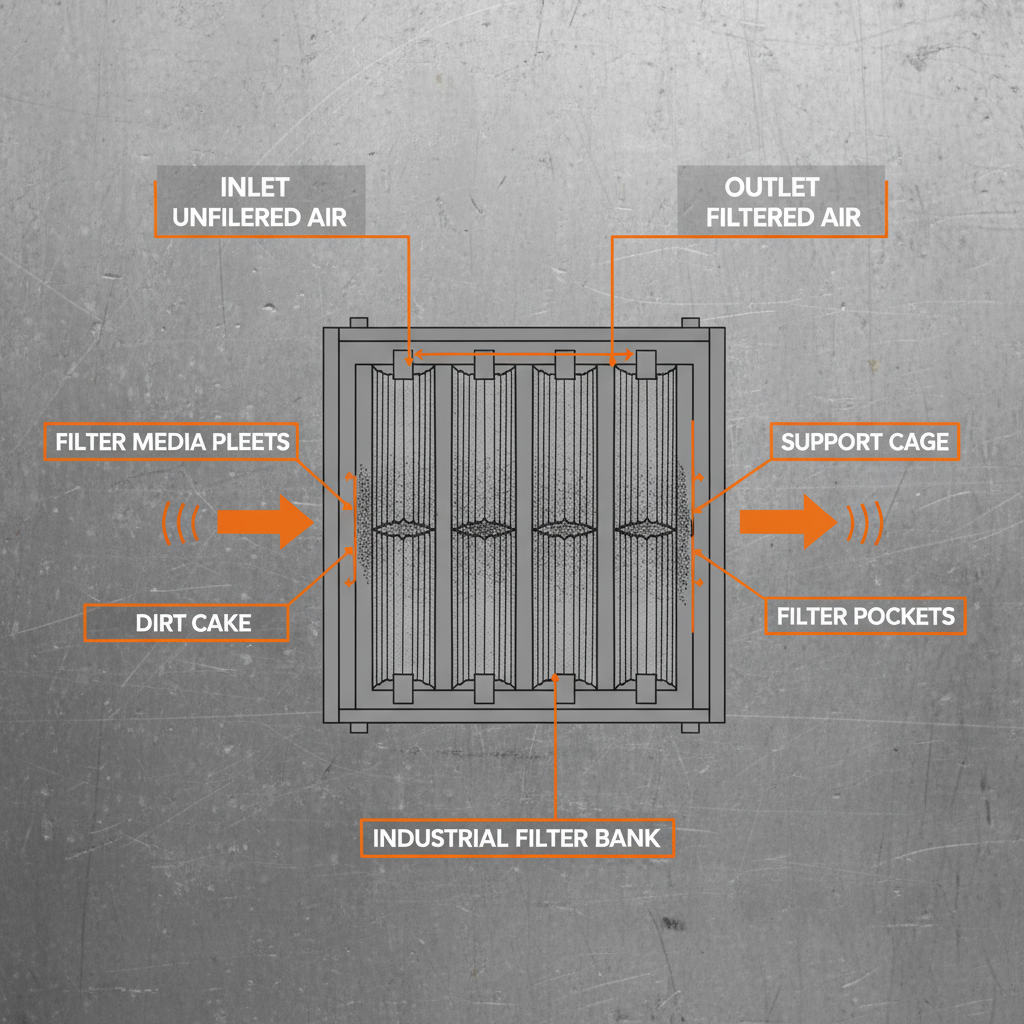
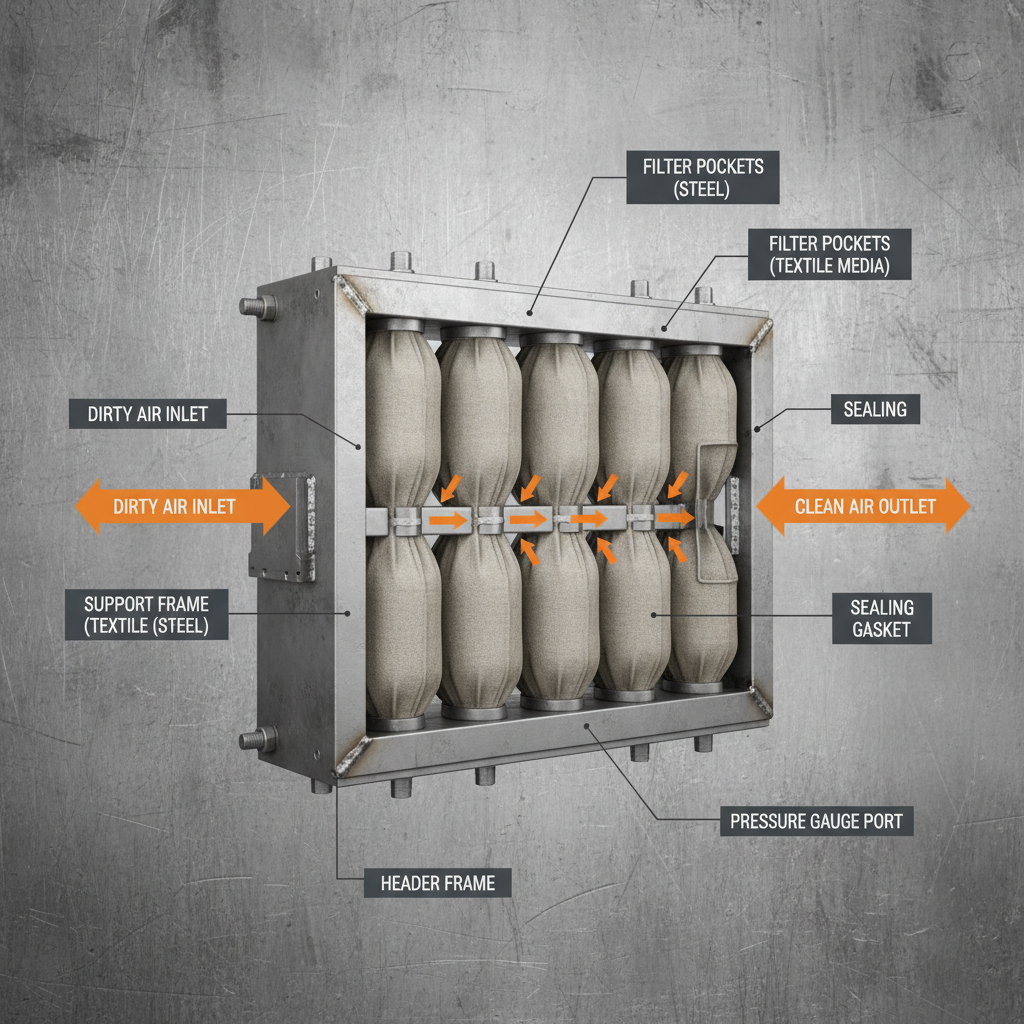
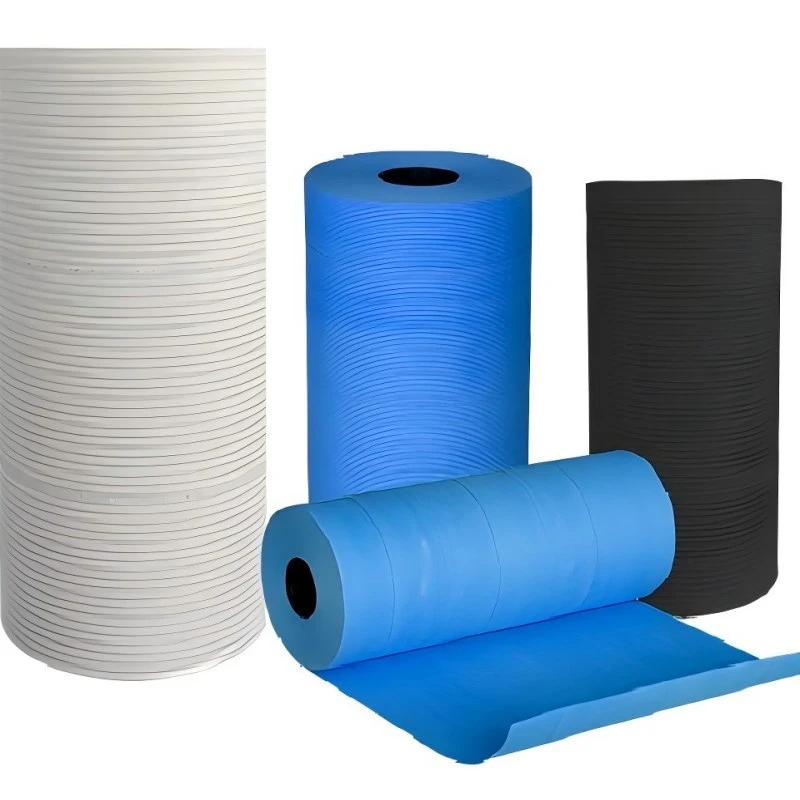
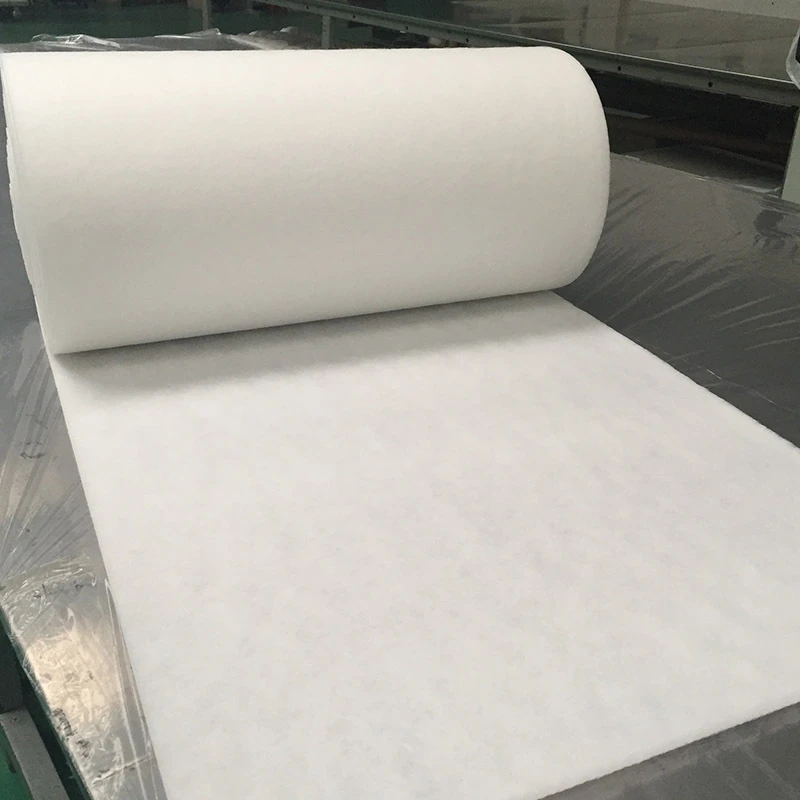
Pocket filters are constructed from a layered arrangement of non-woven synthetic fibers, typically polyester or polypropylene. These fibers are formed into individual pockets, creating a large surface area for capturing airborne particles. The pockets are sewn or ultrasonically bonded to a supporting frame, providing structural integrity. This design allows for high dust-holding capacity and relatively low airflow resistance, making them ideal for pre-filtration applications. Pocket filters effectively remove larger particles, safeguarding more sensitive and costly filters like HEPA filters from premature clogging.
Key Highlights: High dust-holding capacity, low airflow resistance, and cost-effective pre-filtration solution. Constructed with durable synthetic fibers.
Pocket filters find wide application across various industries, including HVAC systems in commercial buildings, industrial manufacturing plants, hospitals, data centers, and power generation facilities. They are commonly used as a first stage of filtration to remove larger dust particles, pollen, lint, and other debris. They are particularly valuable in environments where maintaining clean air is critical for process efficiency, product quality, or human health. Utilizing pocket filter media helps to improve indoor air quality and reduce maintenance costs associated with downstream filters.
Common Applications:
• Commercial HVAC systems
• Industrial pre-filtration
• Hospitals and healthcare facilities
• Data centers
Pocket filters are categorized by their Minimum Efficiency Reporting Value (MERV) rating. This rating indicates the filter's ability to capture particles of different sizes. Higher MERV ratings signify greater efficiency in removing smaller particles. Common MERV ratings for pocket filters range from MERV 8 to MERV 13. The choice of MERV rating depends on the specific application and the level of air quality required. Different types of pocket filters include standard polyester filters, synthetic fiber blends for increased efficiency, and filters with antimicrobial treatments to inhibit the growth of mold and bacteria. Choosing the correct type of pocket filter media is vital to system longevity.
Utilizing pocket filter media offers several key benefits. Firstly, they provide excellent dust-holding capacity, reducing the frequency of filter replacements and lowering maintenance costs. Secondly, their low airflow resistance minimizes the strain on HVAC systems, improving energy efficiency. Thirdly, they protect more expensive downstream filters, extending their lifespan and reducing overall filtration costs. Finally, their relatively low initial cost makes them a cost-effective solution for many applications. Regularly replacing your pocket filter media is key to ensuring peak system efficiency.
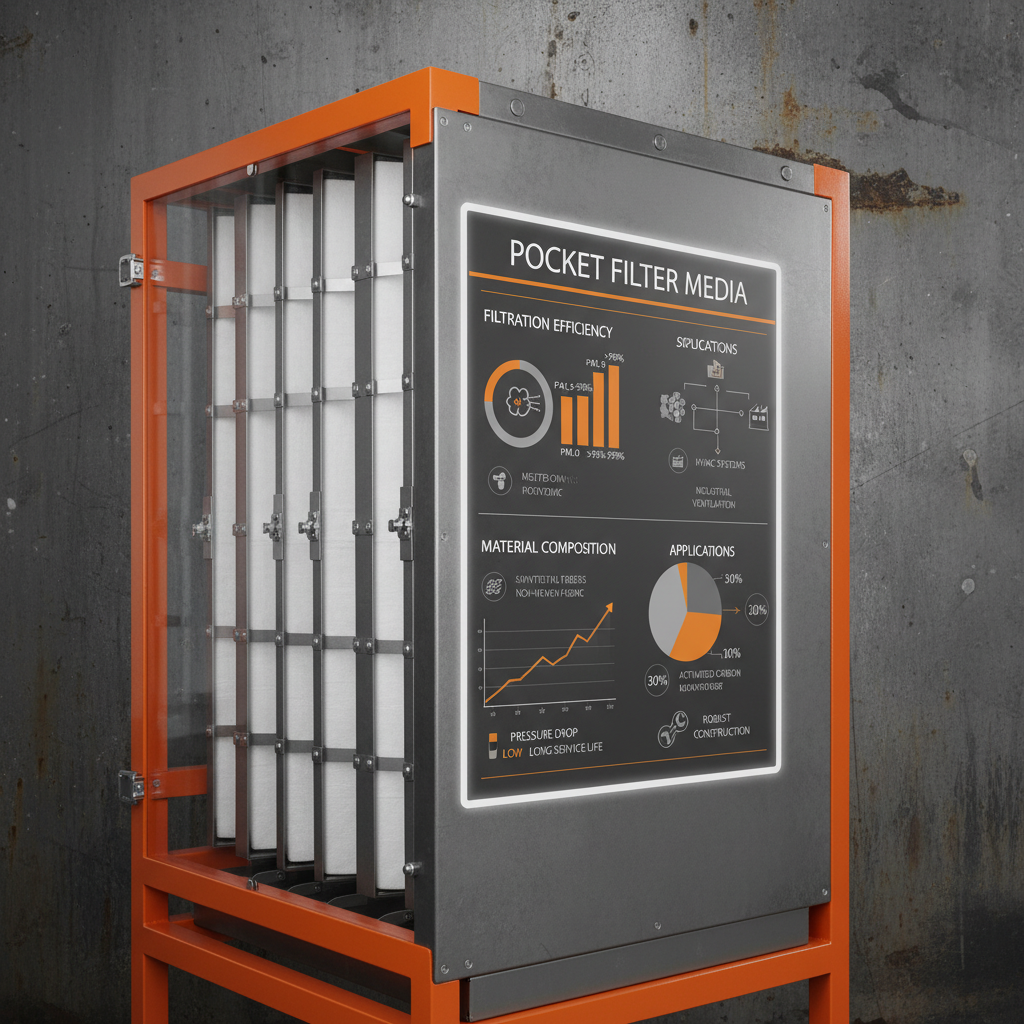
Selecting the appropriate pocket filter media requires careful consideration of several factors. First, assess the specific application and the type of contaminants present. Second, determine the required MERV rating based on the desired level of air quality. Third, consider the airflow requirements of the HVAC system. Fourth, evaluate the environmental conditions, such as temperature and humidity. Finally, choose a reputable supplier like FiltersMaterials to ensure consistent quality and performance.
Pocket filter media are an essential component of effective air filtration systems. By understanding their construction, applications, and benefits, you can make informed decisions to optimize air quality, reduce maintenance costs, and protect valuable equipment. Investing in high-quality pocket filter media from a trusted supplier is a crucial step towards maintaining a healthy and efficient environment.
The replacement frequency of pocket filters depends on the operating environment and the level of contamination. As a general guideline, filters should be inspected monthly and replaced when they appear visibly dirty or when the pressure drop across the filter exceeds the manufacturer's recommendations. In heavily contaminated environments, more frequent replacements may be necessary. Regular monitoring of pressure drop is crucial for maintaining optimal system performance.
Polyester filters are generally more cost-effective and offer good performance in standard applications. Polypropylene filters, on the other hand, exhibit better resistance to moisture and chemicals, making them suitable for more challenging environments. Polypropylene also tends to have a slightly higher efficiency rating. The choice between the two depends on the specific requirements of the application.
While some filters can be cleaned, it’s generally not recommended to wash and reuse pocket filters. Washing can damage the filter media, reducing its efficiency and potentially releasing trapped contaminants back into the air stream. Furthermore, the cleaning process itself can be time-consuming and costly. It is more cost-effective and reliable to simply replace disposable pocket filters.
A high-pressure drop across a pocket filter indicates that the filter is becoming clogged with contaminants. This restricts airflow and increases the energy consumption of the HVAC system. The pressure drop can also be caused by using a filter with too high a MERV rating for the application or by improper installation. Regular inspection and timely replacement of filters are essential to prevent excessive pressure drop.