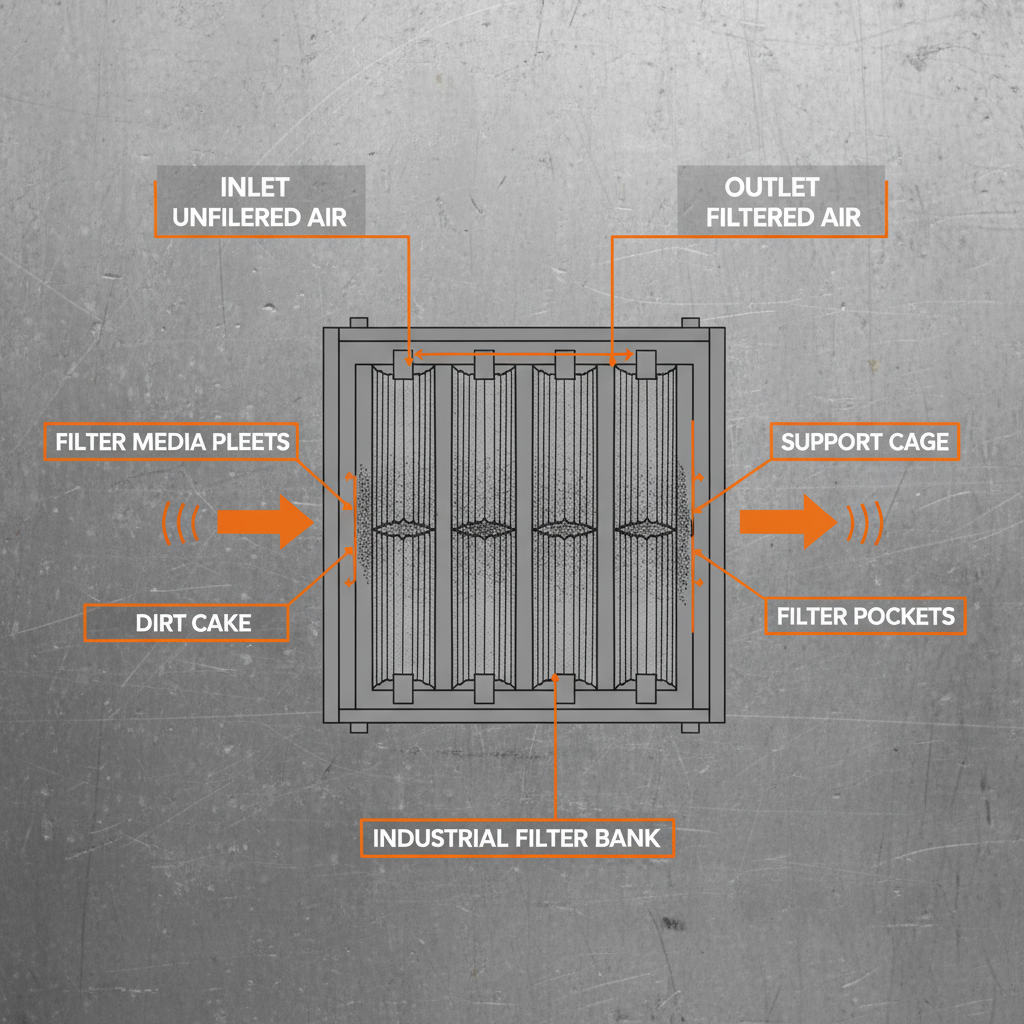
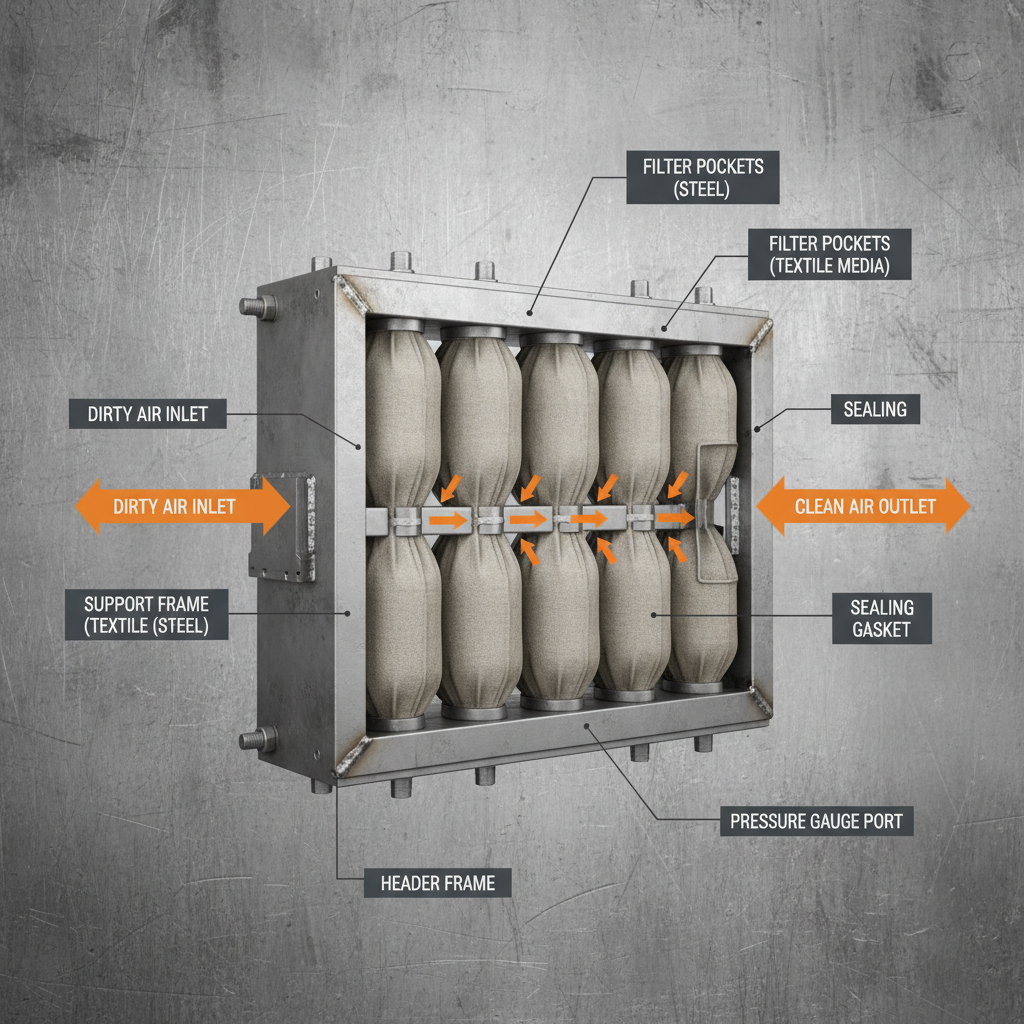
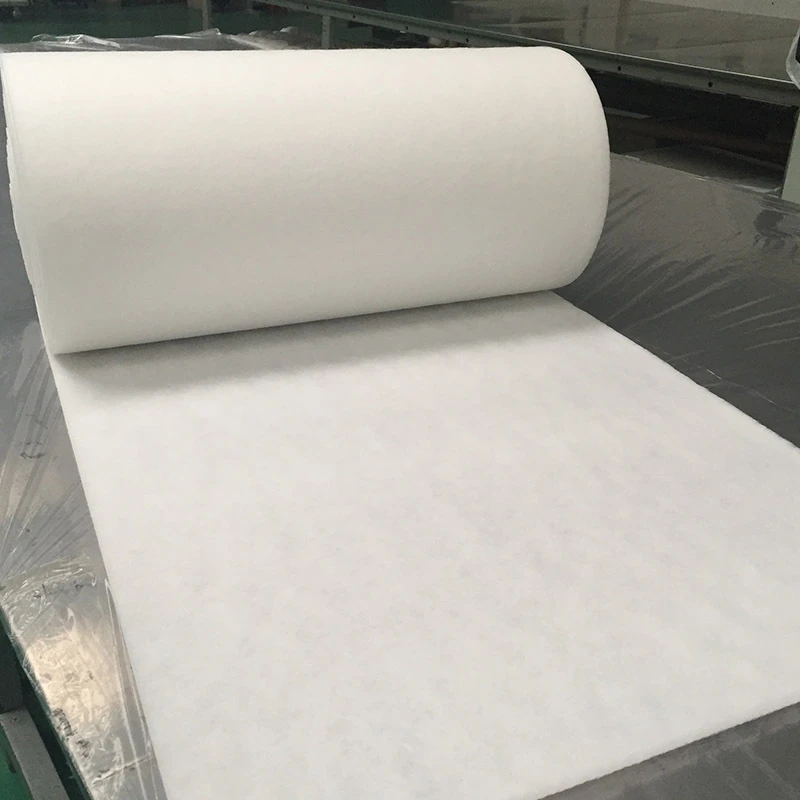
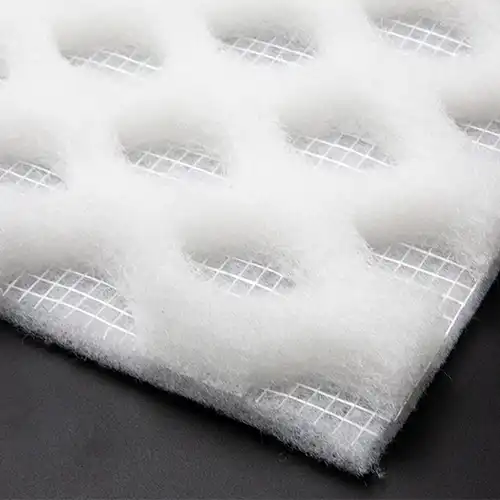
In today’s world, maintaining clean air is crucial, and HEPA filter rolls are a cornerstone of effective air purification. These rolls offer a versatile solution for various applications, from HVAC systems to cleanrooms. This article provides an in-depth look at HEPA filter rolls, covering their features, benefits, applications, and how to choose the right one for your needs. Ensuring optimal air quality relies on understanding the nuances of this essential filtration technology.
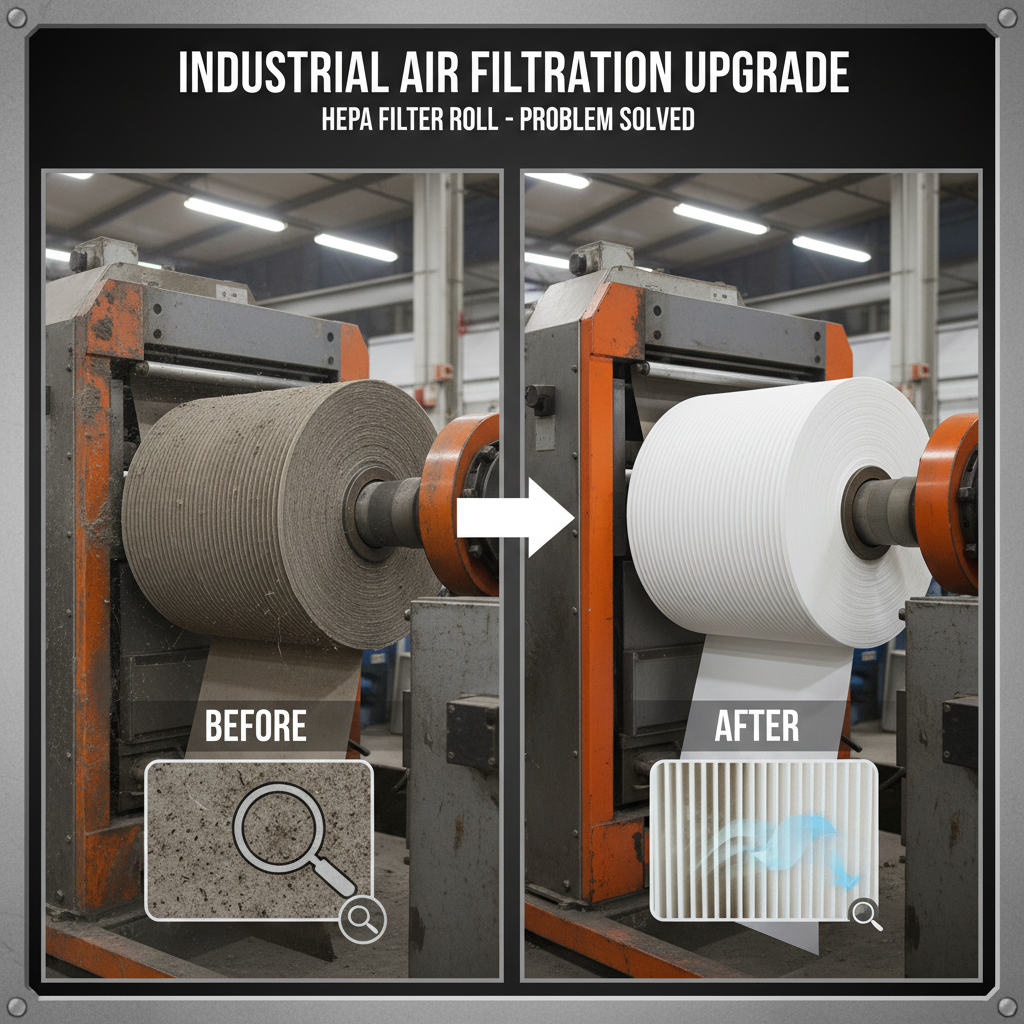
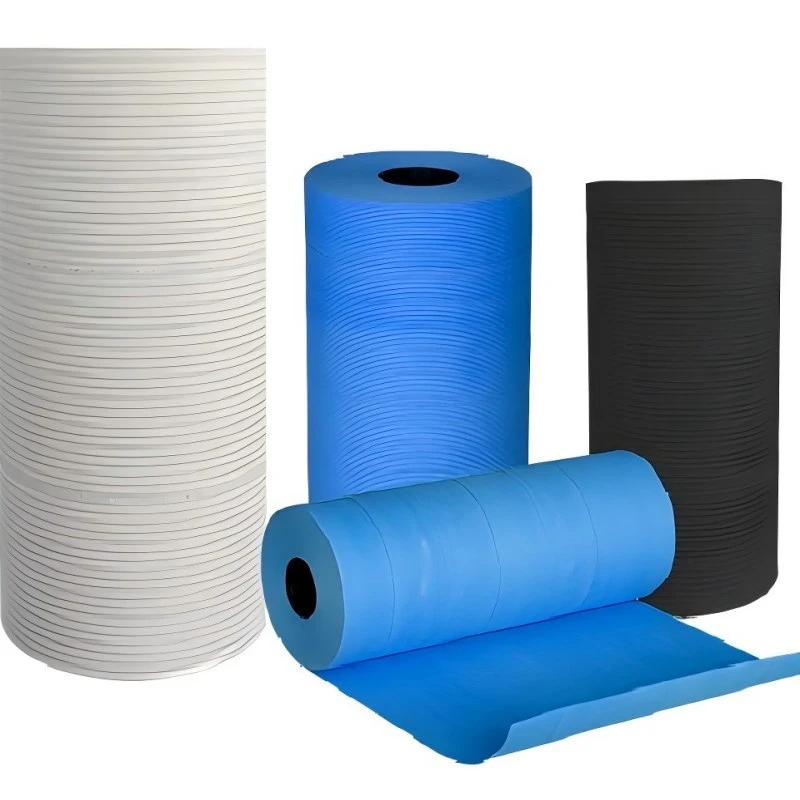
A HEPA (High-Efficiency Particulate Air) filter roll is composed of a tightly woven material designed to capture at least 99.97% of particles 0.3 microns in diameter. This efficiency makes them ideal for removing dust, pollen, mold, bacteria, and viruses from the air. Unlike traditional filters that come in fixed sizes, HEPA filter rolls allow for customization – they can be cut to fit various filter frames and systems. This flexibility is particularly valuable for unique or irregularly shaped applications. The material is typically made of fiberglass or synthetic fibers, ensuring both durability and high filtration performance. Filtersmaterials.com offers a range of high-quality HEPA filter rolls for diverse needs.
Key Highlights: HEPA filter rolls offer customizable filtration solutions, capturing 99.97% of particles 0.3 microns in size, making them critical for maintaining clean air environments.
The versatility of HEPA filter rolls allows them to be used across a wide spectrum of industries and applications. In HVAC systems, they enhance indoor air quality, reducing allergens and pollutants. Cleanrooms, such as those in pharmaceutical and semiconductor manufacturing, rely on HEPA filters to maintain sterile environments. They are also commonly used in air purifiers for homes and offices, providing relief from respiratory issues and improving overall air quality. Moreover, HEPA filter rolls find applications in hospitals, laboratories, and food processing facilities, where maintaining a clean and safe atmosphere is paramount.
Common Applications:
• HVAC Systems
• Cleanrooms
• Air Purifiers
• Hospitals & Laboratories
Selecting the appropriate HEPA filter roll involves considering several factors. The first is the filter's efficiency rating – ensure it meets or exceeds the required 99.97% efficiency for particle capture. Next, consider the material – fiberglass is cost-effective, while synthetic fibers offer better moisture resistance. The roll's width and length should be suitable for your application and system requirements. Finally, check the pressure drop rating, which indicates the resistance to airflow. Lower pressure drops minimize energy consumption. Filtersmaterials.com provides detailed specifications and expert guidance to help you make the best choice.
Regular maintenance is crucial for optimal performance. The frequency of replacement depends on usage and the level of contamination. Generally, HEPA filter rolls should be replaced every 6-12 months, or sooner in heavily polluted environments. Monitor the pressure drop – a significant increase indicates a clogged filter. When replacing, always follow safety precautions and dispose of the used filter properly. Inspect the filter housing for any damage or leaks and address them before installing a new filter.
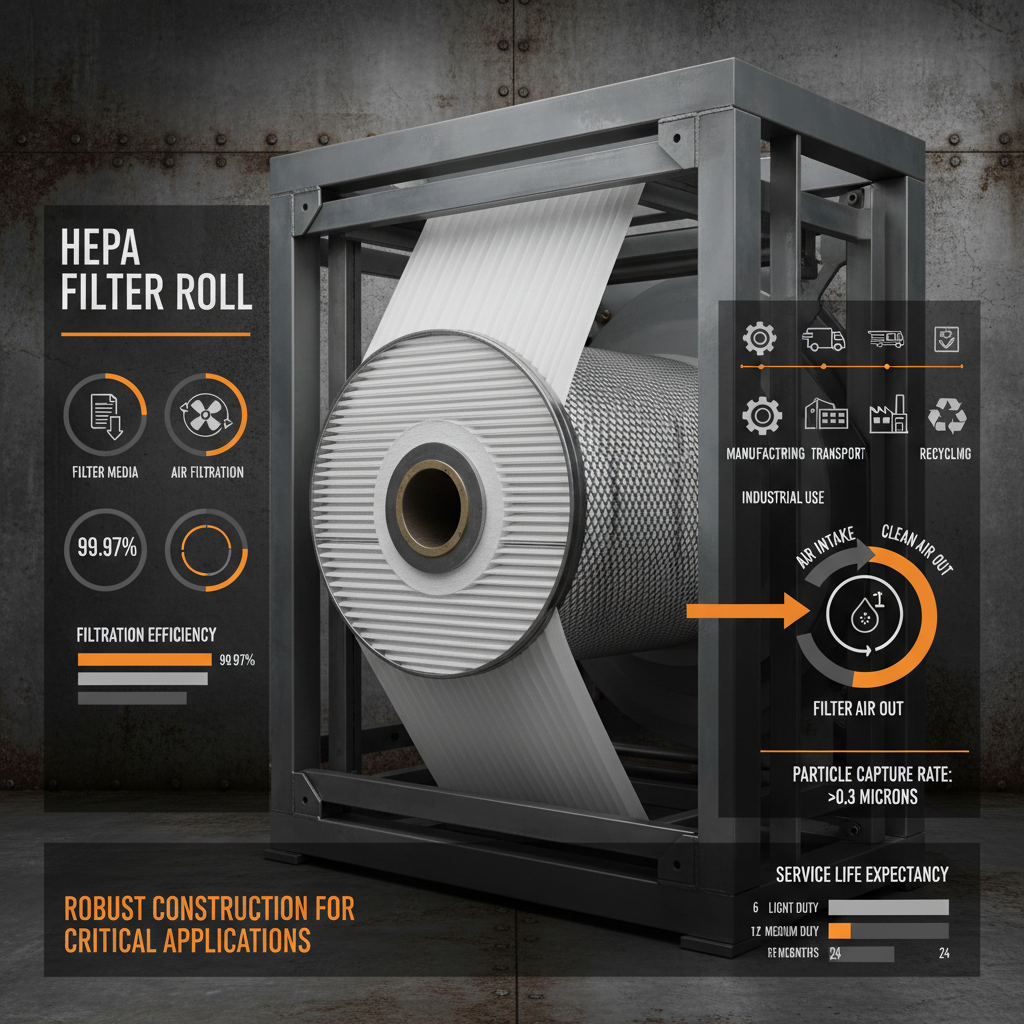
Investing in high-quality HEPA filter rolls offers numerous benefits. Improved air quality leads to better respiratory health and reduced allergy symptoms. In industrial settings, it protects sensitive equipment and processes from contamination. Enhanced indoor air quality also improves employee productivity and comfort. Finally, HEPA filtration helps create a healthier and safer environment for everyone.
Investing in HEPA filter rolls is a proactive step towards maintaining optimal air quality. With their customizable nature, high efficiency, and broad range of applications, they are an essential component of any comprehensive air purification strategy. Choose Filtersmaterials.com for reliable, high-performance HEPA filter solutions.
The replacement frequency depends on various factors including usage, air quality, and filter type. As a general guideline, replace your HEPA filter roll every 6-12 months. However, in environments with high levels of dust, pollen, or other airborne particles, more frequent replacement may be necessary. Monitoring the pressure drop across the filter is a useful indicator – a significant increase signifies that the filter is becoming clogged and needs to be replaced. Inspecting the filter visually for signs of dirt or damage is also recommended. Regularly replacing your HEPA filter roll ensures optimal air purification performance.
HEPA (High-Efficiency Particulate Air) and MERV (Minimum Efficiency Reporting Value) are both ratings for air filters, but they measure different things. MERV ratings range from 1 to 20, indicating a filter’s ability to capture particles of different sizes. HEPA filters, on the other hand, have a specific efficiency standard – they must capture at least 99.97% of particles 0.3 microns in diameter. A HEPA filter is essentially a very high-rated MERV filter. While MERV 16 or higher filters can capture a significant amount of airborne particles, they don't meet the strict efficiency requirements of a true HEPA filter.
Yes, HEPA filter rolls are highly recommended for individuals with allergies. Their ability to capture 99.97% of airborne particles, including pollen, dust mites, pet dander, and mold spores, makes them exceptionally effective at reducing allergens in indoor air. By removing these allergens, HEPA filters can significantly alleviate allergy symptoms such as sneezing, coughing, and itchy eyes. Using a HEPA filter roll in an air purifier or HVAC system can create a healthier and more comfortable environment for allergy sufferers.
No, HEPA filter rolls are not designed to be washed or reused. The tightly woven fibers that make them so effective at capturing particles are easily damaged by washing, reducing their filtration efficiency. Attempting to clean a HEPA filter can also release trapped particles back into the air, defeating its purpose. HEPA filters are intended to be disposable and should be replaced according to the manufacturer's recommendations. Using a dirty or damaged HEPA filter can compromise air quality and potentially harm your health.