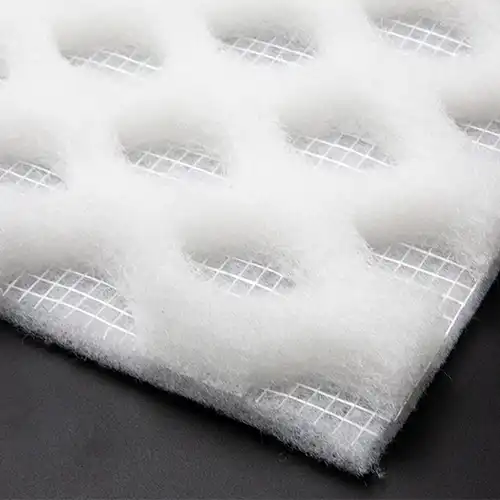
Nonwoven fabrics are increasingly vital across numerous industries, offering versatility and cost-effectiveness. From medical applications to agriculture and industrial uses, their unique properties make them ideal for a wide range of applications. This article will explore the characteristics, manufacturing processes, applications, and benefits of nonwoven fabric, offering insights for businesses and individuals alike. Understanding these fabrics is crucial for choosing the right materials for your specific needs.
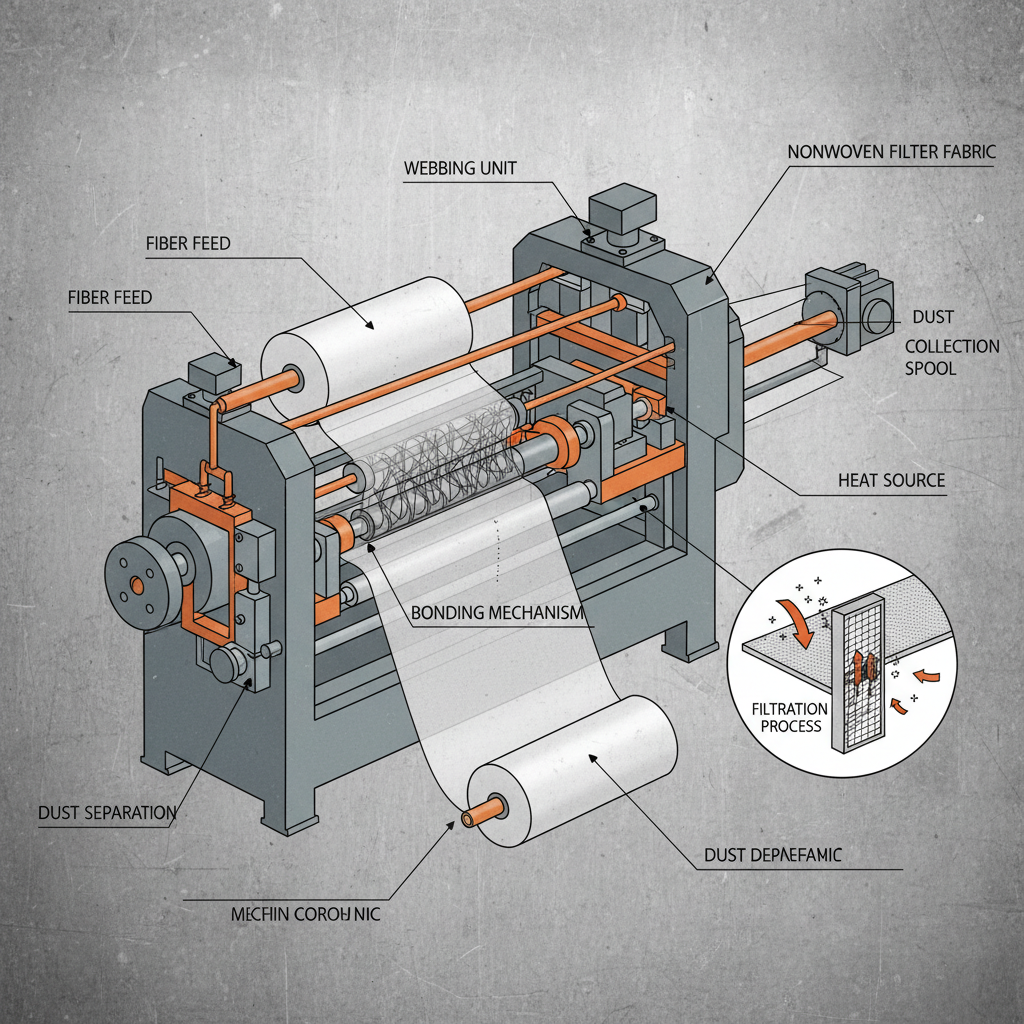
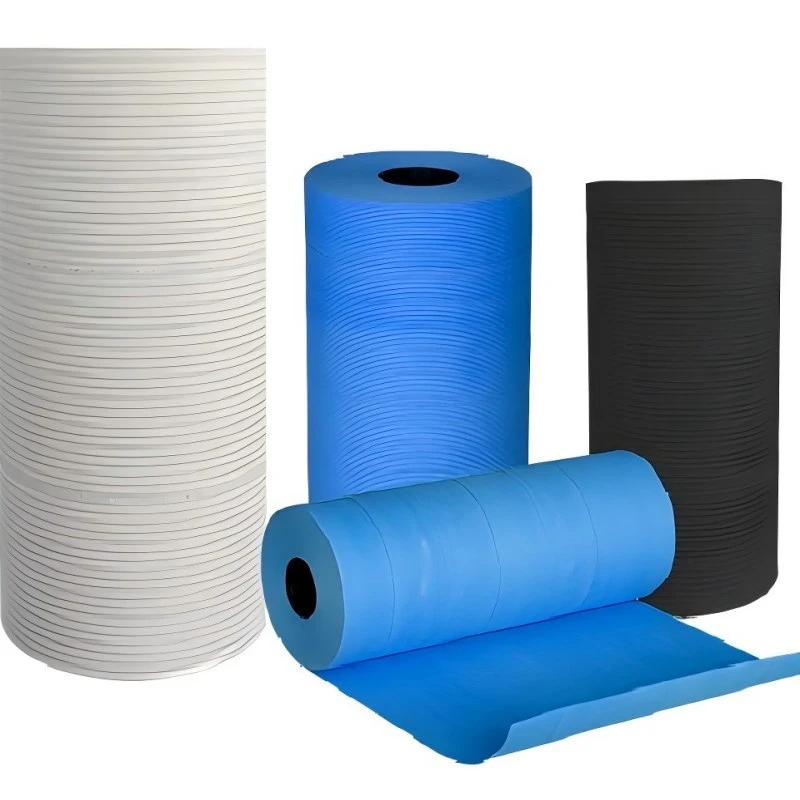
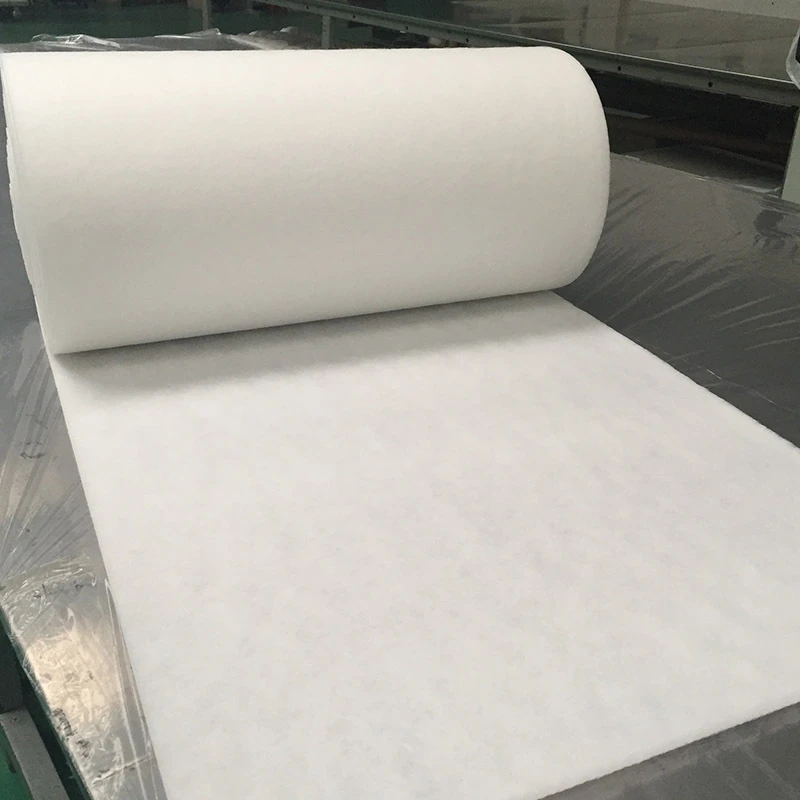
Unlike woven or knitted fabrics, nonwoven fabrics are produced by bonding fibers together through mechanical, chemical, thermal, or a combination of these processes. This creates a material with unique characteristics, including excellent drape, high strength-to-weight ratio, and breathability. The fibers used can be natural (like cotton, wool, silk) or synthetic (like polypropylene, polyester, rayon). The absence of a traditional weave contributes to its lower cost and versatility. They are engineered to have specific properties depending on the intended use, making them adaptable for diverse industries.
Key Highlights: Produced by bonding fibers together without weaving or knitting, offering versatility, cost-effectiveness, and tailored properties.
Several methods are used to create nonwoven fabrics. Some of the most common include: spunbonding, meltblowing, needle punching, and thermal bonding. Spunbonding involves extruding melted polymer filaments and laying them down in a web, then bonding them. Meltblowing uses a similar process but creates finer fibers for filtration applications. Needle punching mechanically interlocks fibers using barbed needles. Thermal bonding uses heat to fuse fibers together. Each process results in a fabric with slightly different properties, making them suitable for different applications.
Manufacturing Process Benefits:
• Allows for customized fabric properties.
• Cost-effective production.
• High production speeds.
• Wide range of fiber options.
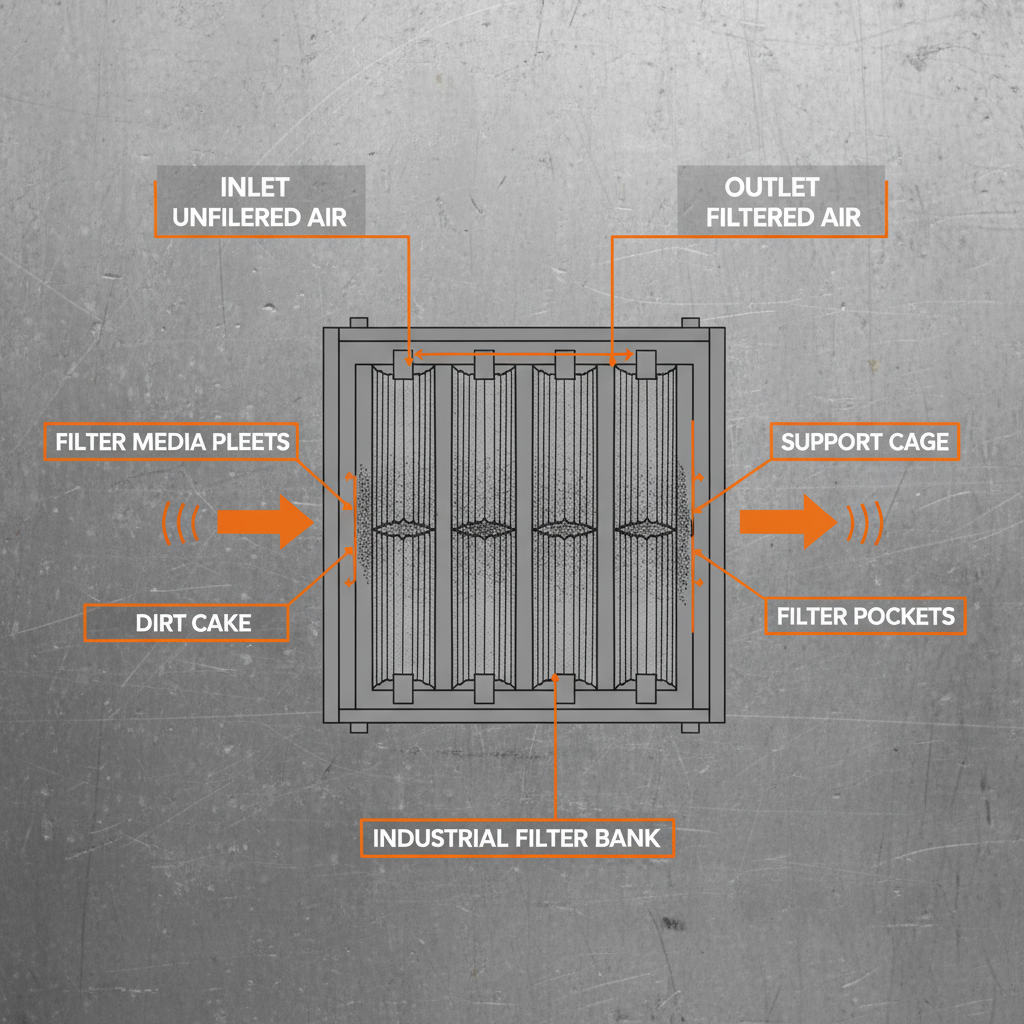
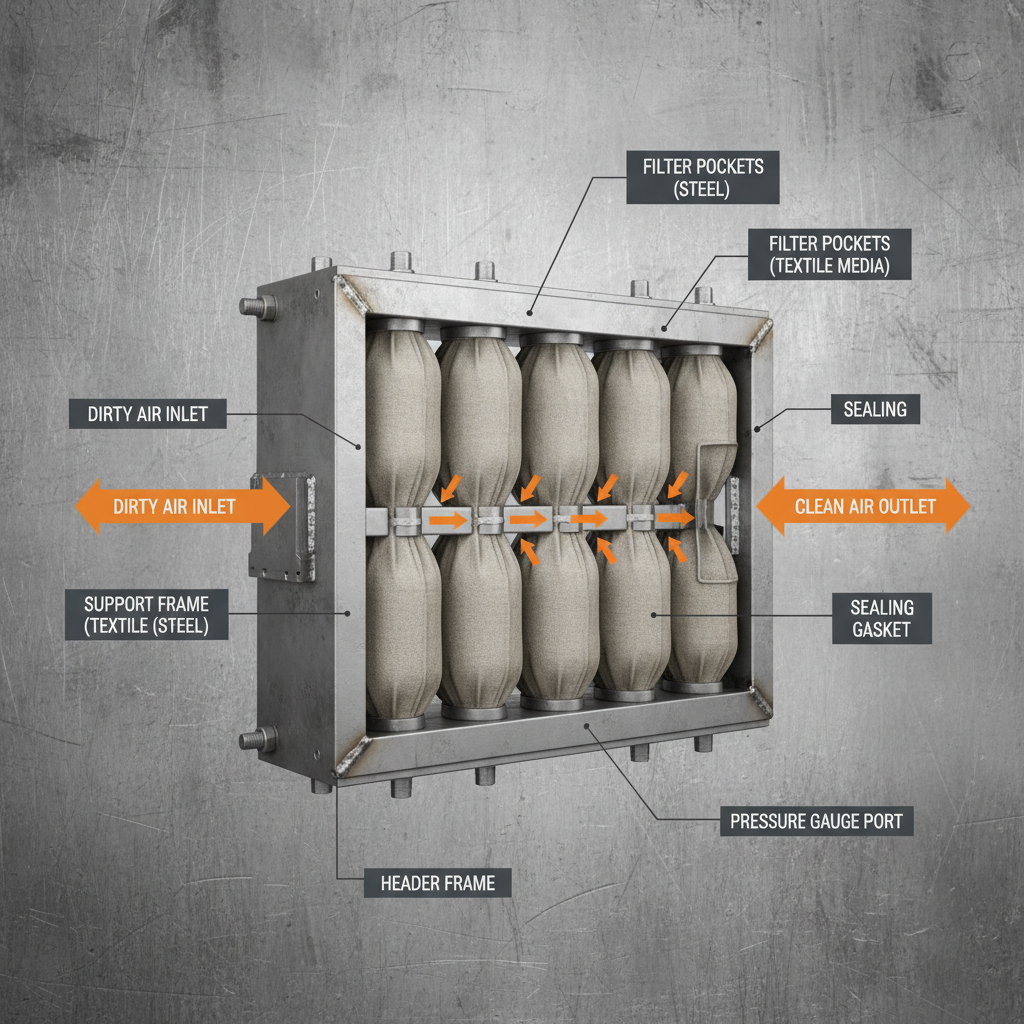
The applications for nonwoven fabrics are vast and continue to grow. Major uses include: medical gowns and drapes, face masks, diapers, feminine hygiene products, filtration systems (air and liquid), agriculture (crop covers, weed control), geotextiles (soil stabilization), and industrial wipes. The versatility of the material allows it to be tailored to specific needs, such as providing barrier properties in medical applications or strength and durability in geotextiles. Filters Materials specializes in high-quality nonwoven fabrics for filtration and industrial applications.
Nonwoven fabrics offer numerous advantages over traditional textiles. These include lower production costs, lightweight nature, excellent strength, liquid repellency, and breathability. They are also highly versatile, allowing for customization to meet specific requirements. Furthermore, many nonwoven fabrics are recyclable, contributing to sustainable practices. The ability to engineer specific properties makes them ideal for high-performance applications where traditional fabrics fall short.
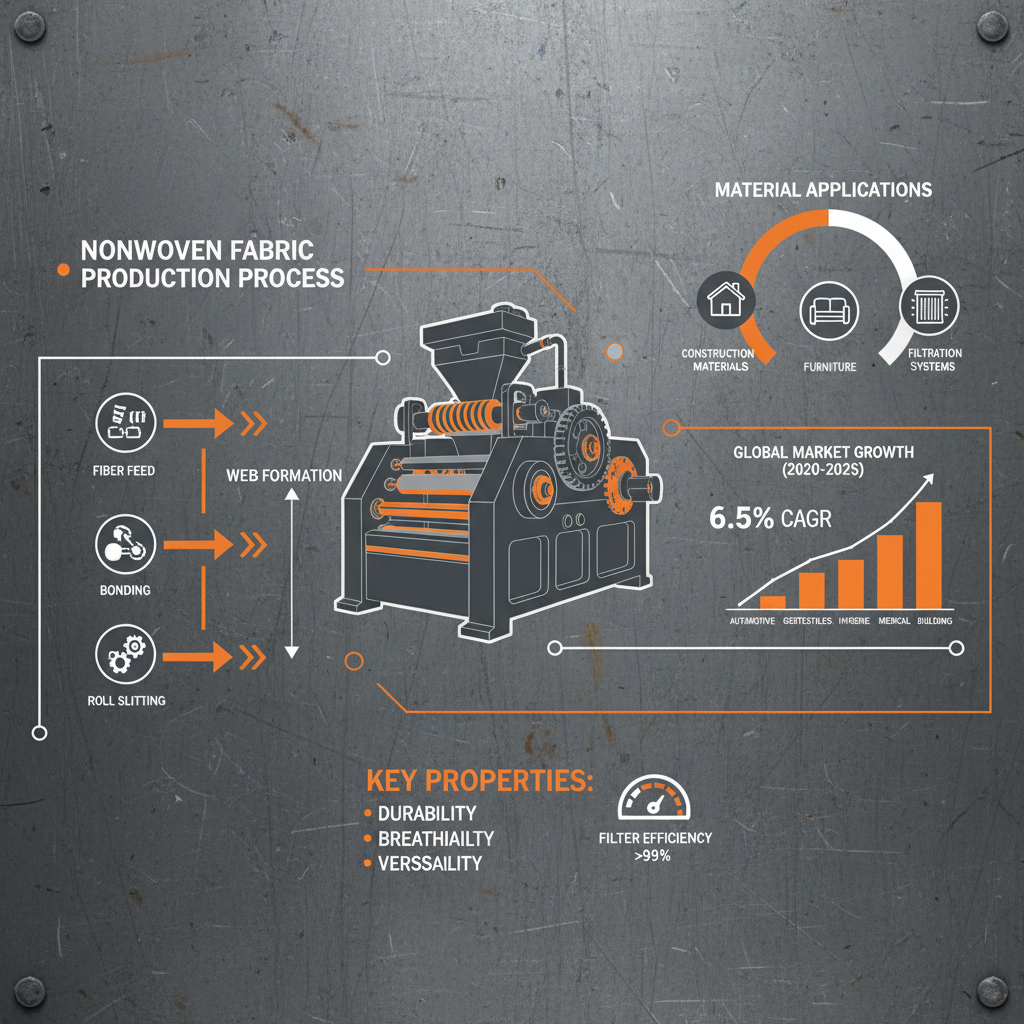
The nonwoven fabrics industry continues to innovate, with ongoing research focused on developing more sustainable materials, improving production efficiency, and expanding applications. Bio-based and biodegradable nonwovens are gaining prominence as demand for eco-friendly products grows. Advancements in nanotechnology are also enabling the creation of nonwovens with enhanced properties, such as increased barrier performance and antimicrobial capabilities. Filters Materials is committed to staying at the forefront of these developments, providing our customers with cutting-edge nonwoven solutions.
Nonwoven fabrics are essential materials in numerous industries, offering a unique combination of performance, cost-effectiveness, and versatility. Understanding their properties and applications is crucial for making informed decisions. By choosing high-quality nonwoven fabric from a reliable supplier, businesses can optimize their products and processes while embracing sustainable practices.
Woven fabrics are created by interlacing two sets of yarns at right angles, resulting in a strong, durable material. Knitted fabrics are made by interlooping yarns, providing stretch and flexibility. Nonwoven fabrics, however, are bonded together without weaving or knitting, offering a different set of properties. Nonwovens are generally less expensive to produce and can be engineered for specific applications where strength or drape aren't paramount. The manufacturing processes and resulting characteristics make each fabric type suitable for distinct purposes.
The recyclability of nonwoven fabrics depends on the fiber content and the bonding process used. Some nonwovens, particularly those made from 100% polypropylene or polyester, can be recycled. However, mixed-fiber nonwovens or those bonded with adhesives may be more difficult to recycle. Ongoing research is focused on developing more easily recyclable and biodegradable nonwoven materials to reduce environmental impact. Check with local recycling facilities for specific guidelines.
Nonwoven fabrics are widely used in the medical industry due to their barrier properties, breathability, and cost-effectiveness. Common applications include surgical gowns, drapes, masks, sterilization wraps, and wound dressings. They provide a crucial protective barrier against contamination and infection, ensuring a safe environment for both patients and healthcare professionals. The material's ability to be easily sterilized also makes it ideal for medical use.
The fiber used significantly impacts the final properties of the nonwoven fabric. Polypropylene offers good strength, chemical resistance, and is relatively inexpensive. Polyester provides high strength, durability, and wrinkle resistance. Rayon is known for its softness and absorbency. Cotton offers natural comfort and breathability. The selection of fiber depends on the intended application and desired characteristics.