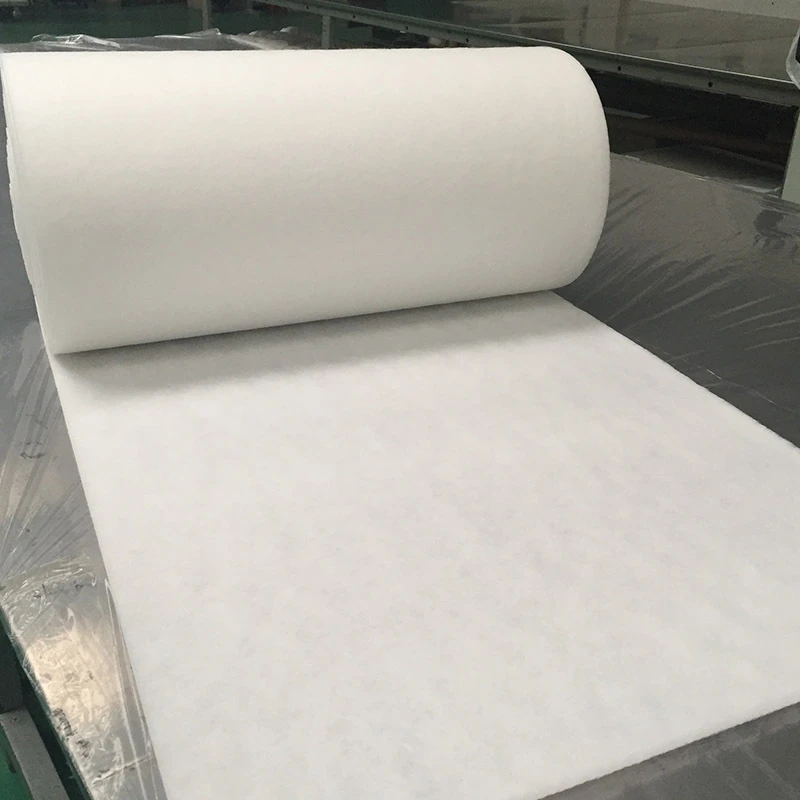
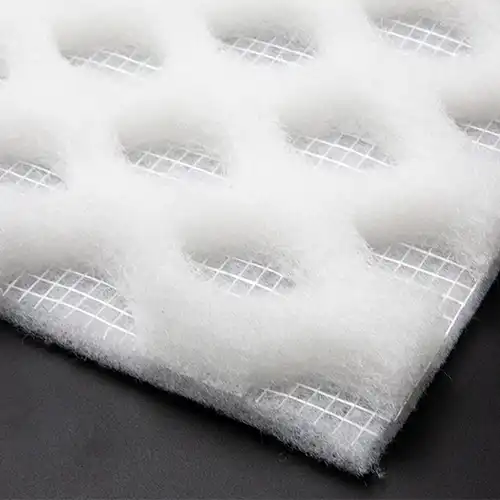
In today’s world, maintaining clean air quality is crucial for both human health and industrial processes. Non woven air filter media plays a vital role in achieving this, offering efficient and cost-effective filtration solutions. This article will delve into the properties, applications, and benefits of non woven filter media, providing a comprehensive understanding for professionals and individuals seeking effective air filtration solutions. From HVAC systems to industrial manufacturing, we'll explore how this material ensures cleaner, healthier environments.
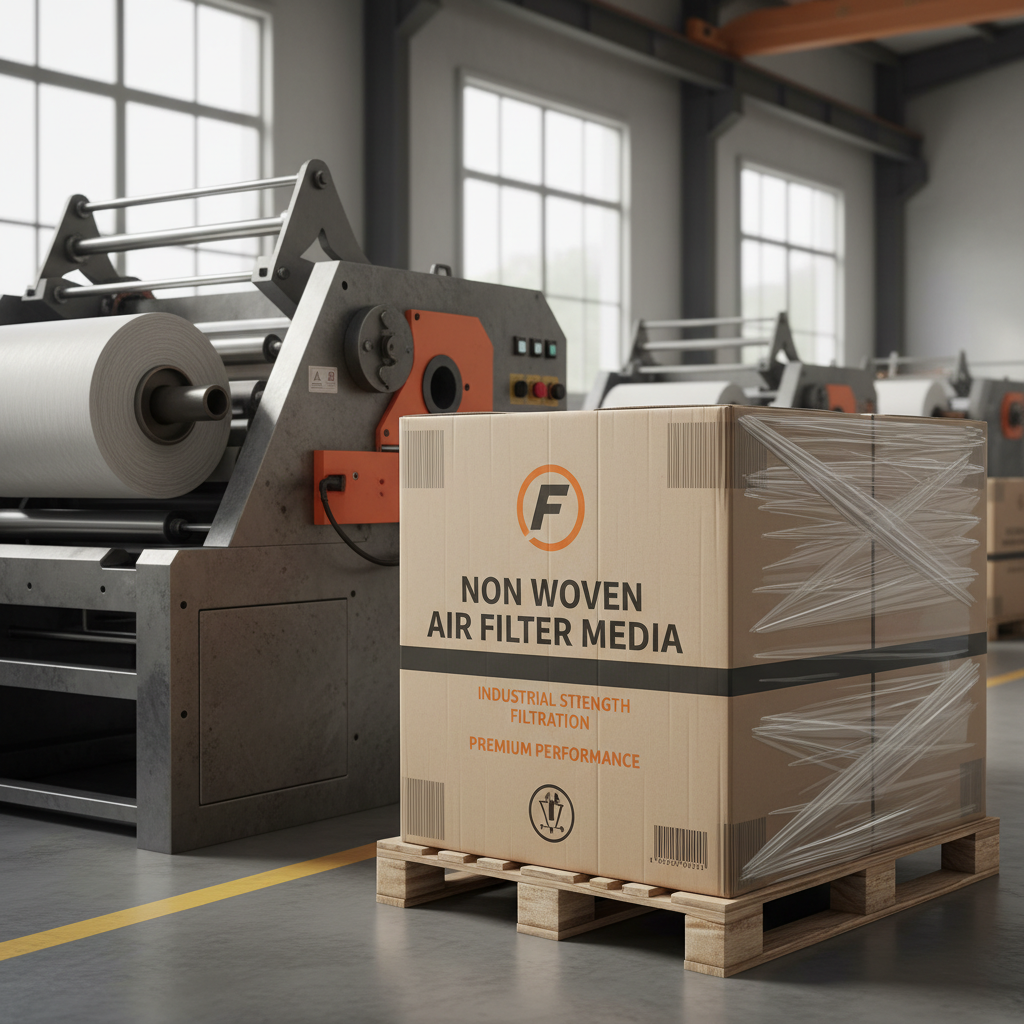
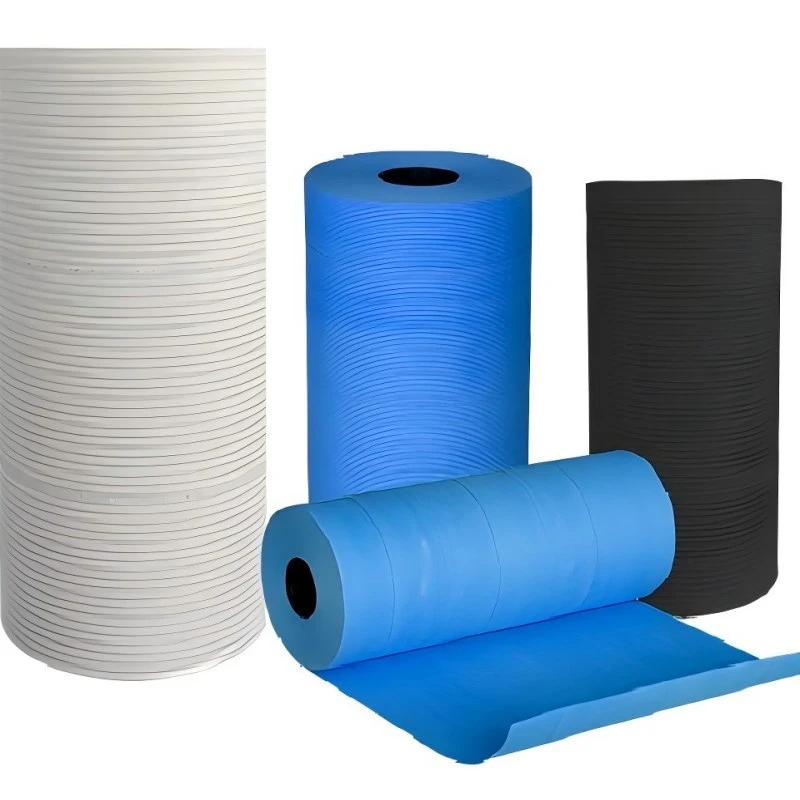
Non woven air filter media is a fabric-like material created from fibers bonded together through mechanical, thermal, or chemical processes, rather than traditional weaving or knitting. This construction provides a unique set of characteristics ideal for air filtration. Unlike woven materials, non woven fabrics have a more random fiber orientation, resulting in a higher surface area and greater dust-holding capacity. This makes them exceptionally effective at capturing airborne particles, ranging from dust and pollen to more hazardous contaminants. Filtersmaterials.com offers a wide range of these media to meet diverse filtration needs.
Key Highlights: High surface area, excellent dust-holding capacity, and cost-effectiveness make it an ideal choice for a wide range of air filtration applications.
There are several types of non woven filter media, each with unique properties and applications. These include:
The selection of the appropriate media depends on the specific filtration requirements of the application.
The versatility of non woven air filter media makes it suitable for a wide range of applications, including:
The ability to customize the media's properties makes it adaptable to various filtration challenges across different industries.
Comparing non woven filter media to traditional filtration materials reveals its distinct advantages. Here's a table illustrating a performance comparison:
Choosing non woven filter media offers numerous benefits:
Non woven air filter media represents a significant advancement in air filtration technology. Its efficiency, cost-effectiveness, and versatility make it an ideal solution for a diverse range of applications. For high-quality non woven air filter media and expert guidance, Filtersmaterials.com is your trusted partner.
MERV (Minimum Efficiency Reporting Value) ratings vary depending on the type and density of the non woven media. Generally, spunbond media has lower MERV ratings (typically 1-4), suitable for pre-filtration. Meltblown media can achieve much higher MERV ratings (up to MERV 13 or higher), making it effective for capturing fine particles. The specific MERV rating will depend on the manufacturing process and the fiber characteristics. Filtersmaterials.com provides detailed specifications, including MERV ratings, for all our products.
The replacement frequency depends on the environment and the amount of particulate matter in the air. In typical residential HVAC systems, filters should be replaced every 1-3 months. In industrial settings with high dust levels, more frequent replacements (weekly or monthly) may be necessary. Visually inspect the filter regularly; if it appears dirty or clogged, it should be replaced. Replacing filters regularly ensures optimal airflow and filtration efficiency.
The recyclability of non woven filter media varies. Some types of non woven fabrics, particularly those made from polypropylene, can be recycled, but it requires specialized facilities. However, due to contamination from collected particles, recycling is often challenging. It’s best to check with local recycling facilities to determine if they accept non woven filter media. Proper disposal in landfills is generally the most common practice.
Meltblown non woven media stands out for its exceptional filtration efficiency due to its very fine fiber diameter and random web structure. This allows it to capture even the smallest particles, making it ideal for applications requiring high air quality, such as medical respirators, HVAC systems, and cleanrooms. It also offers good pressure drop characteristics and is relatively cost-effective. Explore our meltblown media options at Filtersmaterials.com.