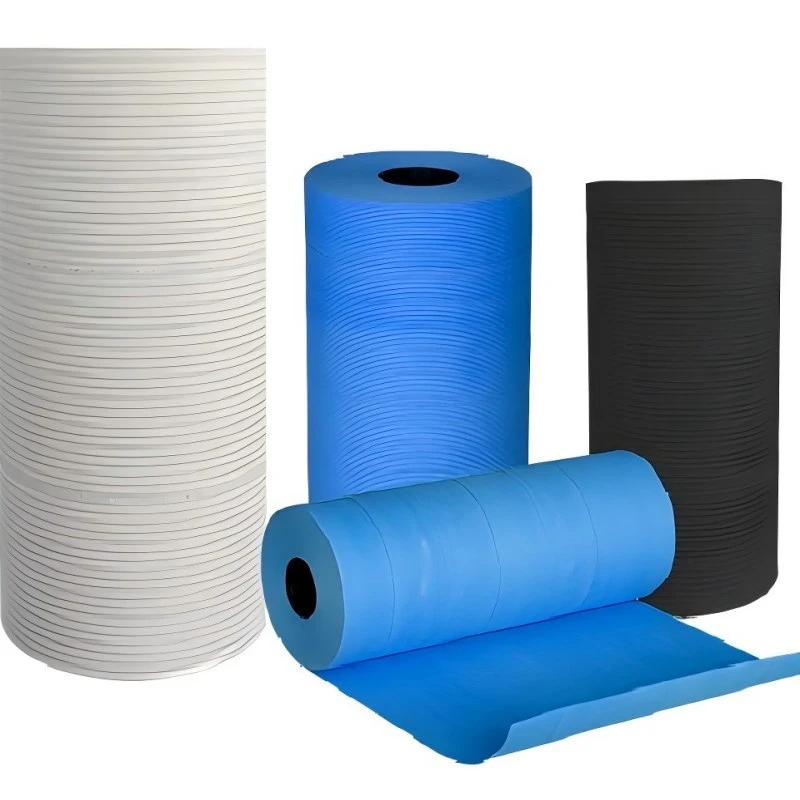
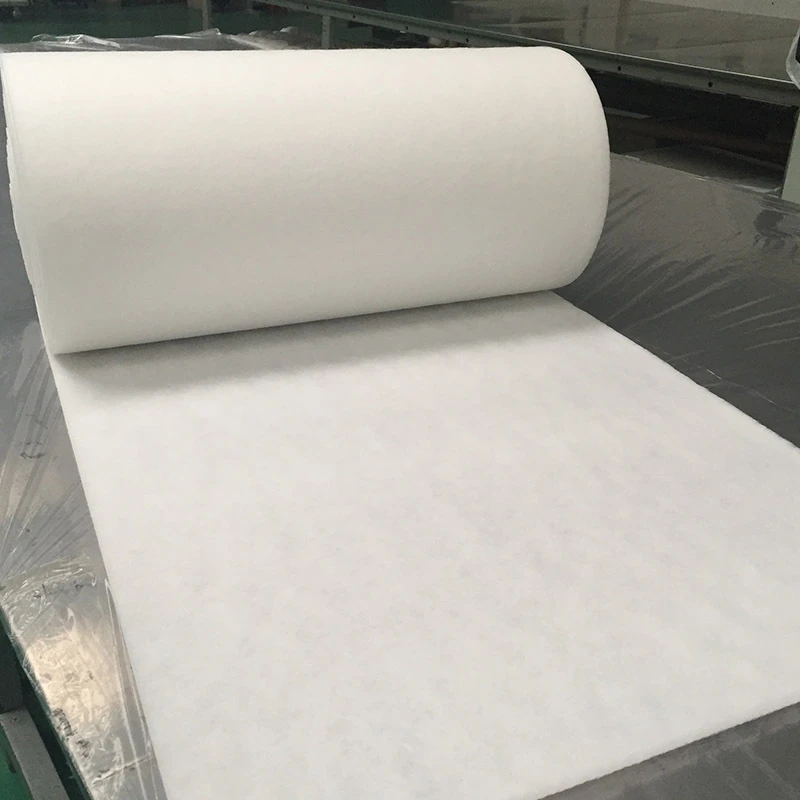
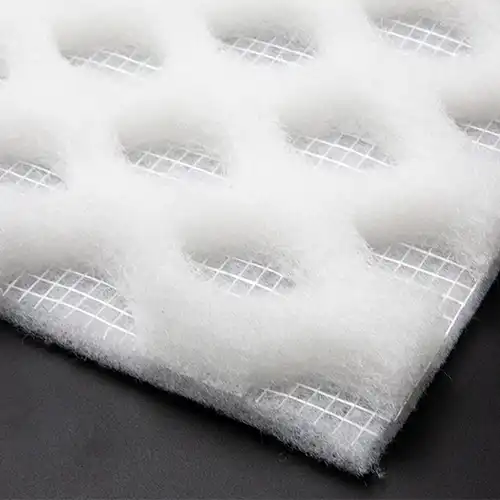
Furnace filters are vital for maintaining indoor air quality and ensuring the efficient operation of your heating system. For businesses and large-scale operations, sourcing bulk furnace filter material offers cost savings and convenience. This article will delve into the different types of furnace filter materials available, their applications, benefits of buying in bulk, and factors to consider when making a purchase. We’ll explore how selecting the right material can optimize your HVAC system’s performance and contribute to a healthier environment.
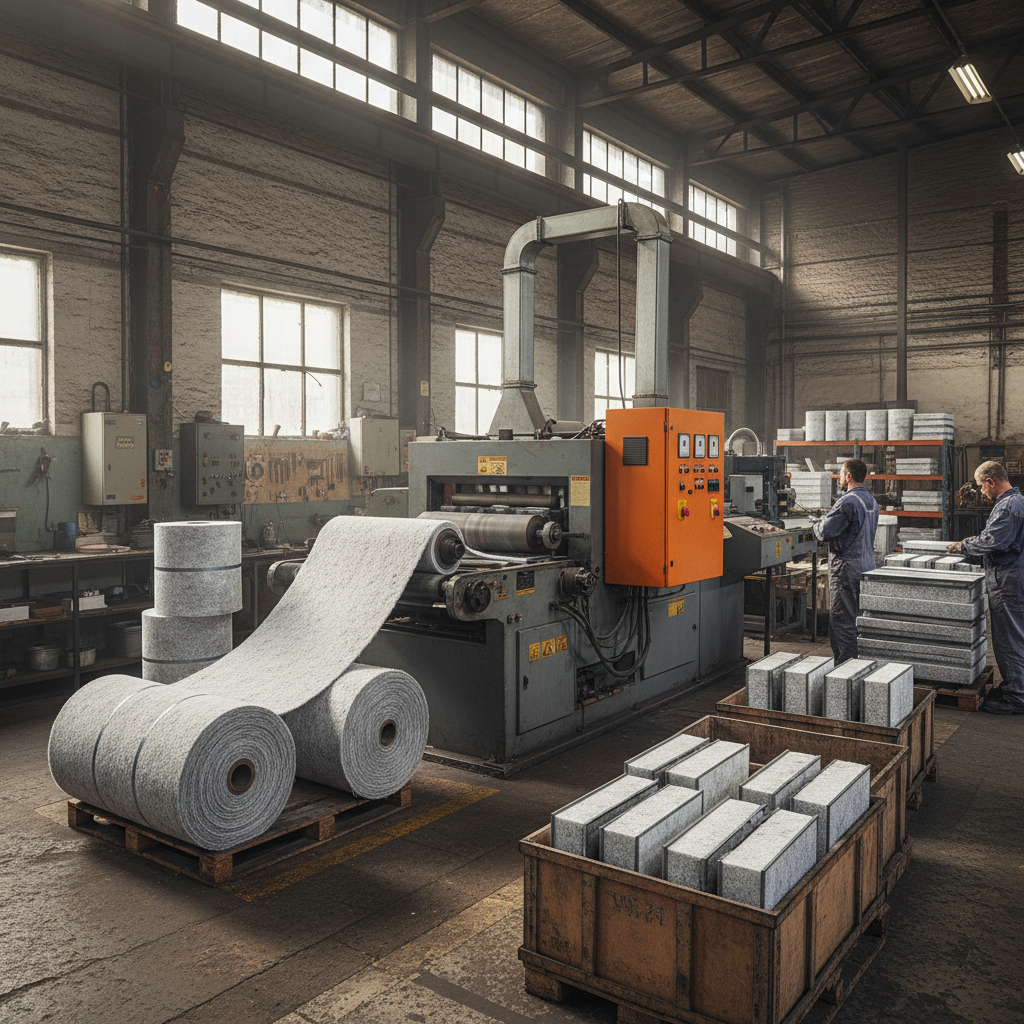
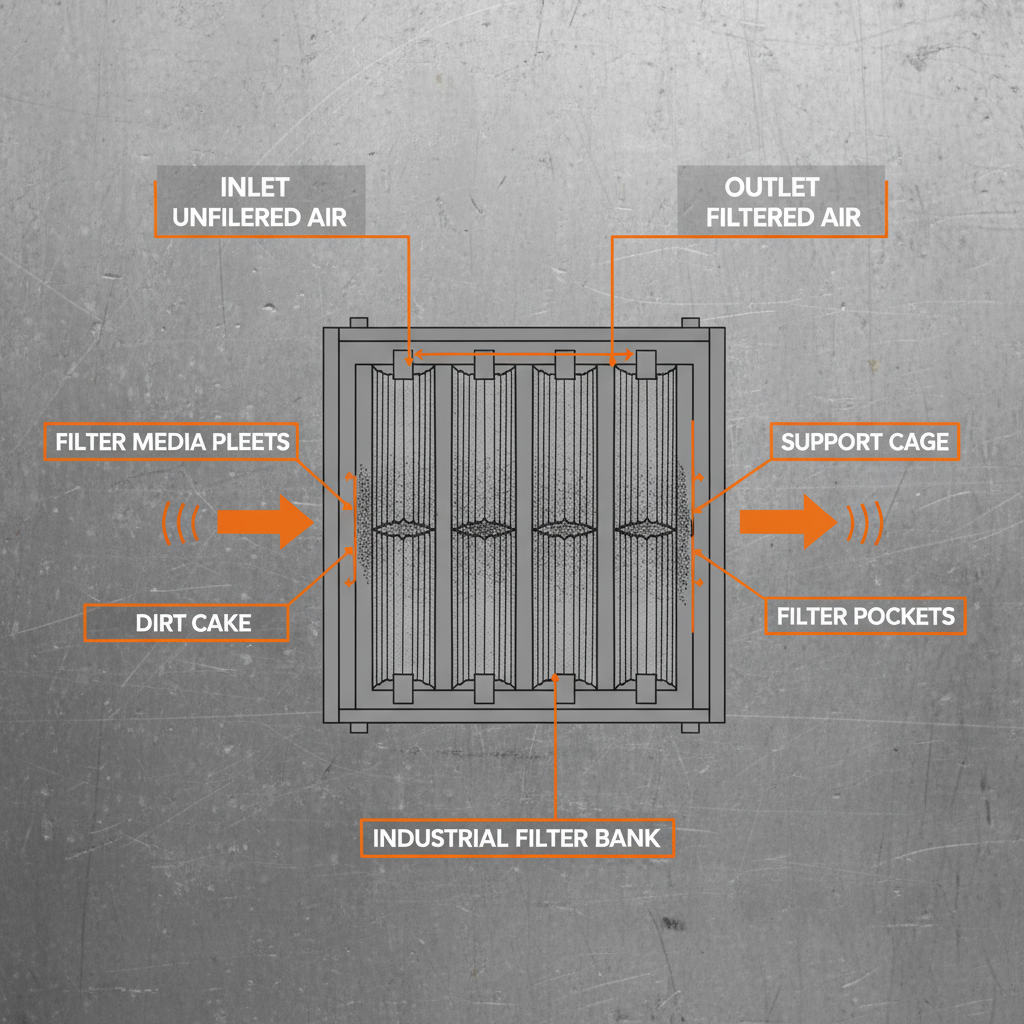
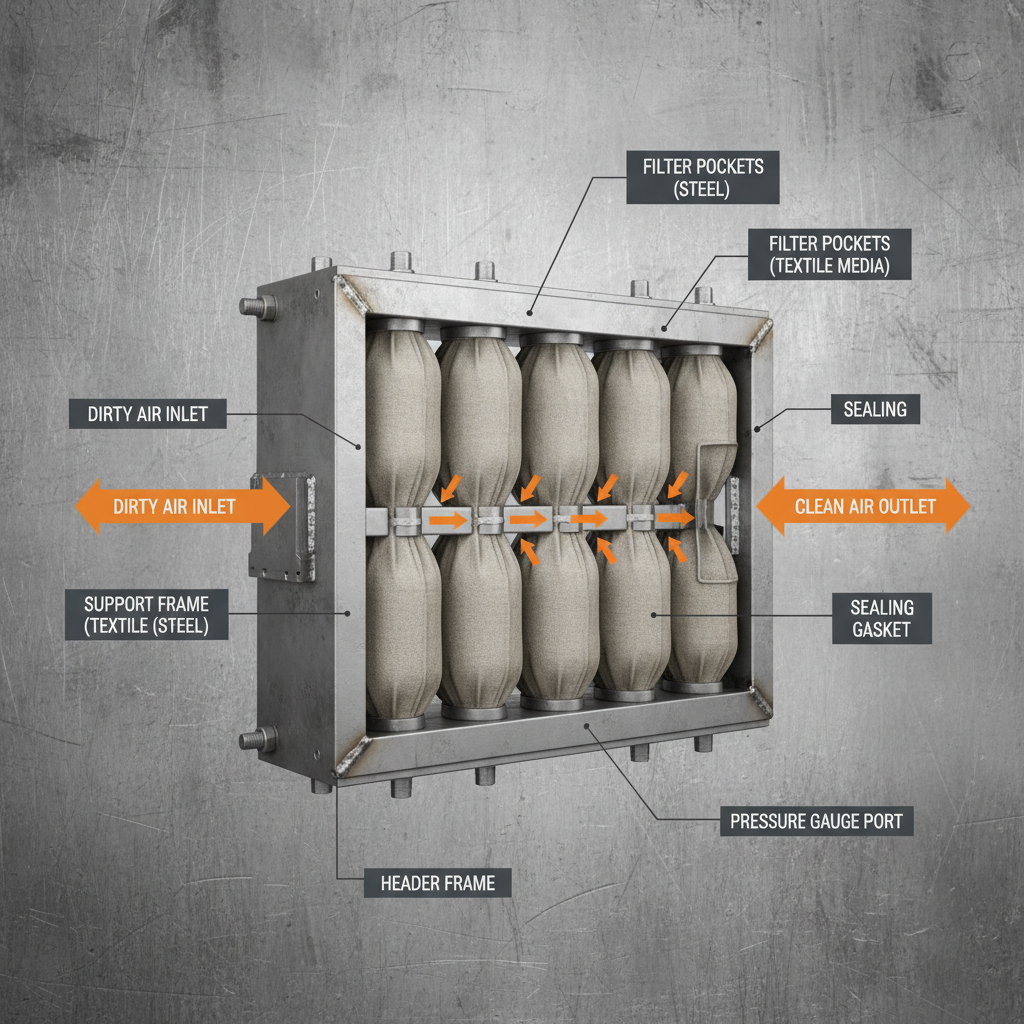
Several materials are used in furnace filter construction, each offering varying levels of filtration and airflow. Common options include fiberglass, pleated paper, and electrostatic filters. Fiberglass filters are the most economical, but they offer minimal filtration. Pleated filters, constructed from paper or synthetic material, provide a larger surface area and capture more particles. Electrostatic filters utilize charged fibers to attract and trap airborne contaminants. Understanding the differences is key to selecting the right furnace filter material for your specific needs. Each filter type will meet the needs of the air purification.
Key Takeaway: Selecting the appropriate filter material directly impacts indoor air quality, HVAC system efficiency, and long-term cost savings.
Buying bulk furnace filter material offers several advantages for businesses and property managers. Significant cost savings are achieved through reduced per-unit pricing. It also minimizes the hassle of frequent reordering, ensuring a consistent supply of filters is always available. This is particularly beneficial for facilities with multiple HVAC units or high filter replacement frequency. Furthermore, it streamlines inventory management and reduces administrative overhead.
Benefits of Bulk Purchasing:
• Lower per-unit cost
• Reduced reordering frequency
• Streamlined inventory management
• Consistent supply of filters
Selecting the ideal furnace filter material requires a comparison of their performance characteristics. The following table outlines the key differences between fiberglass, pleated, and electrostatic filters:
Several factors influence the optimal choice of bulk furnace filter material. The MERV (Minimum Efficiency Reporting Value) rating indicates the filter’s ability to capture particles of varying sizes. Higher MERV ratings mean better filtration but can restrict airflow. The size of your HVAC system and the type of contaminants present are also crucial considerations. Finally, assess the supplier's reputation, pricing, and shipping capabilities to ensure a reliable and cost-effective sourcing experience.
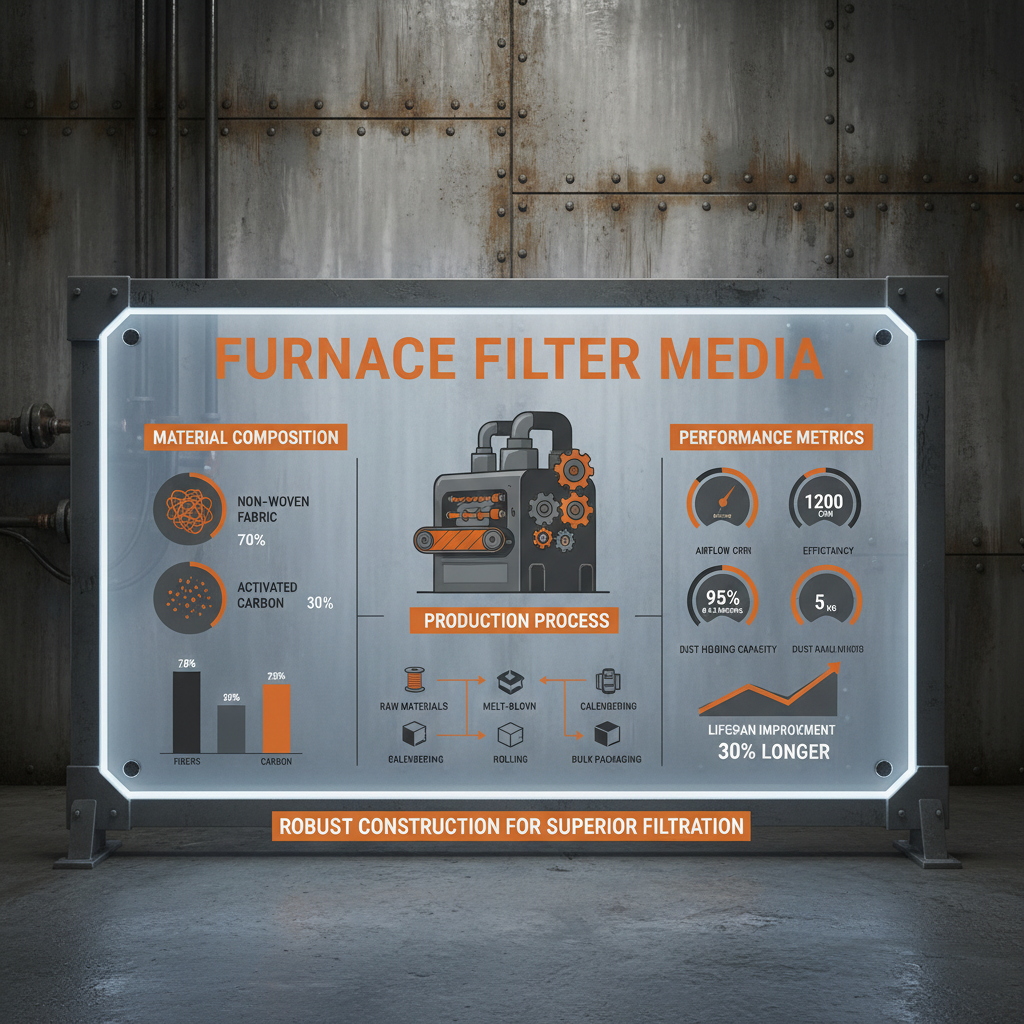
When sourcing bulk furnace filter material, partner with a reputable supplier who can deliver consistent quality and reliable service. Filtersmaterials.com offers a wide selection of filter materials, competitive pricing, and efficient shipping options. We are committed to providing tailored solutions to meet your specific requirements. Contact us today to discuss your needs and receive a customized quote.
Investing in high-quality bulk furnace filter material is a smart decision for businesses and property managers seeking to enhance indoor air quality, improve HVAC system efficiency, and reduce long-term costs. By carefully considering your needs and selecting a reliable supplier like Filtersmaterials.com, you can ensure a consistent supply of premium filters that deliver optimal performance.
The ideal MERV rating depends on your specific needs. A MERV 8-11 filter is generally recommended for residential use, providing a good balance between filtration and airflow. If you have allergies or respiratory issues, a MERV 13 filter may be more appropriate. However, higher MERV ratings can restrict airflow and potentially damage your HVAC system. Consult with an HVAC professional to determine the best MERV rating for your system. Buying bulk furnace filter material allows you to test out different MERV ratings to see what works best for your setup.
The frequency of filter replacement depends on several factors, including the type of filter, the amount of dust and debris in your environment, and the usage of your HVAC system. Generally, fiberglass filters should be replaced monthly, pleated filters every 3-6 months, and electrostatic filters every 6-12 months. Regularly check your filter for dirt and debris, and replace it when it appears clogged.
Electrostatic filters offer excellent filtration capabilities, capturing a high percentage of airborne particles. They are reusable and washable, reducing waste and long-term costs. However, they can be more expensive upfront and may require more frequent cleaning. They do restrict airflow more than fiberglass filters, which should be factored in before buying bulk furnace filter material.