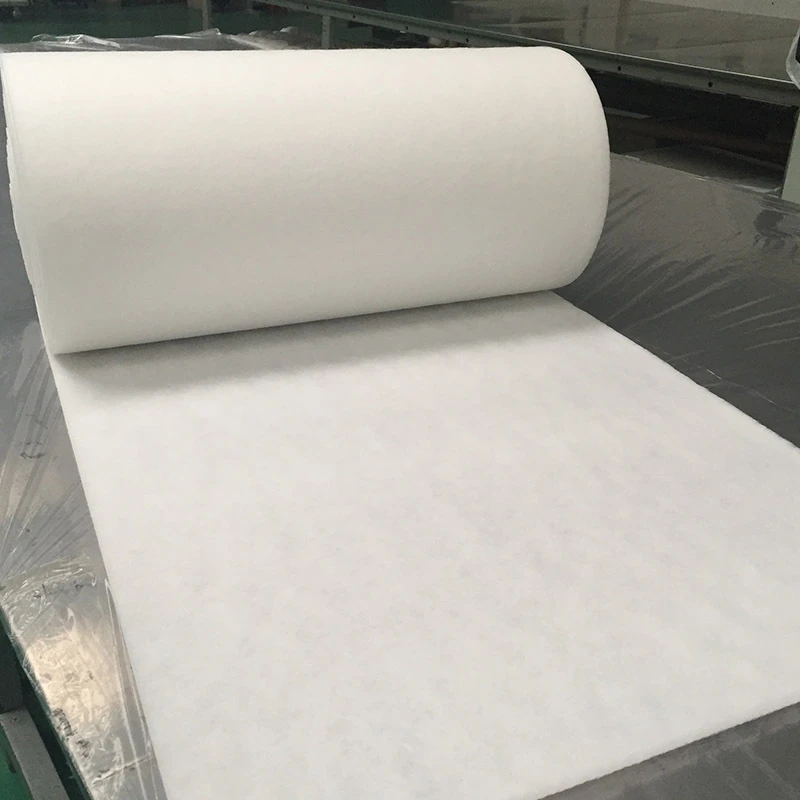
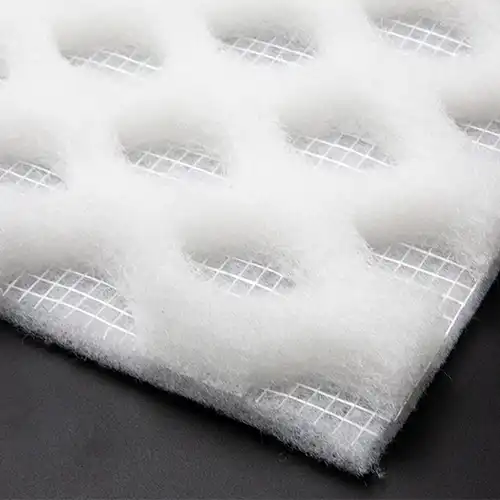
In today's increasingly health-conscious world, clean air is paramount. From homes to offices, and even vehicles, maintaining air quality is crucial for well-being. A pocket air filter offers a simple, cost-effective solution to improve indoor air quality. These filters are designed to capture dust, pollen, and other airborne particles, contributing to a healthier living and working environment. This article will delve into the features, benefits, applications, and considerations when choosing a pocket air filter, helping you make an informed decision. Filtersmaterials provides high-quality pocket air filters for various needs.
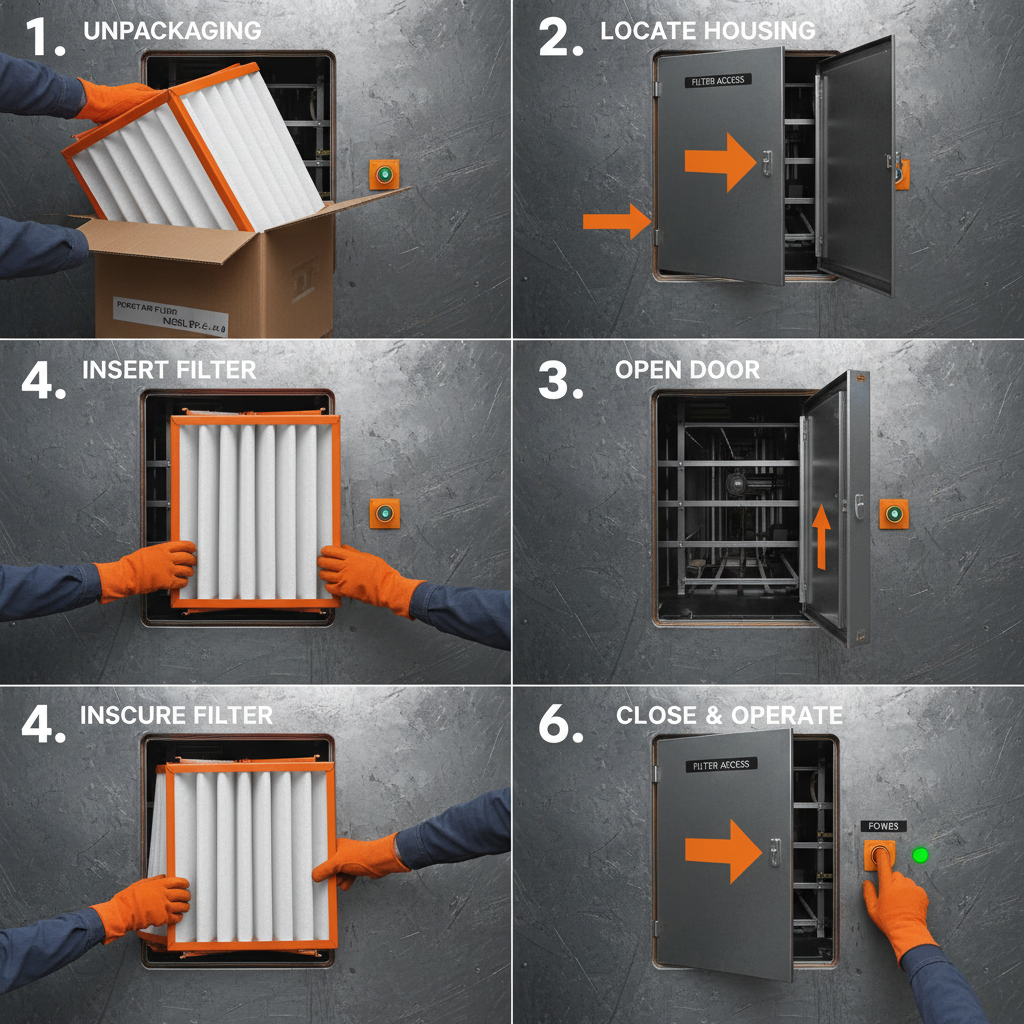
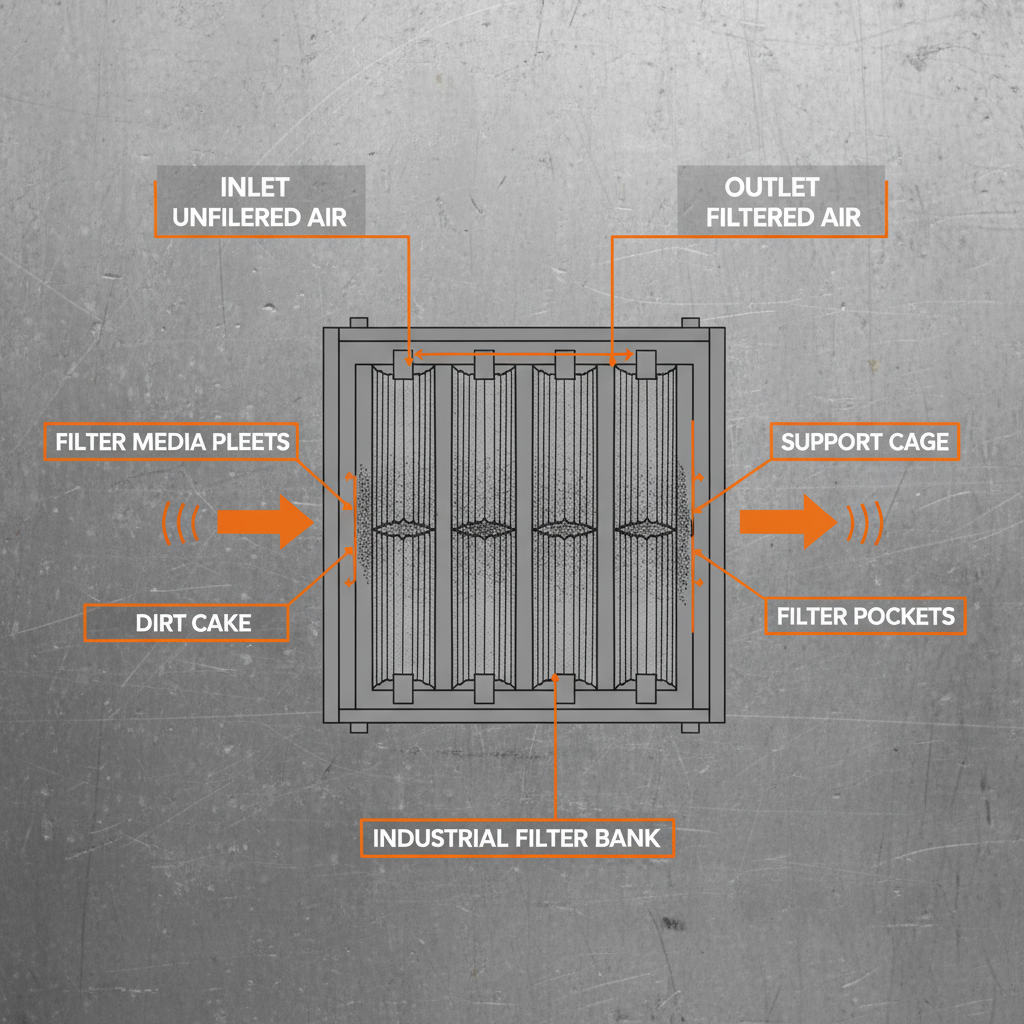
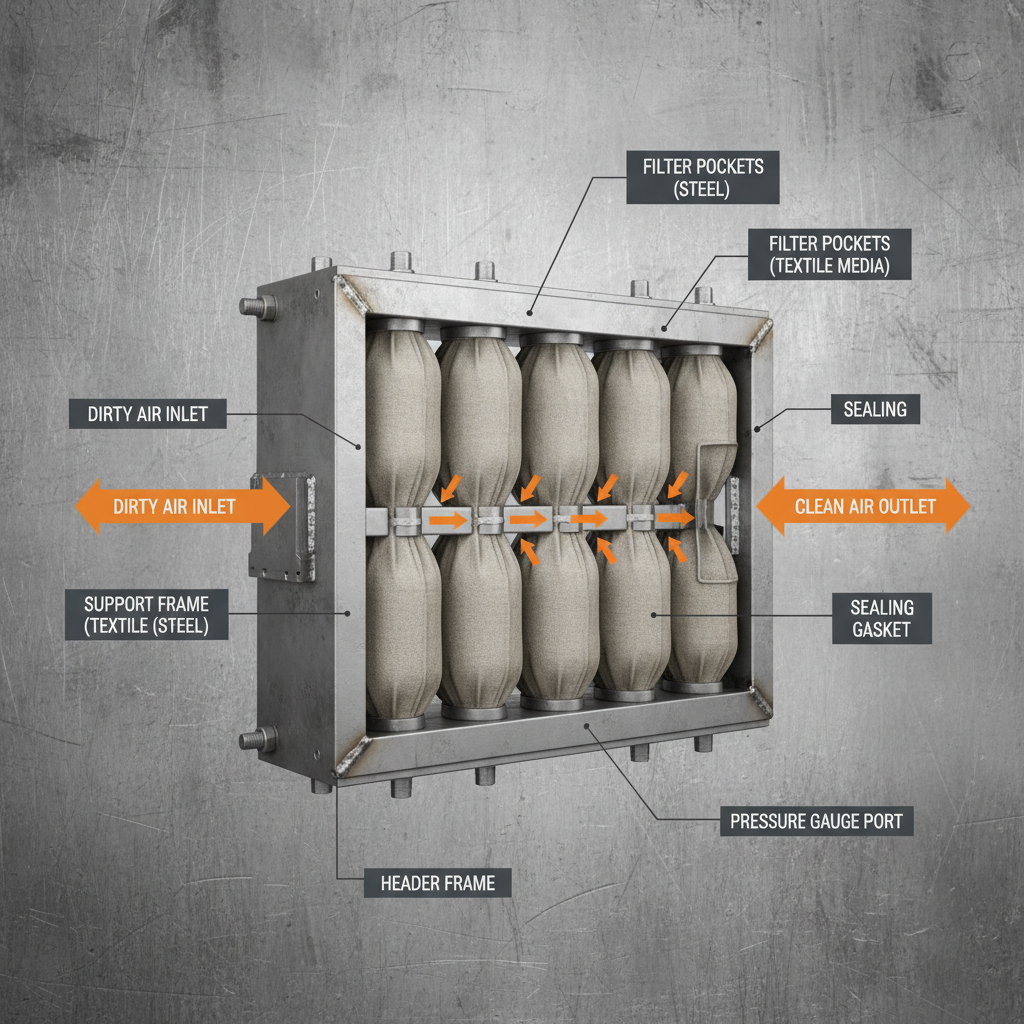
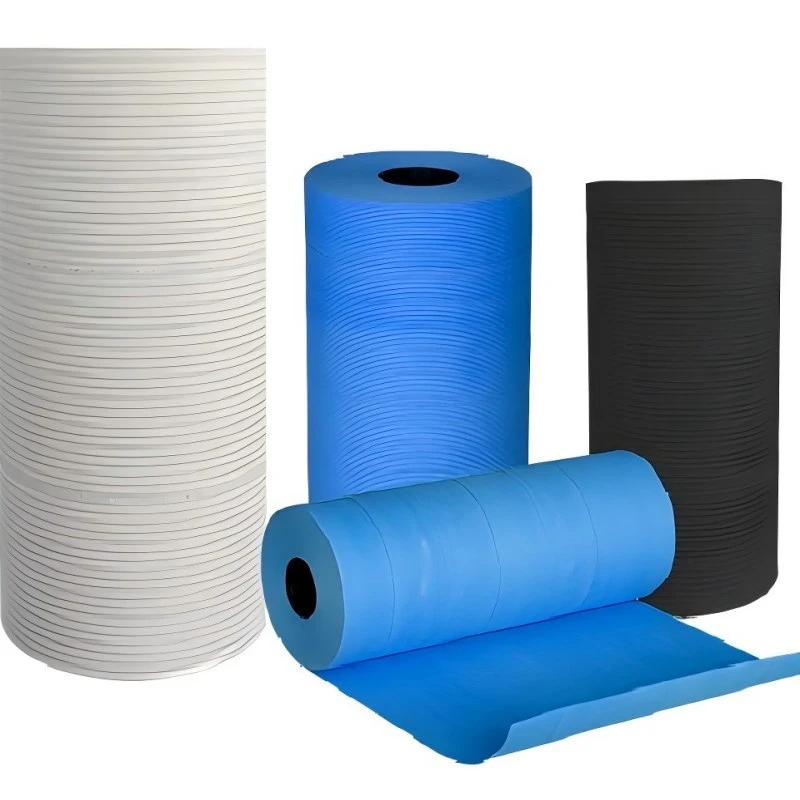
A pocket air filter is a type of disposable air filter commonly used in HVAC systems, furnaces, and air conditioning units. They are constructed with layers of pleated filter media, contained within a durable fabric pocket. This design creates a large surface area for trapping airborne particles. They are an economical and readily available option for improving air quality. Unlike some high-efficiency filters, pocket filters offer a balance between filtration efficiency and airflow resistance, making them suitable for a wide range of applications. Choosing the right MERV rating is key for optimal performance.
Key Highlights: Provides a balance between filtration efficiency and airflow resistance, suitable for a wide range of applications. Economical and readily available.
Using pocket air filters provides a multitude of benefits. Firstly, they significantly improve indoor air quality by removing dust, pollen, pet dander, mold spores, and other allergens. This can alleviate symptoms for allergy sufferers and individuals with respiratory conditions. Secondly, clean air filters contribute to the efficiency of your HVAC system. By preventing dust and debris from accumulating on the system's components, they reduce strain on the motor and improve airflow, potentially lowering energy costs. Finally, regular filter replacement protects your HVAC equipment from damage, extending its lifespan. You can find a variety of filter options at Filtersmaterials.
Benefits at a Glance:
• Improves indoor air quality.
• Enhances HVAC system efficiency.
• Protects HVAC equipment from damage.
• Reduces energy costs.
There are several types of air filters available, each with its own advantages and disadvantages. Pocket filters are often compared to pleated filters, HEPA filters, and electrostatic filters. Pleated filters offer a higher surface area than basic fiberglass filters but typically have lower efficiency than pocket filters. HEPA filters provide the highest level of filtration but also create the greatest airflow resistance, potentially straining HVAC systems. Electrostatic filters are reusable but can lose efficiency over time. Choosing the right filter depends on your specific needs and HVAC system capabilities. Filtersmaterials offers a wide range of options to suit your requirements.
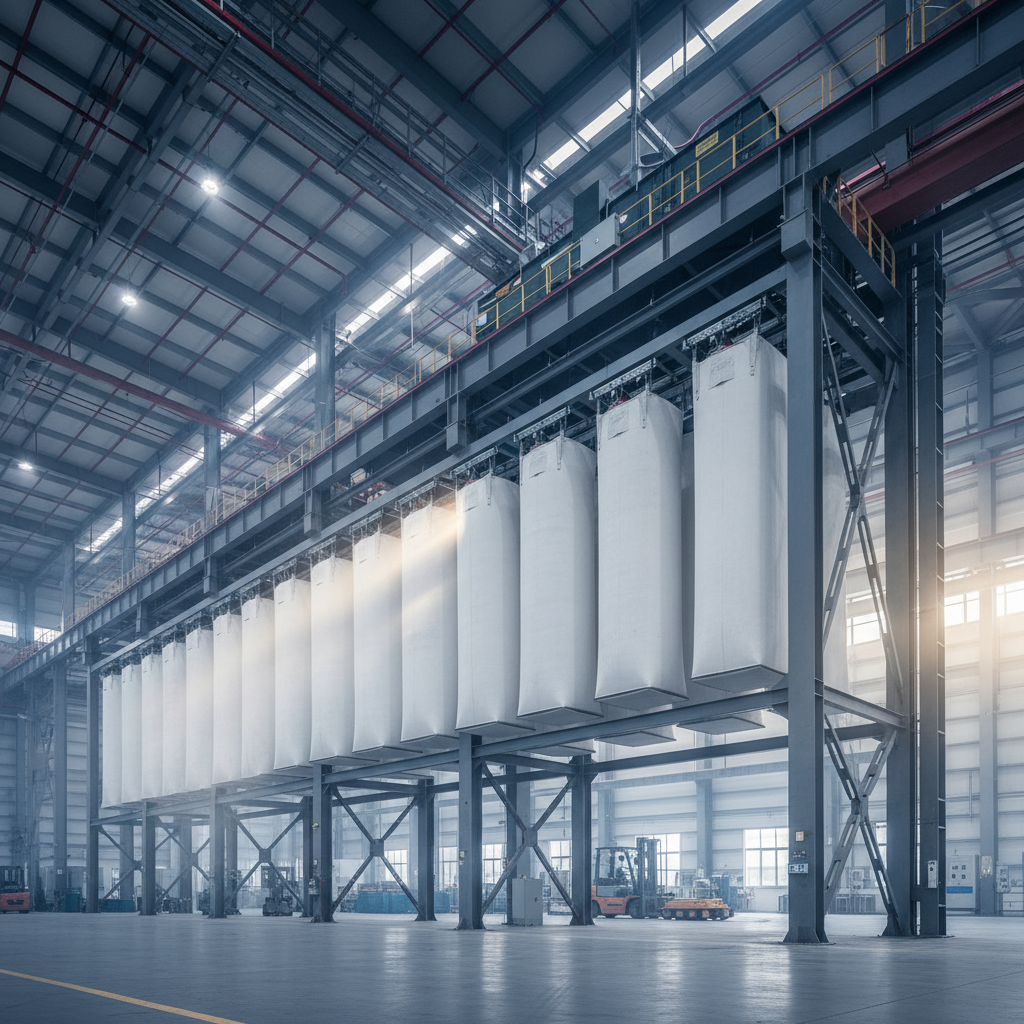
Pocket air filters are versatile and can be used in a variety of settings, including residential homes, commercial buildings, hospitals, schools, and industrial facilities. They are commonly used in HVAC systems to protect equipment and improve indoor air quality. They are also employed in portable air purifiers and ventilation systems. Selecting the appropriate MERV rating is crucial for optimal performance. For general dust removal, a MERV 8-11 filter is usually sufficient. For allergy sufferers or those with respiratory issues, a higher MERV rating (13-16) may be more beneficial. Filtersmaterials can help you determine the best filter for your needs.
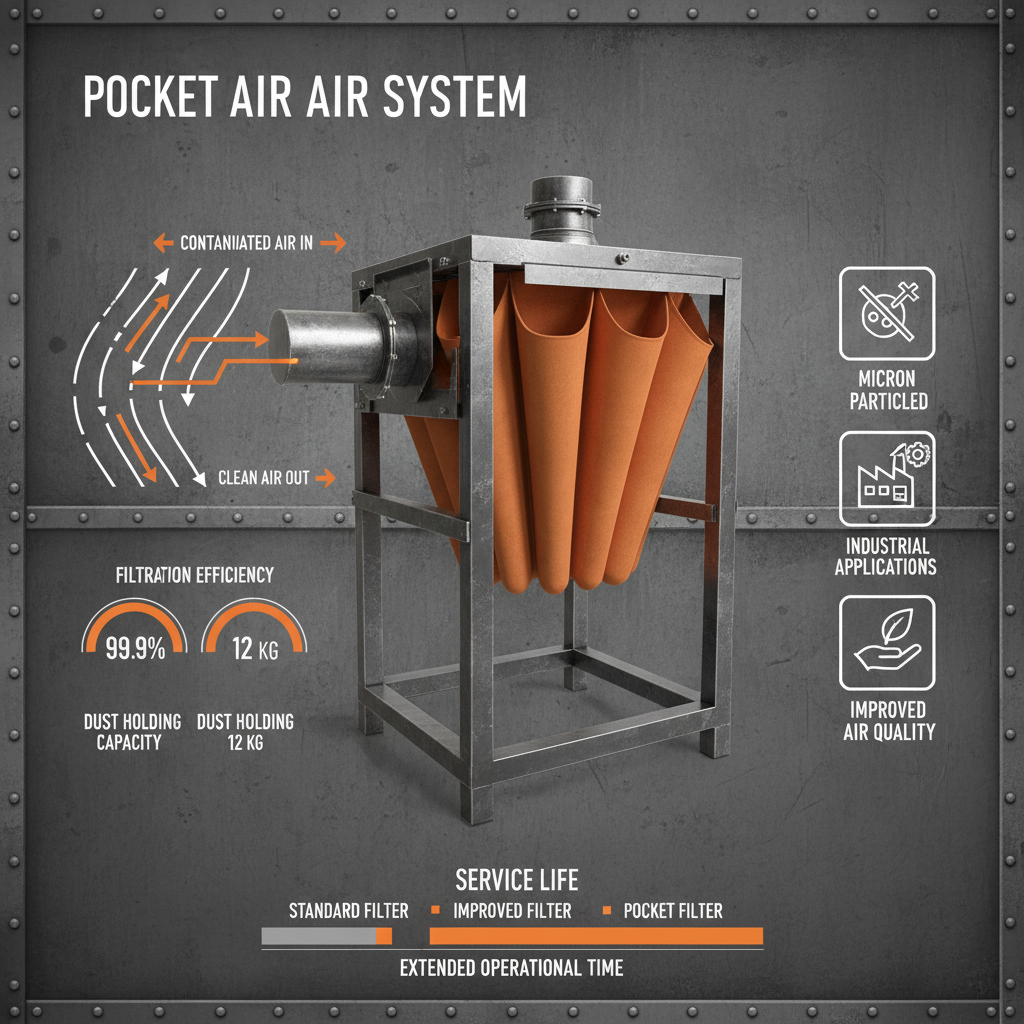
The MERV (Minimum Efficiency Reporting Value) rating is a crucial factor when selecting a pocket air filter. This rating indicates the filter's ability to capture particles of different sizes. Higher MERV ratings signify greater efficiency but also increased airflow resistance. Consider your HVAC system's capabilities and your specific air quality needs when choosing a MERV rating. Always check your HVAC system's manual for recommended filter specifications. Regular filter replacement, typically every 1-3 months, is essential to maintain optimal performance.
Investing in a quality pocket air filter from Filtersmaterials is a simple yet effective way to improve your indoor air quality and protect your HVAC system. By understanding the different filter types, MERV ratings, and applications, you can make an informed decision that meets your specific needs and contributes to a healthier living environment. Don’t compromise on the air you breathe – choose wisely!
The frequency of filter replacement depends on several factors, including the type of filter, the air quality in your environment, and the usage of your HVAC system. As a general guideline, pocket air filters should be replaced every 1-3 months. If you have pets, allergies, or live in a dusty area, more frequent replacement may be necessary. Regularly inspecting the filter can help you determine when it's time for a change. A visibly dirty filter indicates reduced airflow and efficiency.
MERV stands for Minimum Efficiency Reporting Value. It's a rating system that measures a filter's ability to capture particles of different sizes. The higher the MERV rating, the more particles the filter can trap. MERV ratings range from 1 to 20. Generally, MERV 8-11 filters are suitable for capturing dust, pollen, and pet dander, while MERV 13-16 filters can capture smaller particles like mold spores and bacteria.
Yes, a pocket air filter can significantly help with allergies. By capturing airborne allergens like pollen, dust mites, and pet dander, it reduces their concentration in the air, alleviating allergy symptoms. Using a filter with a MERV rating of 11 or higher is recommended for allergy sufferers, as it can capture smaller particles that trigger allergic reactions.
No, pocket air filters are generally not washable or reusable. Their pleated design and filter media are not intended to withstand washing, and doing so can damage the filter and reduce its effectiveness. It is best to replace pocket air filters regularly to maintain optimal performance and air quality.