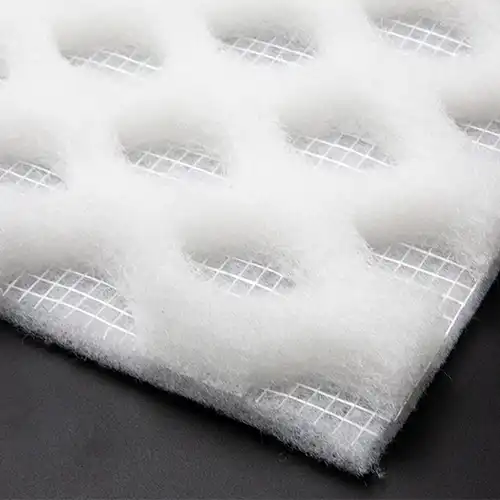
When it comes to maintaining indoor air quality, selecting the right filtration solution is crucial. Merv filter roll offers a versatile and cost-effective way to improve air filtration in various applications. This article will delve into the benefits, applications, and selection criteria for Merv filter rolls, providing a thorough overview for businesses and individuals looking to enhance their air quality. Investing in a quality Merv filter roll is a proactive step towards a healthier environment.
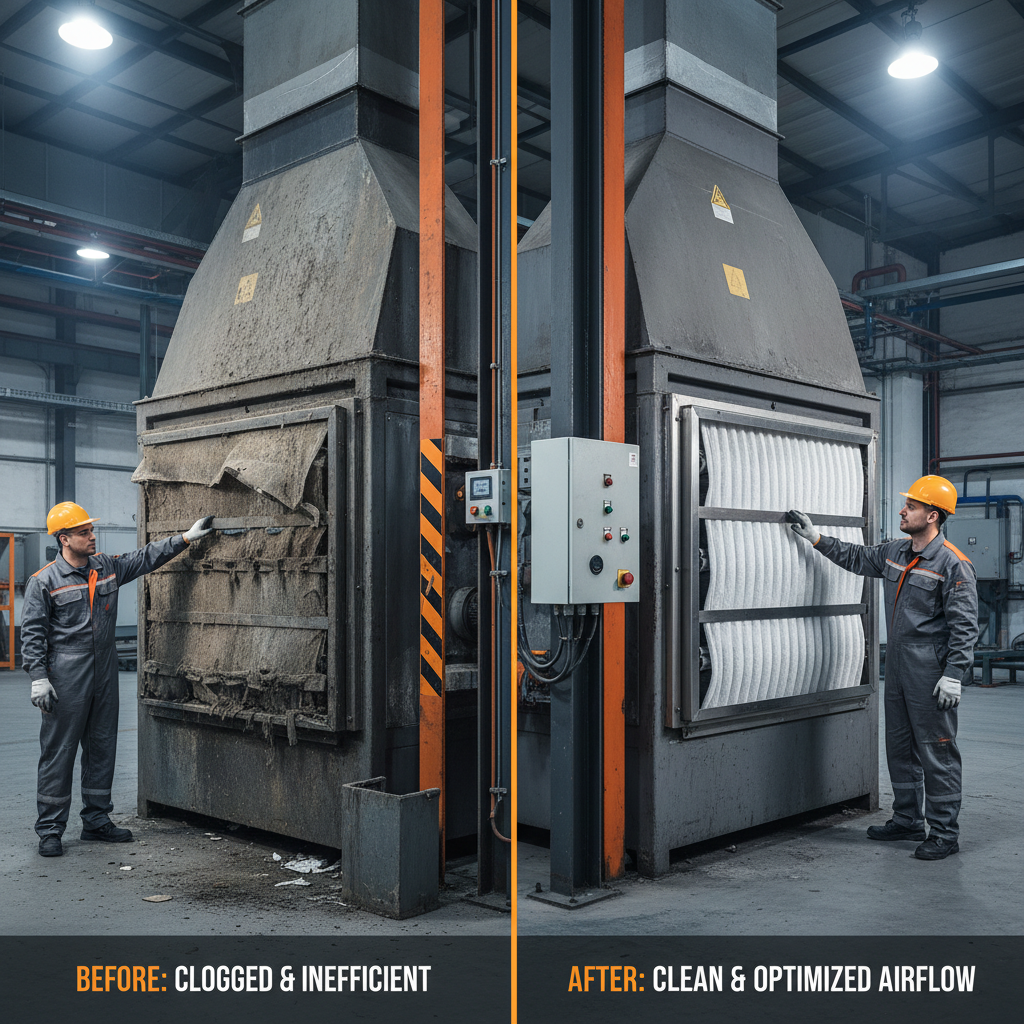
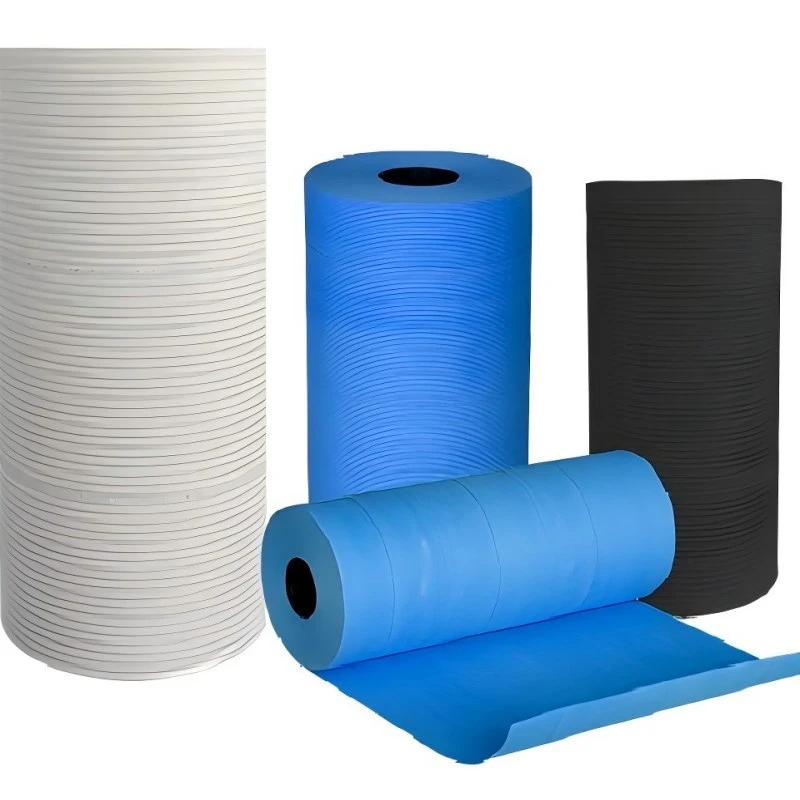
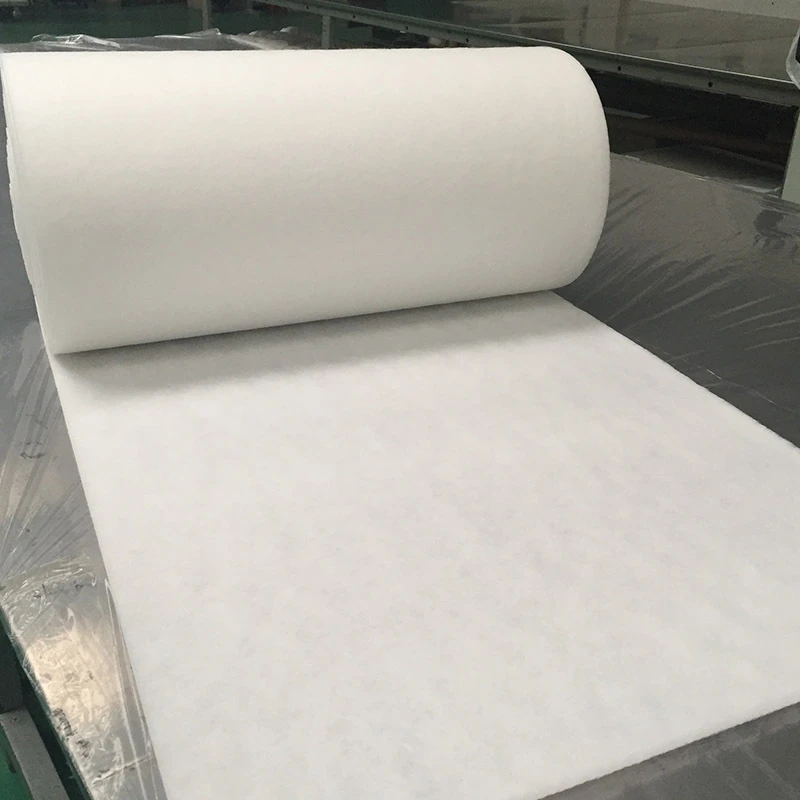
A Merv (Minimum Efficiency Reporting Value) filter roll is a continuous length of filtration media rolled onto a core, designed for custom air filtration solutions. Unlike pre-cut filters, rolls allow you to create filters of any size, optimizing usage and minimizing waste. The Merv rating indicates the filter's ability to capture particles of different sizes, ranging from larger dust particles to microscopic allergens and bacteria. Filtersmaterials.com provides a wide selection of Merv filter rolls to meet diverse needs.
Key Benefits: Customizable sizing, cost-effective, reduced waste, wide range of Merv ratings available.
Selecting the appropriate Merv rating is critical for effective air filtration. Lower Merv ratings (1-4) are suitable for basic particle filtration, such as dust and pollen. Medium Merv ratings (5-8) capture more allergens, mold spores, and pet dander. Higher Merv ratings (9-13) effectively remove smaller particles like bacteria and some viruses, and are often used in healthcare settings. Merv 14-16 filters are used in surgical rooms or pharmaceutical applications. Consider the specific contaminants you need to remove and the sensitivity of the environment when choosing a Merv rating. Consulting with air filtration experts can help you determine the best option for your application.
Merv Rating Guide:
• 1-4: Large particles (dust, pollen)
• 5-8: Allergens, mold spores, pet dander
• 9-13: Bacteria, viruses, smoke
• 14-16: Surgical, Pharmaceutical applications
Merv filter rolls are incredibly versatile and can be used in a wide range of applications. Some common uses include: HVAC systems in commercial buildings, industrial air purification systems, cleanroom environments, DIY air filters for homes and offices, pre-filters for more expensive filtration systems, and customized filtration solutions for specific equipment. The ability to cut the roll to size makes it ideal for irregular shapes and hard-to-fit spaces. Industries benefitting from Merv filter rolls include manufacturing, healthcare, food processing, and pharmaceuticals.
At Filtersmaterials.com, we offer a variety of Merv filter rolls to meet your specific requirements. Here's a glimpse into our standard offerings:
Investing in a Merv filter roll from Filtersmaterials.com is a cost-effective and efficient way to improve your indoor air quality. With a wide range of Merv ratings and customizable options, you can find the perfect solution for your needs. Prioritizing air quality is an investment in health, productivity, and overall well-being.
The replacement frequency depends on the Merv rating and the level of contamination in your environment. Generally, filters with lower Merv ratings should be replaced every 1-3 months, while those with higher ratings may last 3-6 months. Inspect the filter regularly; if it appears dirty or clogged, it's time for a replacement. Factors such as dust, pollen, pet dander, and smoking can shorten the lifespan of the filter. Consistent replacement ensures optimal performance and prevents strain on your HVAC system.
Yes, one of the key advantages of using a Merv filter roll is its versatility. You can easily cut the roll to any size or shape using a sharp utility knife or scissors. It’s important to ensure a snug fit to maximize filtration efficiency and prevent air bypass. Filtersmaterials.com offers rolls specifically designed for easy cutting and customization.
Yes, Merv filter rolls with a rating of 8 or higher are highly effective at capturing allergens such as pollen, dust mites, and pet dander. These filters can significantly improve indoor air quality and provide relief for allergy sufferers. Choosing a higher Merv rating will capture even smaller particles, offering even greater protection. Consistent filter replacement is crucial for maintaining allergen control.
Both synthetic and polyester are common filter media materials, each with its own advantages. Synthetic media generally offers higher efficiency and a longer lifespan, making it suitable for demanding applications. Polyester media is more economical and provides good performance for general-purpose filtration. The best choice depends on your specific needs and budget. Filtersmaterials.com provides both options to suit your requirements.