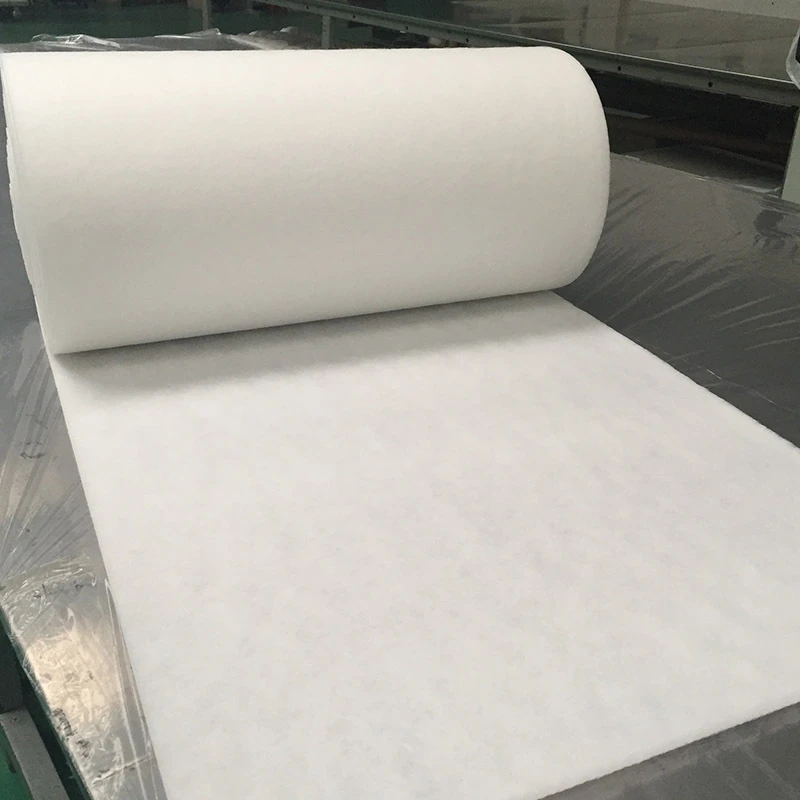
In today’s increasingly polluted world, maintaining clean air is paramount. Non woven air filters play a crucial role in achieving this, offering efficient and cost-effective air purification. This article provides an in-depth look at non woven air filters, exploring their benefits, applications, types, and factors to consider when selecting the right filter for your needs. We'll dive into the science behind these filters and why they are a popular choice for various industries.
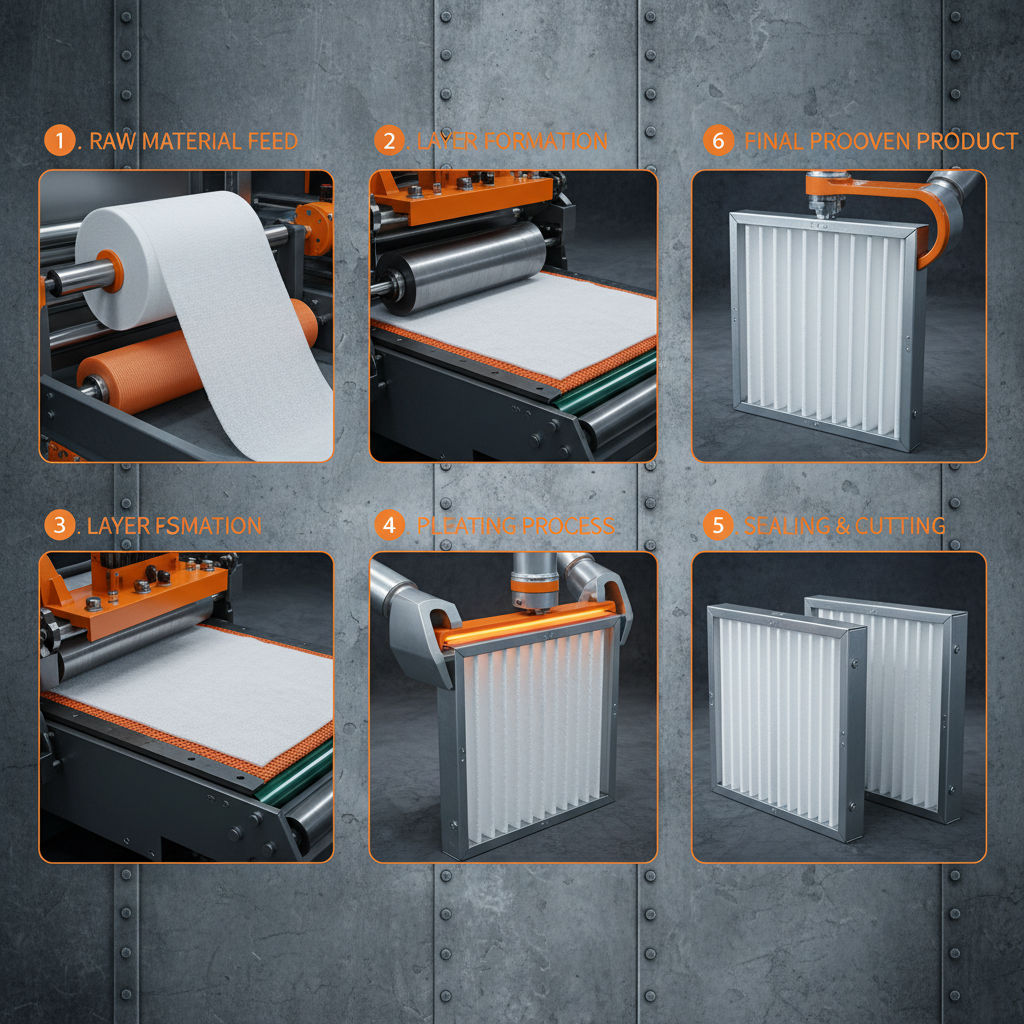
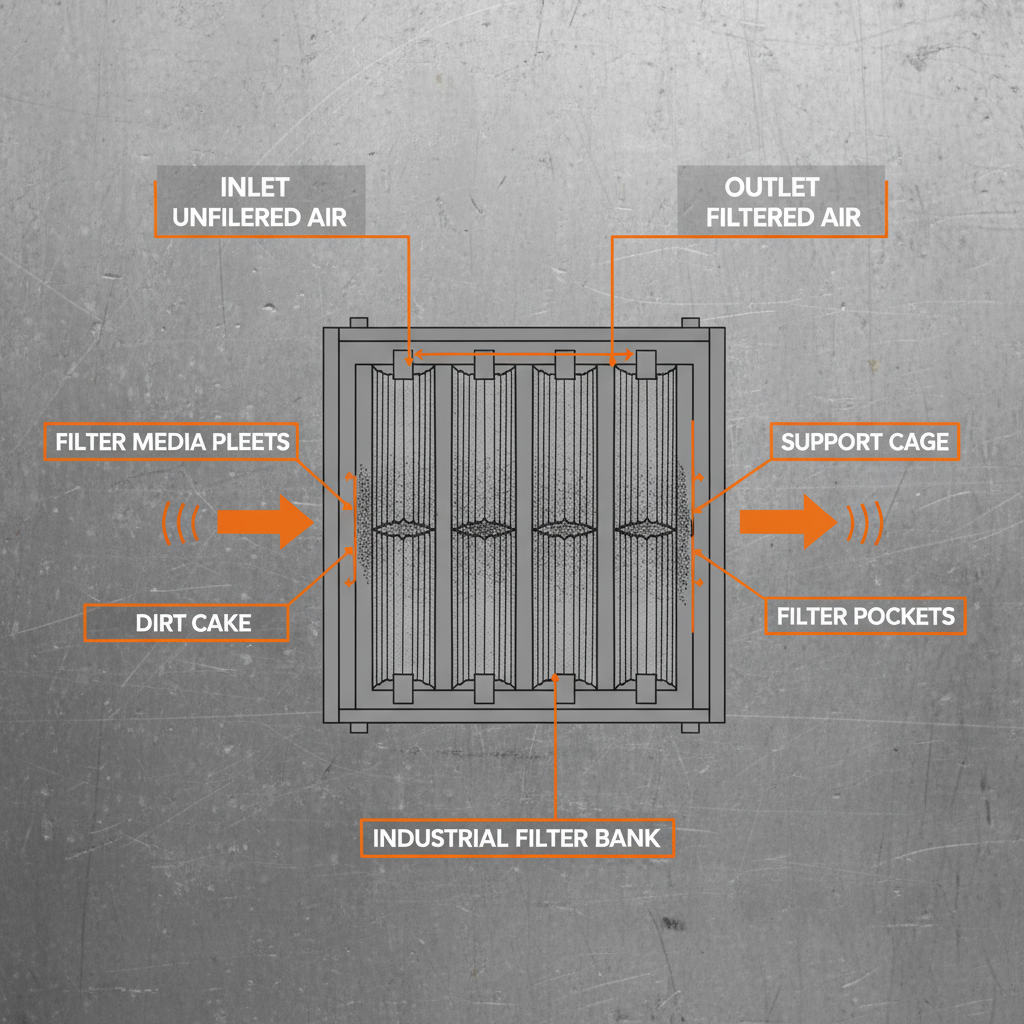
Non woven air filters are constructed from a fabric-like material made of fibers bonded together through mechanical, thermal, or chemical processes, rather than being woven or knitted. This unique construction gives them several advantages, including high efficiency, low pressure drop, and cost-effectiveness. They are commonly used in HVAC systems, pre-filtration, and a variety of industrial applications. The key to their effectiveness lies in their ability to capture particulate matter of varying sizes, contributing to improved indoor air quality. These filters are designed to trap dust, pollen, mold spores, and other airborne contaminants.
Key Highlights: Efficient particulate matter capture, low pressure drop, cost-effective, and versatile for diverse applications.
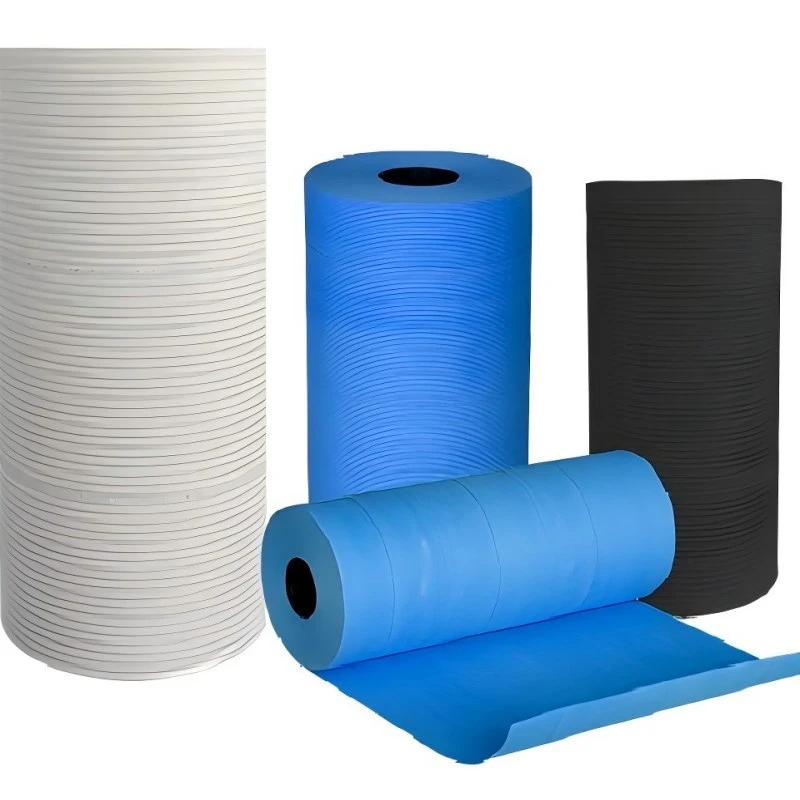
Non woven air filters come in several variations, each designed for specific applications and filtration needs. Common types include spunbond, meltblown, and composite filters. Spunbond filters offer good structural integrity and are often used as pre-filters. Meltblown filters, known for their fine fiber structure, provide high efficiency in capturing small particles. Composite filters combine different non woven materials to achieve a balance of efficiency, airflow, and cost. Understanding these differences is crucial for selecting the ideal filter for your specific requirements.
Filter Type Breakdown:
• Spunbond: Good structural integrity, pre-filtration.
• Meltblown: High efficiency, small particle capture.
• Composite: Balanced efficiency, airflow, and cost.
Non woven air filters offer a multitude of benefits, making them a preferred choice for various applications. These include improved indoor air quality, protection of HVAC equipment, reduced energy consumption, and cost-effectiveness. Their high efficiency in capturing airborne particles contributes to a healthier environment, while preventing dust and debris from entering HVAC systems prolongs their lifespan and reduces maintenance costs. Furthermore, the low pressure drop associated with these filters minimizes energy consumption, resulting in lower operating costs.
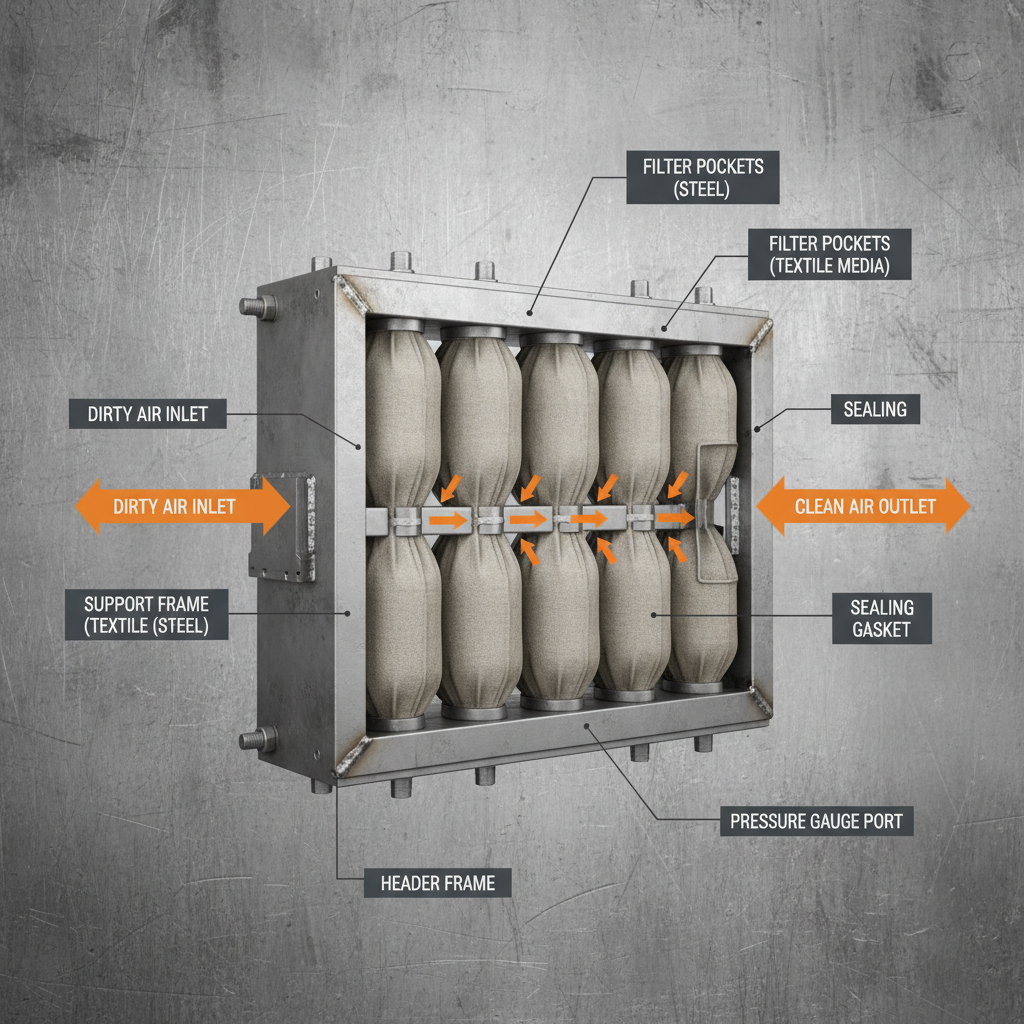
Non woven air filters find widespread use in a variety of industries and applications. They are commonly utilized in HVAC systems for residential, commercial, and industrial buildings. Furthermore, they are essential components in cleanrooms, hospitals, and pharmaceutical manufacturing facilities where maintaining a sterile environment is critical. They are also used in automotive cabin air filters, dust collectors, and other industrial filtration systems. The versatility of these filters makes them an indispensable part of many modern processes.
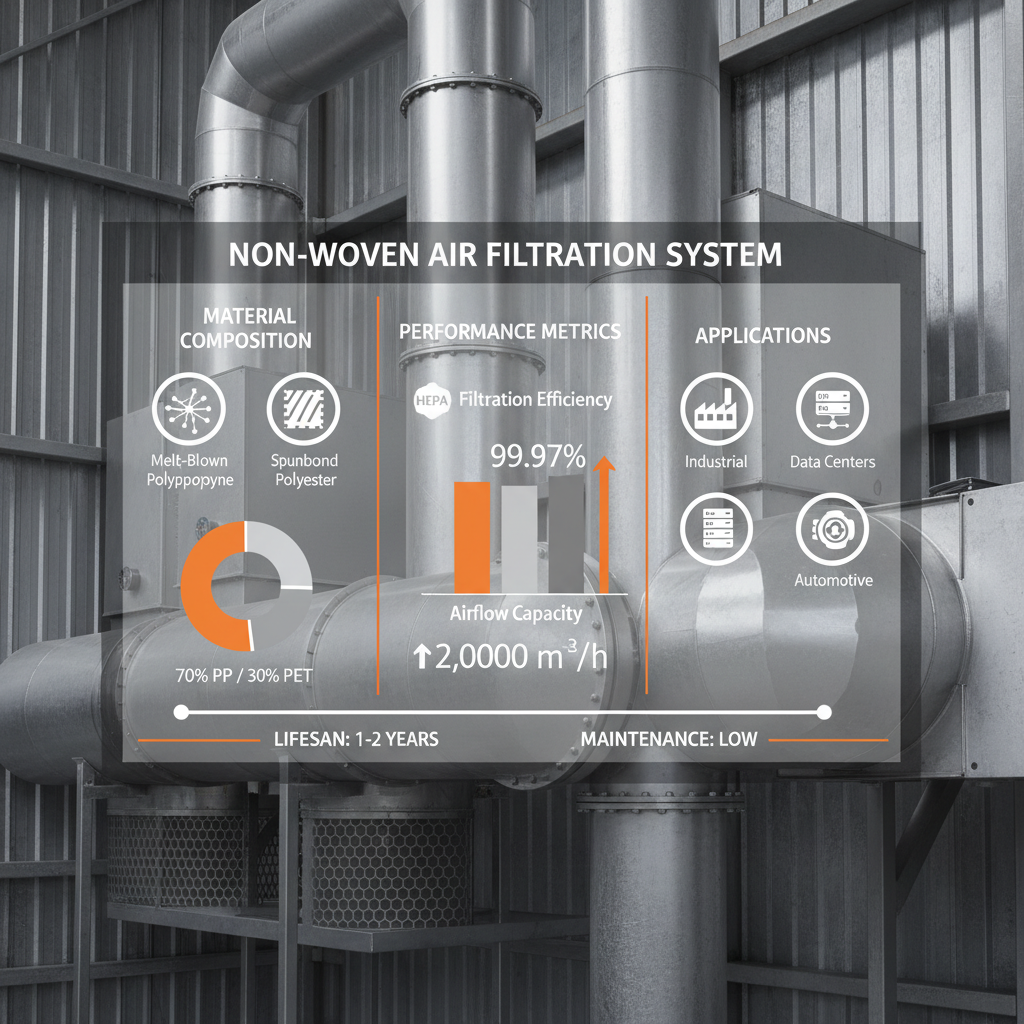
Selecting the appropriate non woven air filter involves considering several factors. These include the filter's MERV (Minimum Efficiency Reporting Value) rating, which indicates its ability to capture particles of different sizes, the airflow requirements of your system, and the specific contaminants you need to remove. It's also important to consider the filter's pressure drop and durability. Consulting with a filtration specialist can help you determine the optimal filter for your unique needs. For more detailed information, explore the range of filters available at Filtersmaterials.com.
Non woven air filters are a vital component of any air purification system. Their efficiency, cost-effectiveness, and versatility make them an ideal choice for a wide range of applications. By understanding the different types of filters and choosing the right one for your needs, you can significantly improve indoor air quality and protect your health. Explore the comprehensive selection of non woven air filters at Filtersmaterials.com today!
The frequency of replacement depends on several factors, including the filter's MERV rating, the level of air pollution, and the system's operating hours. As a general guideline, filters with lower MERV ratings (1-4) should be replaced every 1-3 months, while those with higher ratings (8-13) may last 6-12 months. Regularly inspect your filter for dirt and debris. When it appears clogged, it's time for a replacement. Replacing filters regularly ensures optimal performance and prevents strain on your HVAC system. Ignoring this can lead to reduced airflow, increased energy consumption, and potential damage to your equipment.
MERV, or Minimum Efficiency Reporting Value, is a rating system used to measure the ability of an air filter to capture particles of different sizes. The higher the MERV rating, the more particles the filter can trap. MERV ratings range from 1 to 20. Filters with lower MERV ratings (1-4) primarily capture larger particles like dust and pollen. Filters with higher ratings (8-13) can capture smaller particles like mold spores, bacteria, and even some viruses. Choosing the right MERV rating depends on your specific needs and concerns. For general home use, a MERV 8-13 filter is often recommended.
Generally, non woven air filters are not designed to be washable and reusable. The fibers that make up the filter material can be damaged by washing, reducing its efficiency and potentially releasing trapped particles back into the air. Attempting to wash a non woven filter can also compromise its structural integrity. It’s best to replace non woven filters according to the manufacturer's recommendations. While some filters are marketed as "washable," these are often made of different materials and may not offer the same level of filtration efficiency as traditional non woven filters.
You can purchase high-quality non woven air filters from a variety of sources, including hardware stores, home improvement centers, and online retailers. For a wide selection of filters and expert advice, visit Filtersmaterials.com. We offer a comprehensive range of filters to meet your specific needs, along with detailed product specifications and customer support.