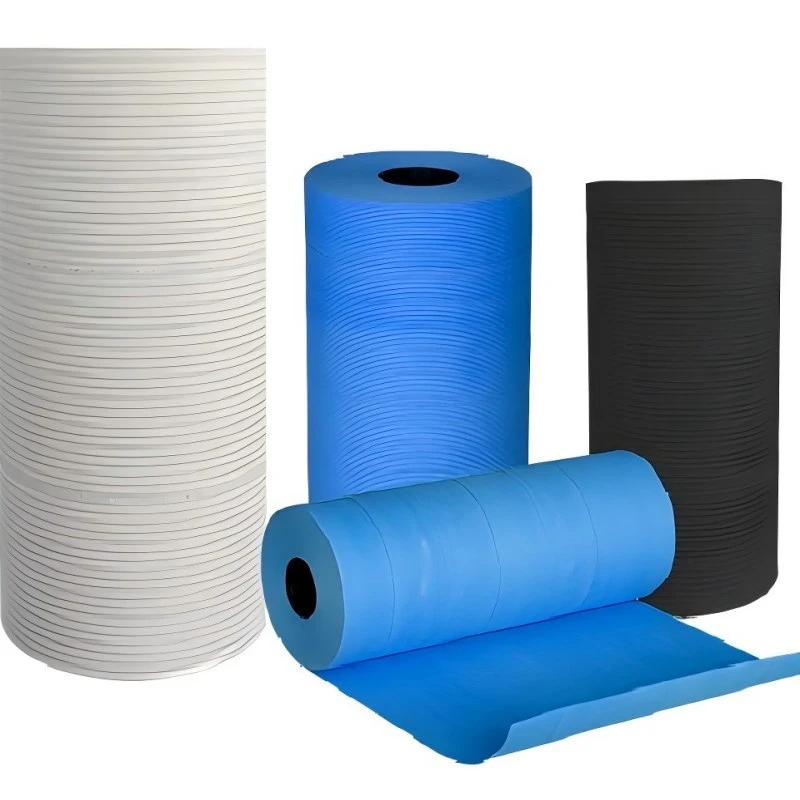
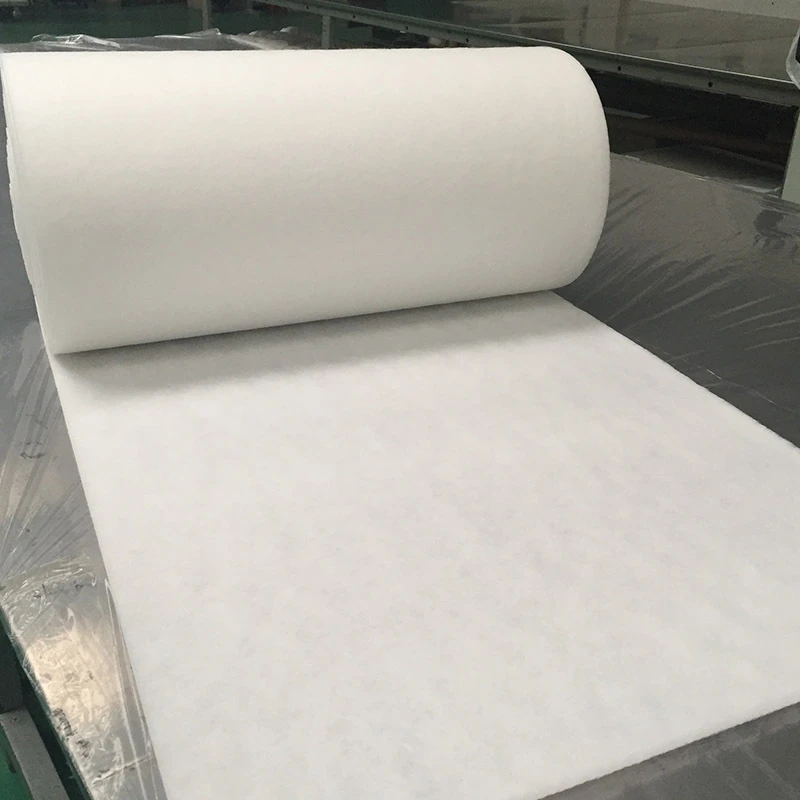
Maintaining clean air is crucial for various applications, from HVAC systems to industrial processes. A blue air filter roll provides an effective and versatile solution for capturing dust, pollen, and other airborne particles. This article will explore the benefits, applications, and considerations when selecting a blue air filter roll to meet your specific needs. We’ll delve into the types of materials used, efficiency ratings, and factors to ensure optimal performance for a healthier environment.
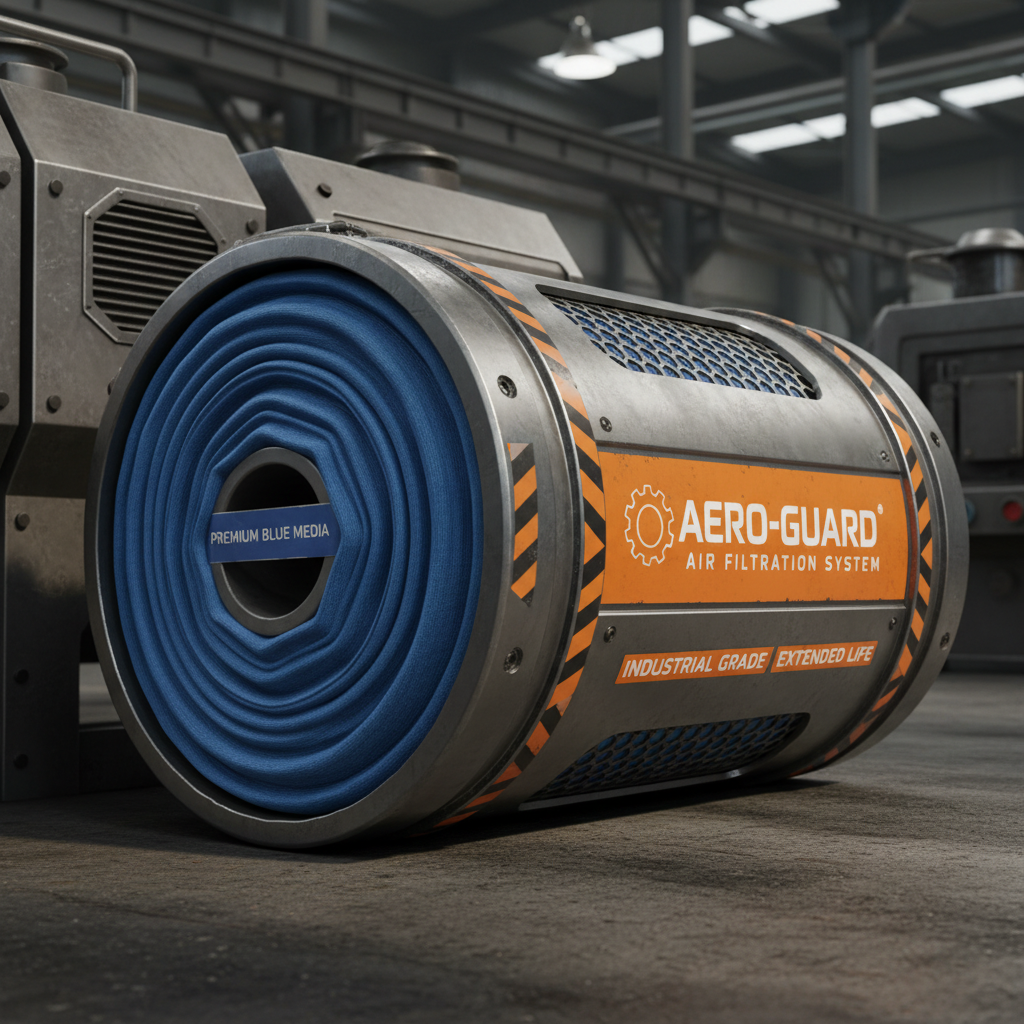
Blue air filter rolls are typically made from polypropylene, a synthetic material known for its durability and efficiency in capturing airborne particles. The polypropylene fibers are thermally bonded together, creating a robust and consistent filter media. Different grades of polypropylene are used to achieve varying levels of filtration. Some rolls incorporate an electrostatic charge to enhance their ability to attract and hold particles. These filters are often a cost-effective solution for pre-filtration, extending the lifespan of more expensive, high-efficiency filters. Filtersmaterials.com offers a wide range of options to suit various applications.
Key Highlights: Polypropylene is a durable and efficient material commonly used in blue air filter rolls, offering a cost-effective filtration solution.
Blue air filter rolls are incredibly versatile and find application in numerous industries. They are frequently used in HVAC systems as a pre-filter to protect more sensitive filters from larger particles. Industrial settings utilize them for dust collection, paint booth filtration, and protecting equipment from contaminants. They are also ideal for residential applications like furnace filters, air purifiers, and range hoods. Furthermore, they can be cut to size, making them adaptable to a wide array of filter frames and systems. Proper application ensures maximum efficiency and extends the life of your filtration system.
Application Benefits:
• HVAC System Pre-filtration
• Industrial Dust Collection
• Paint Booth Filtration
• Residential Air Purification
When choosing a blue air filter roll, understanding efficiency ratings is essential. The Minimum Efficiency Reporting Value (MERV) indicates the filter’s ability to capture particles of varying sizes. Generally, blue air filter rolls fall within the MERV 1-4 range, which is suitable for capturing larger particles like dust, pollen, and lint. Higher MERV ratings indicate more efficient filtration, but also increased airflow resistance. Choosing the correct MERV rating depends on your specific application and the type of particles you need to remove. A lower MERV rating is often sufficient for pre-filtration, while higher ratings are ideal for applications requiring more stringent air quality. Filtersmaterials.com provides detailed specifications for each filter roll, including its MERV rating.
Employing blue air filter rolls provides numerous benefits, including improved indoor air quality, extended lifespan of HVAC systems, and cost-effectiveness. By capturing airborne particles, these filters help reduce allergens, dust mites, and other contaminants, contributing to a healthier living or working environment. Furthermore, they protect sensitive equipment from damage, reducing maintenance costs and downtime. Their versatility and ease of installation make them a practical choice for a wide range of applications. Regular filter replacement is key to maximizing these benefits.
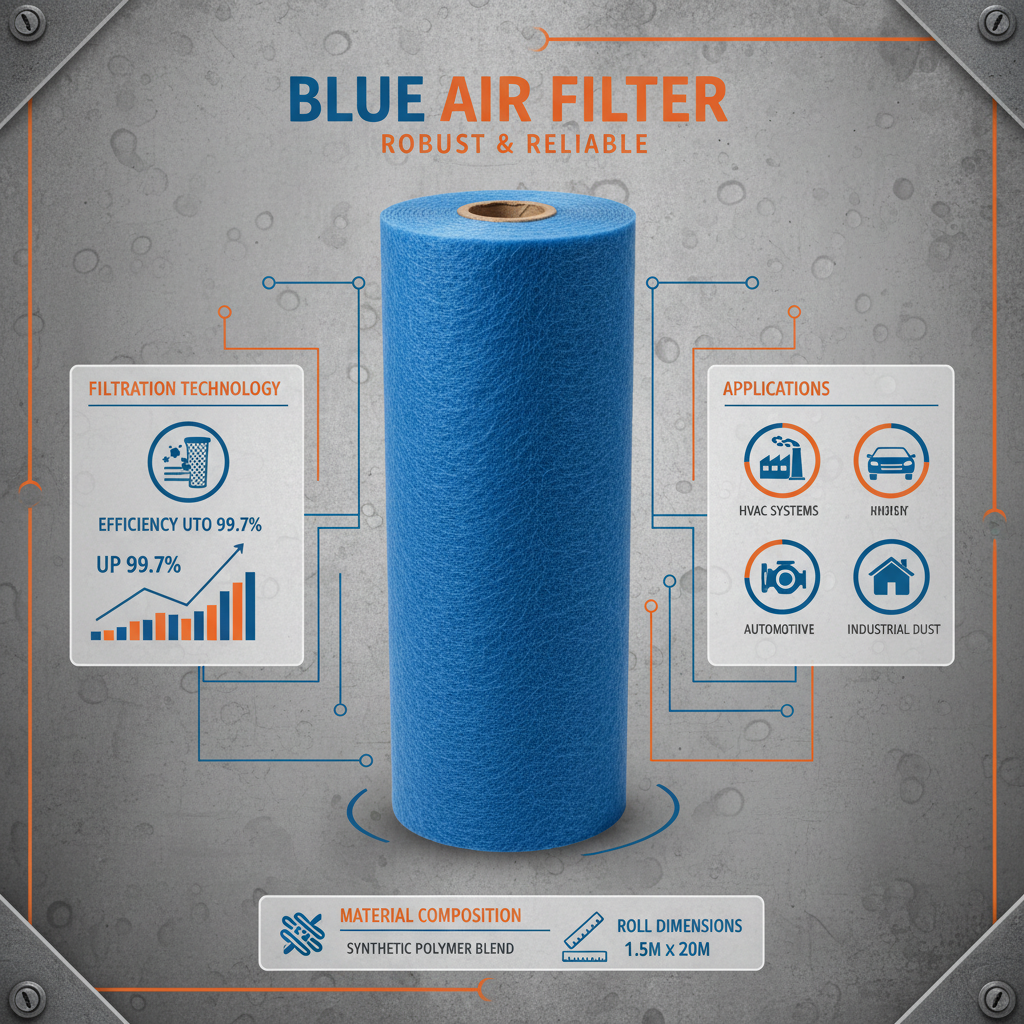
Blue air filter rolls are available in a variety of sizes and thicknesses to accommodate different applications. Common widths range from 1 inch to 4 inches, while thicknesses typically fall between 0.25 inches and 1 inch. Lengths can vary from 50 feet to 100 feet per roll. It's important to choose a roll that matches the dimensions of your filter frame or system. Consider the airflow requirements and the amount of dust and debris in your environment when selecting the appropriate thickness.
A blue air filter roll is a smart and affordable solution for maintaining optimal air quality in a variety of settings. By choosing the right material, efficiency rating, and dimensions, you can ensure effective filtration and protect your health and equipment. Browse the extensive selection at Filtersmaterials.com to find the perfect filter for your needs.
The frequency of replacement depends on factors like air quality, usage, and filter thickness. Generally, it's recommended to replace the filter every 1-3 months. Regularly inspect the filter for visible dirt and debris. If the filter appears clogged or discolored, it's time for a replacement. Replacing the filter on a consistent schedule ensures optimal airflow and filtration efficiency. Ignoring this can put a strain on your HVAC system and reduce indoor air quality.
No, blue air filter rolls are designed for single-use only. Washing or attempting to reuse a filter can damage the delicate fibers, reducing its efficiency and potentially releasing trapped particles back into the air. The electrostatic charge, if present, will also be diminished. It's more cost-effective and hygienic to replace the filter regularly with a new one.
A sharp utility knife or scissors can be used to cut a blue air filter roll to the desired size. Measure carefully and mark the cut line with a pen or marker. For a clean cut, use a straight edge as a guide. Be mindful of the direction of the fibers when cutting to avoid fraying. Ensure you wear gloves to avoid skin irritation.