Comprehensive Guide to Non Woven Air Filter Media and Its Applications

  • Home
  • news
  • Comprehensive Guide to Non Woven Air Filter Media and Its Applications
Comprehensive Guide to Non Woven Air Filter Media and Its Applications
Mar . 09, 2026

Understanding Non Woven Air Filter Media

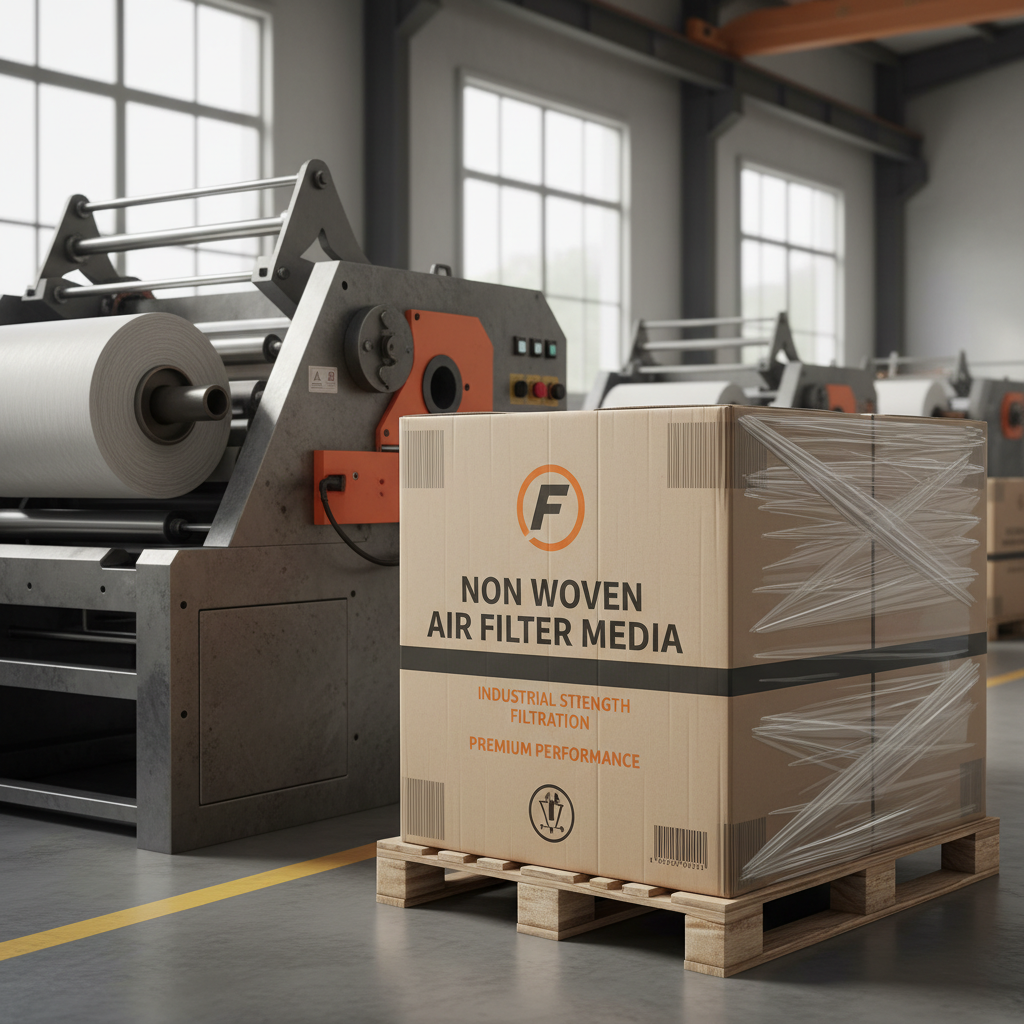
In today’s world, maintaining clean air quality is crucial for both human health and industrial processes. Non woven air filter media plays a vital role in achieving this, offering efficient and cost-effective filtration solutions. This article will delve into the properties, applications, and benefits of non woven filter media, providing a comprehensive understanding for professionals and individuals seeking effective air filtration solutions. From HVAC systems to industrial manufacturing, we'll explore how this material ensures cleaner, healthier environments.
Comprehensive Guide to Non Woven Air Filter Media and Its Applications

What is Non Woven Air Filter Media?

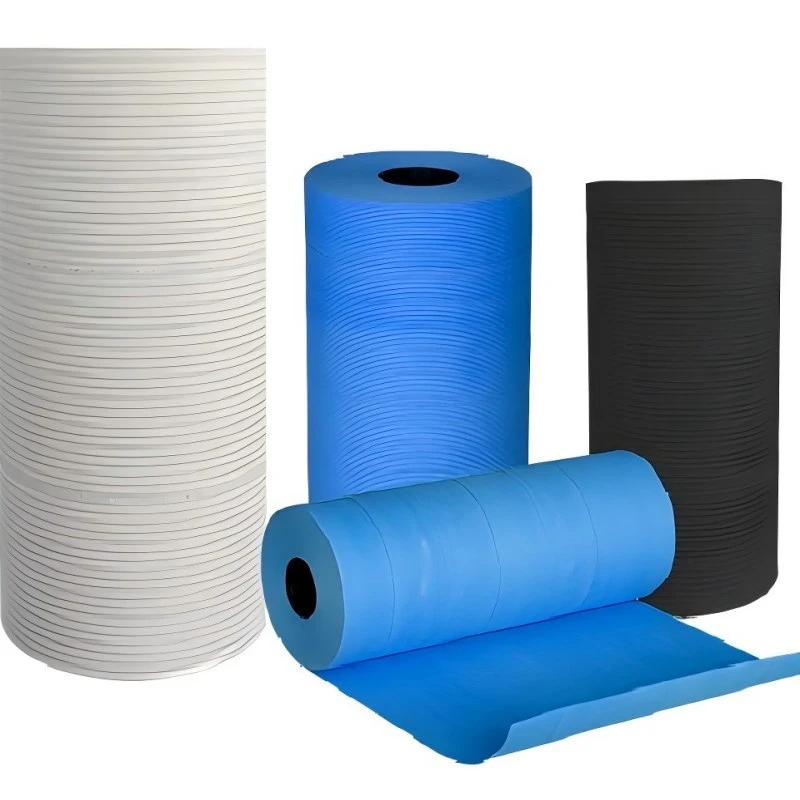
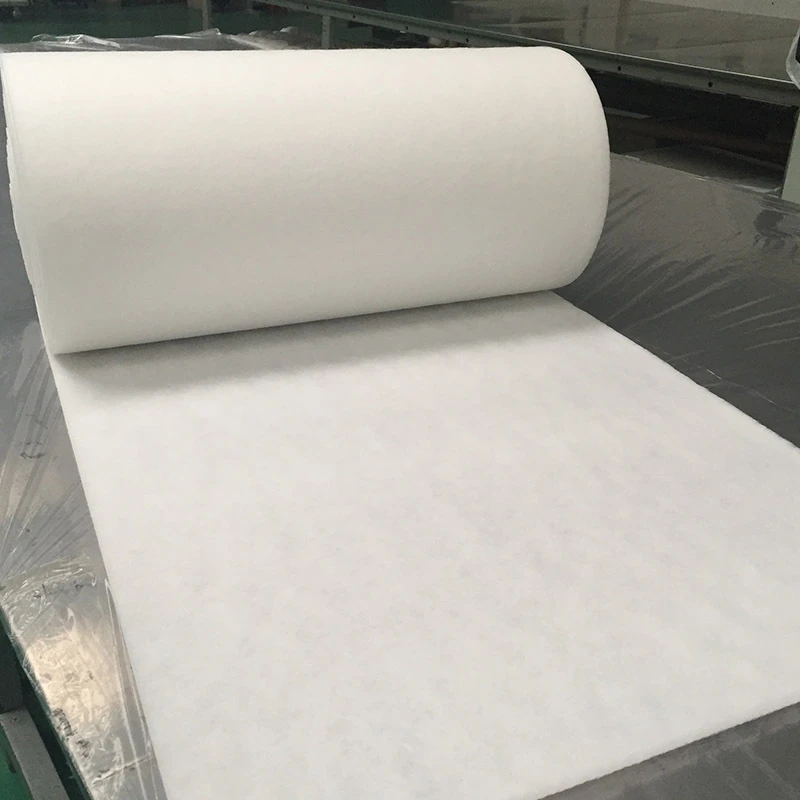
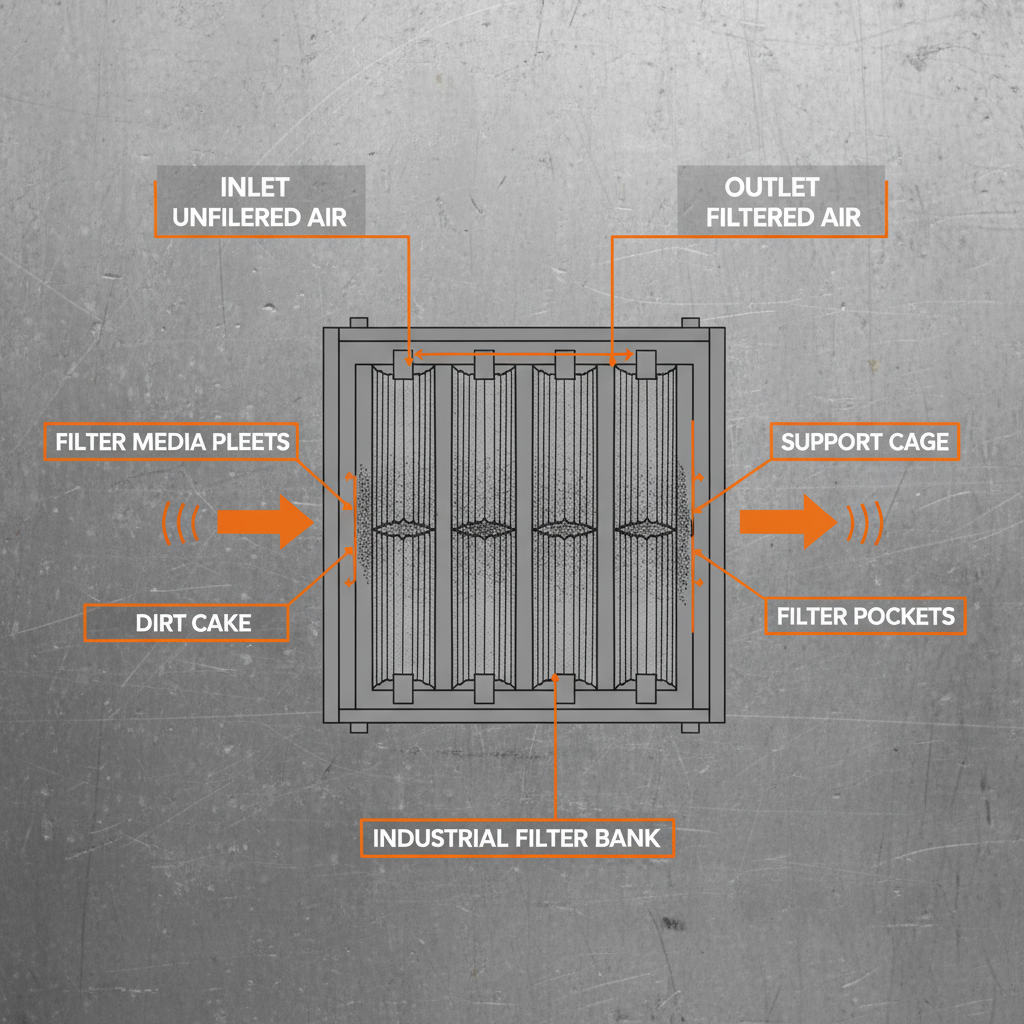
Non woven air filter media is a fabric-like material created from fibers bonded together through mechanical, thermal, or chemical processes, rather than traditional weaving or knitting. This construction provides a unique set of characteristics ideal for air filtration. Unlike woven materials, non woven fabrics have a more random fiber orientation, resulting in a higher surface area and greater dust-holding capacity. This makes them exceptionally effective at capturing airborne particles, ranging from dust and pollen to more hazardous contaminants. Filtersmaterials.com offers a wide range of these media to meet diverse filtration needs.

Key Highlights: High surface area, excellent dust-holding capacity, and cost-effectiveness make it an ideal choice for a wide range of air filtration applications.

Types of Non Woven Filter Media

There are several types of non woven filter media, each with unique properties and applications. These include:

  • Spunbond: Known for its strength and durability, ideal for pre-filters.
  • Meltblown: Offers a very fine fiber structure, providing excellent filtration efficiency for capturing small particles.
  • Needle-punched: Provides good loft and dust-holding capacity, suitable for a variety of applications.
  • Thermally Bonded: Offers a balance of strength and filtration efficiency.

The selection of the appropriate media depends on the specific filtration requirements of the application.

Applications of Non Woven Air Filter Media

The versatility of non woven air filter media makes it suitable for a wide range of applications, including:

  • HVAC Systems: Used in air conditioning and heating systems to improve indoor air quality.
  • Automotive Filters: Employed in cabin air filters and engine air filters.
  • Industrial Filtration: Used in manufacturing plants to remove dust and pollutants from the air.
  • Medical Applications: Utilized in respirators and surgical masks.
  • Cleanrooms: Ensures a controlled environment with minimal particulate contamination.

The ability to customize the media's properties makes it adaptable to various filtration challenges across different industries.

Non Woven Air Filter Media: Performance Comparison

Comparing non woven filter media to traditional filtration materials reveals its distinct advantages. Here's a table illustrating a performance comparison:

Feature Non Woven Media Traditional Woven Media
Filtration Efficiency High (especially Meltblown) Moderate
Dust Holding Capacity Excellent Good
Air Permeability Good to Excellent Moderate
Cost Cost-Effective Generally Higher

Benefits of Using Non Woven Air Filter Media

Choosing non woven filter media offers numerous benefits:

  • High Efficiency: Effectively captures a wide range of airborne particles.
  • Low Pressure Drop: Minimizes energy consumption and maintains airflow.
  • Cost-Effectiveness: Provides a budget-friendly filtration solution.
  • Lightweight: Easy to handle and install.
  • Customizable: Can be tailored to specific filtration needs.

Conclusion

Non woven air filter media represents a significant advancement in air filtration technology. Its efficiency, cost-effectiveness, and versatility make it an ideal solution for a diverse range of applications. For high-quality non woven air filter media and expert guidance, Filtersmaterials.com is your trusted partner.

Frequently Asked Questions (FAQs)

What is the MERV rating of non woven filter media?

MERV (Minimum Efficiency Reporting Value) ratings vary depending on the type and density of the non woven media. Generally, spunbond media has lower MERV ratings (typically 1-4), suitable for pre-filtration. Meltblown media can achieve much higher MERV ratings (up to MERV 13 or higher), making it effective for capturing fine particles. The specific MERV rating will depend on the manufacturing process and the fiber characteristics. Filtersmaterials.com provides detailed specifications, including MERV ratings, for all our products.

How often should non woven air filters be replaced?

The replacement frequency depends on the environment and the amount of particulate matter in the air. In typical residential HVAC systems, filters should be replaced every 1-3 months. In industrial settings with high dust levels, more frequent replacements (weekly or monthly) may be necessary. Visually inspect the filter regularly; if it appears dirty or clogged, it should be replaced. Replacing filters regularly ensures optimal airflow and filtration efficiency.

Is non woven filter media recyclable?

The recyclability of non woven filter media varies. Some types of non woven fabrics, particularly those made from polypropylene, can be recycled, but it requires specialized facilities. However, due to contamination from collected particles, recycling is often challenging. It’s best to check with local recycling facilities to determine if they accept non woven filter media. Proper disposal in landfills is generally the most common practice.

What are the advantages of meltblown non woven media?

Meltblown non woven media stands out for its exceptional filtration efficiency due to its very fine fiber diameter and random web structure. This allows it to capture even the smallest particles, making it ideal for applications requiring high air quality, such as medical respirators, HVAC systems, and cleanrooms. It also offers good pressure drop characteristics and is relatively cost-effective. Explore our meltblown media options at Filtersmaterials.com.
Share:
Best Air Filter Material for Ducted Air Conditioner Systems
Selecting the Best Air Filter Material for Ducted Air Conditioner Systems Maintaining indoor air quality in commercial and industrial settings depends heavily on the efficiency of the filtration system. Choosing the right air filter material for ducted air conditioner units is critical to ensuring a balance between high particle capture and optimal airflow. From nanofiber composites to high-strength wood pulp paper, the materials pore size and breathability directly impact energy consumption and equipment longevity. In this guide, we will explore the technical specifications and material choices that allow HVAC professionals to optimize their air purification strategies for diverse environments.
Premium High Performance Ducted Air Conditioner Filter Material
Maintaining indoor air quality is critical for both residential comfort and industrial efficiency. The selection of the right ducted air conditioner filter material is the first line of defense against airborne pollutants, dust, and allergens. In complex HVAC systems, the filter material must balance high filtration efficiency with low air resistance to prevent strain on the blower motor. Whether it is for a high-rise office or a manufacturing plant, using a professional-grade synthetic material ensures that the air entering the ventilation ducts remains pristine. This guide explores the technical aspects and selection criteria for premium filtration media.
Industrial Guide to High Efficiency air filter media types
Exploring Air Filter Media Types: A Comprehensive Guide for Industrial Filtration Selecting the correct filtration material is critical for maintaining air quality and ensuring the longevity of industrial machinery. Understanding the various air filter media types allows engineers and procurement specialists to optimize airflow, minimize pressure drops, and maximize particle capture efficiency. From basic synthetic fibers to advanced laminated composites, the choice of media directly impacts the operational cost and environmental compliance of a facility. In this guide, we will examine the technical nuances of different media and how to choose the right one for your specific application.

If you are interested in our products, you can choose to leave your information here, and we will be in touch with you shortly.