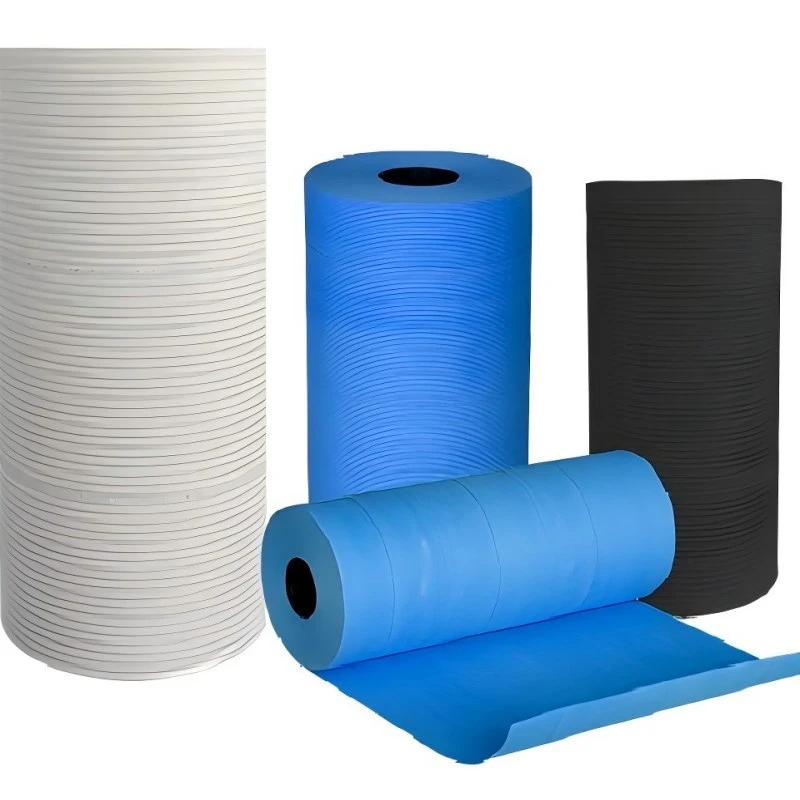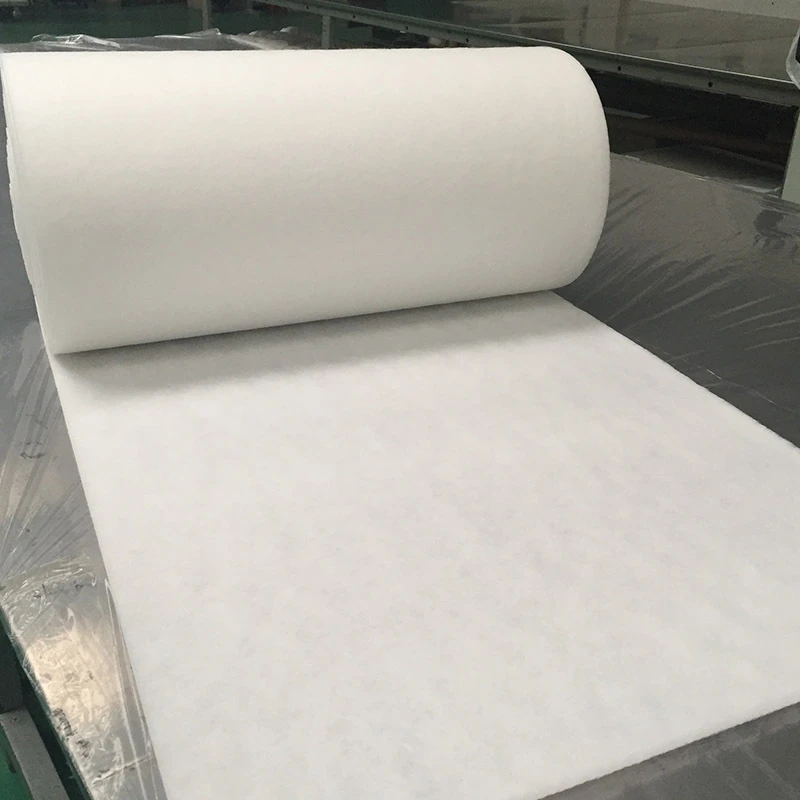
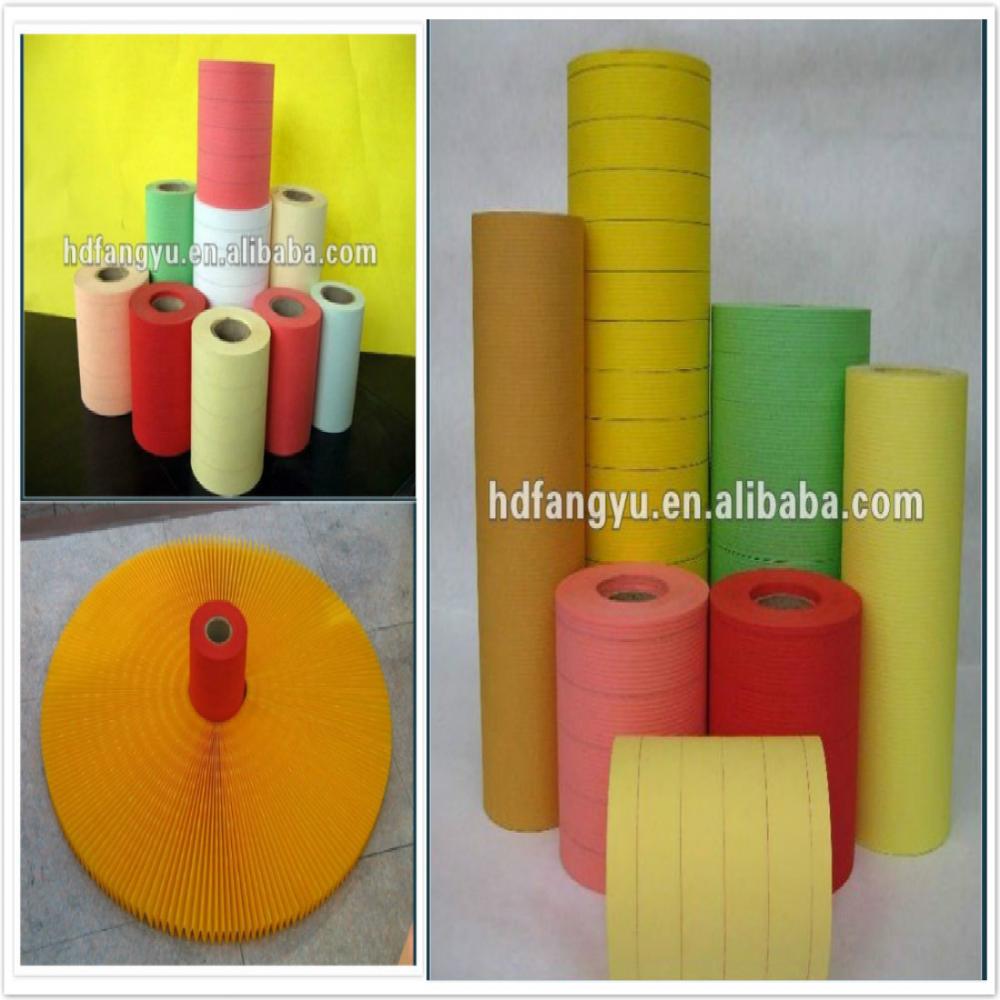
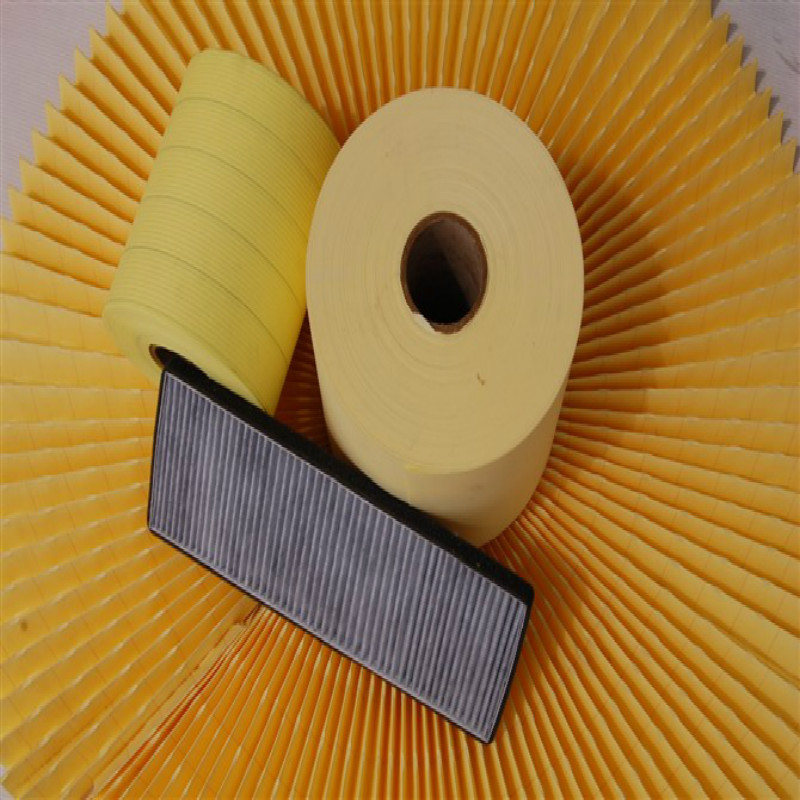
Papier filtre à air

Papier filtre à air

Matériau : résine acrylique, cellulose, pâte de bois

Papier filtre à air pour turbine à gaz

Domaine d'application automobile

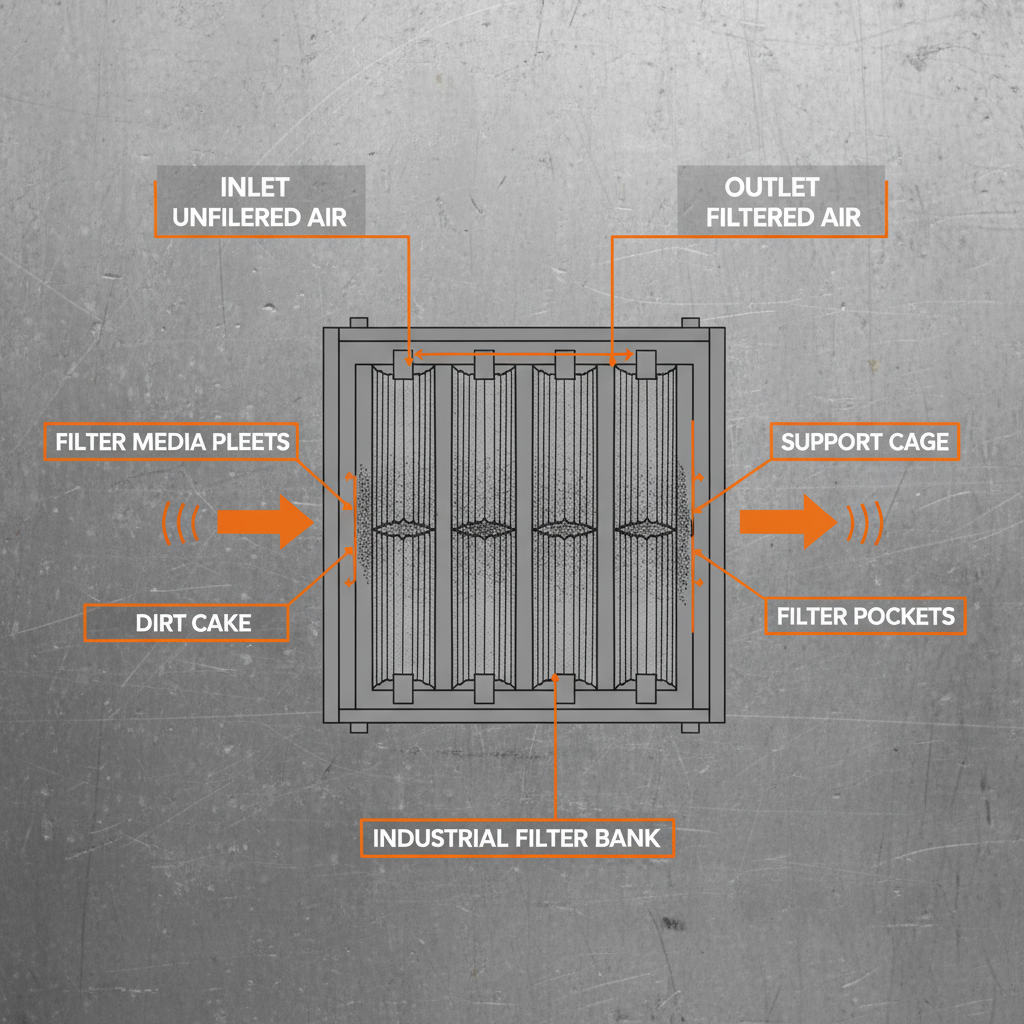
Le papier filtre à air est utilisé dans les filtres à air des voitures et des camions pour garantir la propreté de l'air entrant dans le moteur. Les camions fonctionnant dans des environnements plus difficiles que les voitures et protégeant des moteurs plus coûteux, leur papier filtre est généralement plus épais et offre une meilleure efficacité de filtration.


Paramètres du produit


POIDS DE BASE 

100-280

G/M2

ÉPAISSEUR 

0.35-1.1

MM

PERMÉABILITÉ À L'AIR

35-1000

L/M2*SEC

TAILLE DES PORES

30-115

UN

RÉSISTANCE À L'ÉCLATEMENT 

200-600

KPA

ONDULATION

0.15-0.5

MM

TENEUR EN RÉSINE

10-28

%


What People Say About Air Filter Paper
Sam Brooks
Our customers demand longevity, and Hebei Fangyu’s automotive air filter paper delivers exactly that. We’ve seen a significant reduction in engine wear during teardown inspections since switching to their media. The dust-holding capacity is far beyond standard cellulose, making it the most reliable car air filter paper for our premium service kits.
Leo Martin
Operating a rental fleet in dusty, arid conditions is a challenge for any intake system. This car air filter paper has been a lifesaver. It maintains high airflow while trapping fine silica dust that usually bypasses lower-quality filters. It’s the only automotive air filter paper we’ve found that doesn't clog prematurely in extreme environments.
Paul Reed
As an OEM supplier, consistency is our top priority. The rolls of automotive air filter paper we receive from Hebei Fangyu are perfectly uniform in thickness and permeability. This stability allows our pleating machines to run at maximum speed without tearing or misalignment. They are our go-to partner for high-volume car air filter paper production.
Tom Evans
In the logistics business, every drop of fuel counts. By using filters made with this specialized car air filter paper, our trucks breathe easier, which has led to a measurable improvement in MPG across our fleet. It’s a high-efficiency automotive air filter paper that pays for itself through reduced fuel consumption and fewer filter changes.
Luke Carter
I’ve worked with many automotive air filter paper suppliers over the years, but the tensile strength of Hebei Fangyu’s media is truly impressive. Even under high humidity, the car air filter paper doesn't soften or lose its pleat shape. It provides a level of structural integrity that is essential for heavy-duty industrial and automotive applications.
Comprehensive Guide to Bulk Furnace Filter Material for Optimal HVAC Performance
Furnace filters are vital for maintaining indoor air quality and ensuring the efficient operation of your heating system. For businesses and large-scale operations, sourcing bulk furnace filter material offers cost savings and convenience. This article will delve into the different types of furnace filter materials available, their applications, benefits of buying in bulk, and factors to consider when making a purchase. We’ll explore how selecting the right material can optimize your HVAC system’s performance and contribute to a healthier environment. Several materials are used in furnace filter construction, each offering varying levels of filtration and airflow. Common options include fiberglass, pleated paper, and electrostatic filters. Fiberglass filters are the most economical, but they offer minimal filtration. Pleated filters, constructed from paper or synthetic material, provide a larger surface area and capture more particles. Electrostatic filters utilize charged fibers to attract and trap airborne contaminants. Understanding the differences is key to selecting the right furnace filter material for your specific needs.
Choosing the Best Bulk Air Filter Media for Optimal Air Quality and System Performance
Selecting the appropriate bulk air filter media is crucial for maintaining air quality in various applications, from HVAC systems to industrial processes. The right media ensures efficient particle removal, protects sensitive equipment, and contributes to a healthier environment. This article will guide you through the different types of air filter media, their applications, and factors to consider when making a purchase. Understanding the nuances of each type will help you choose the most effective and cost-efficient solution for your specific requirements. There's a wide variety of bulk air filter media available, each with its own strengths and weaknesses. Common types include synthetic fibers (polyester, polypropylene), fiberglass, and pleated filters. Synthetic media is often preferred for its consistent quality, low pressure drop, and resistance to moisture. Fiberglass, while cost-effective, can release particles over time. Pleated filters offer a large surface area for efficient particle capture but can have higher pressure drops. The Minimum Efficiency Reporting Value (MERV) rating is a crucial indicator of a filter's ability to capture airborne particles.
Optimizing Filtration Systems with the Right PreFilter Media Selection
Selecting the appropriate pre-filter media is crucial for extending the life of your downstream filters and ensuring efficient filtration processes. This article explores the benefits of pre-filtration, the different types of media available, and how to choose the best option for your specific needs. We'll cover key considerations like particle size, airflow requirements, and cost-effectiveness. Investing in the right pre-filter media protects your valuable equipment and optimizes overall system performance. Pre-filter media acts as the first line of defense in a filtration system, removing larger particles from the air or liquid stream before they reach more sensitive and expensive filters. This significantly extends the lifespan of those downstream filters, reducing replacement costs and downtime. Without pre-filtration, these filters can quickly become clogged, leading to reduced airflow, increased pressure drop, and compromised filtration efficiency. It’s a cost-effective way to maintain system integrity and protect valuable equipment. Think of it as a guard protecting the gatekeeper. Several types of pre-filter media are available, each with its own strengths and weaknesses. Common options include spunbond polyester, polypropylene, pleated filters, and foam filters.

Si vous êtes intéressé par nos produits, vous pouvez choisir de laisser vos informations ici et nous vous contacterons sous peu.