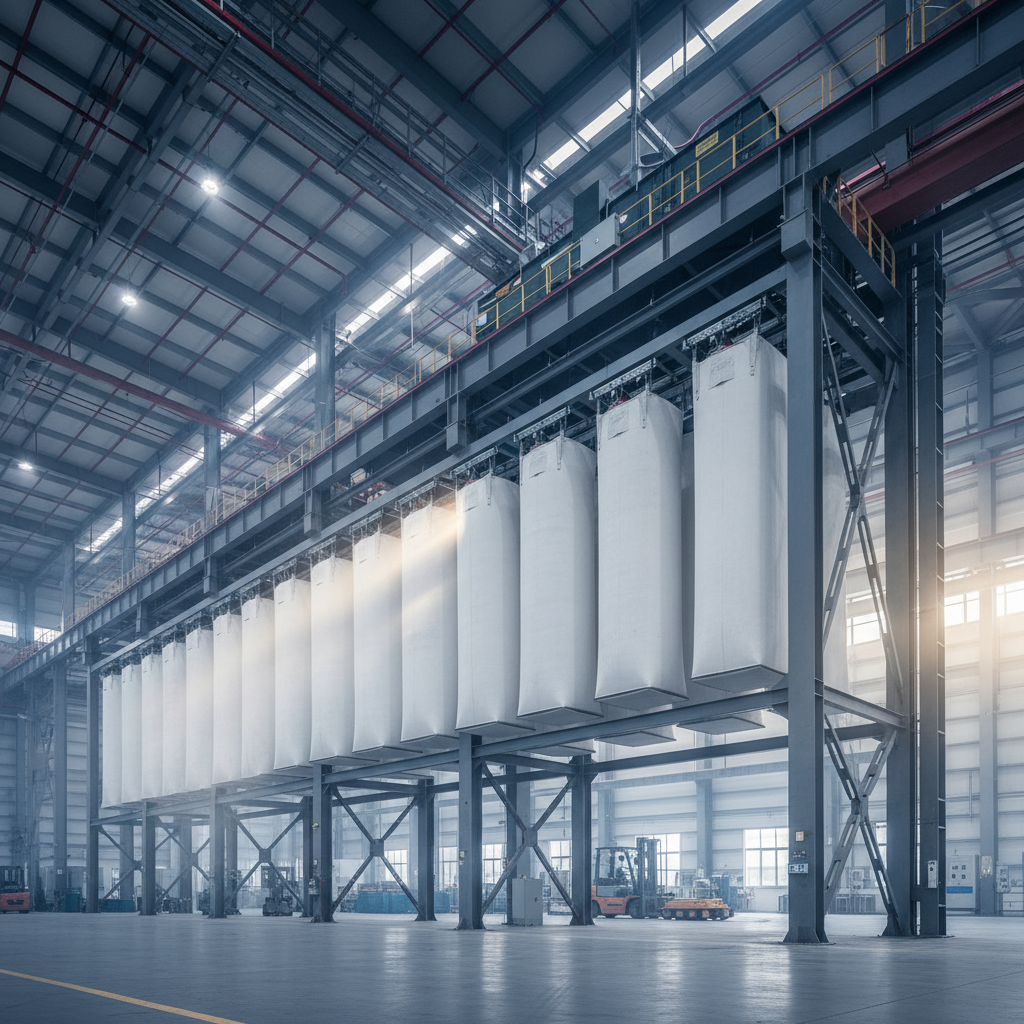
Industrial Air Filter Media in the Industrial Landscape
In the heart of the global manufacturing sector, the invisible byproduct of progress is often particulate matter. From the fine metallic dust generated in precision machining to the complex chemical vapors released during large-scale synthesis, industrial environments are inherently challenging. The safety of the workforce, the longevity of expensive machinery, and the compliance with environmental regulations all hinge on the effectiveness of a facility's air purification strategy. At the center of this effort is industrial air filter media, a highly specialized category of materials engineered to operate where standard filtration fails.
As industries move toward "Industry 4.0" and higher levels of automation, the tolerance for contamination has plummeted. In electronics manufacturing, a single microscopic speck of dust can short-circuit a semiconductor; in chemical plants, unmanaged dust can lead to explosive atmospheres. Therefore, the implementation of advanced filtration is not merely a maintenance task—it is a core pillar of operational integrity. By utilizing high-quality synthetic substrates and laminated structures, modern workshops can achieve a level of "clean and stable airflow" that was previously unattainable, ensuring that the wheels of industry turn without the friction of environmental pollutants.
Advanced Protection with Non Woven Synthetic Filter Media
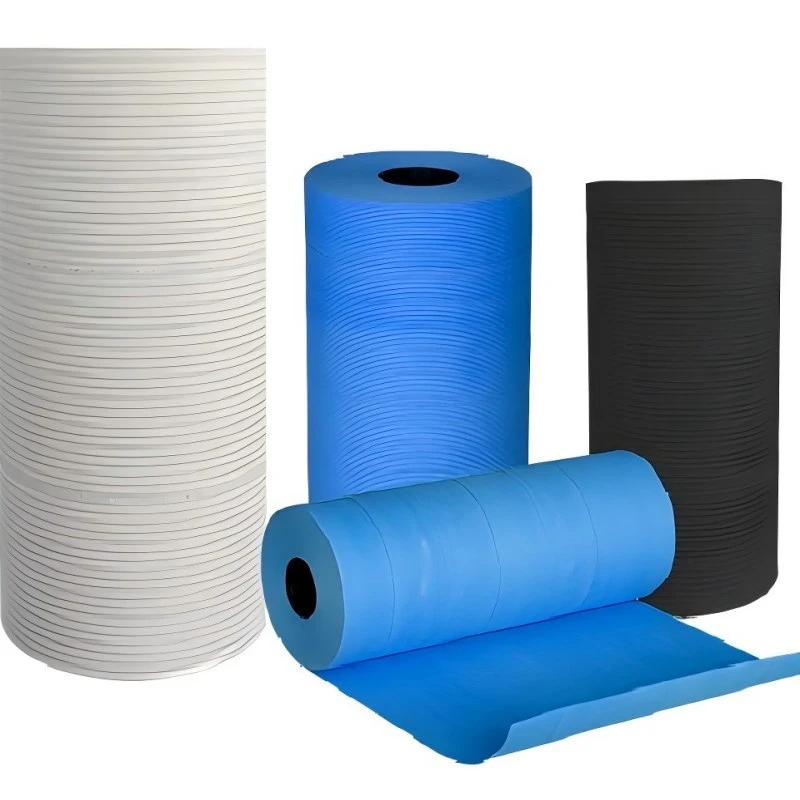
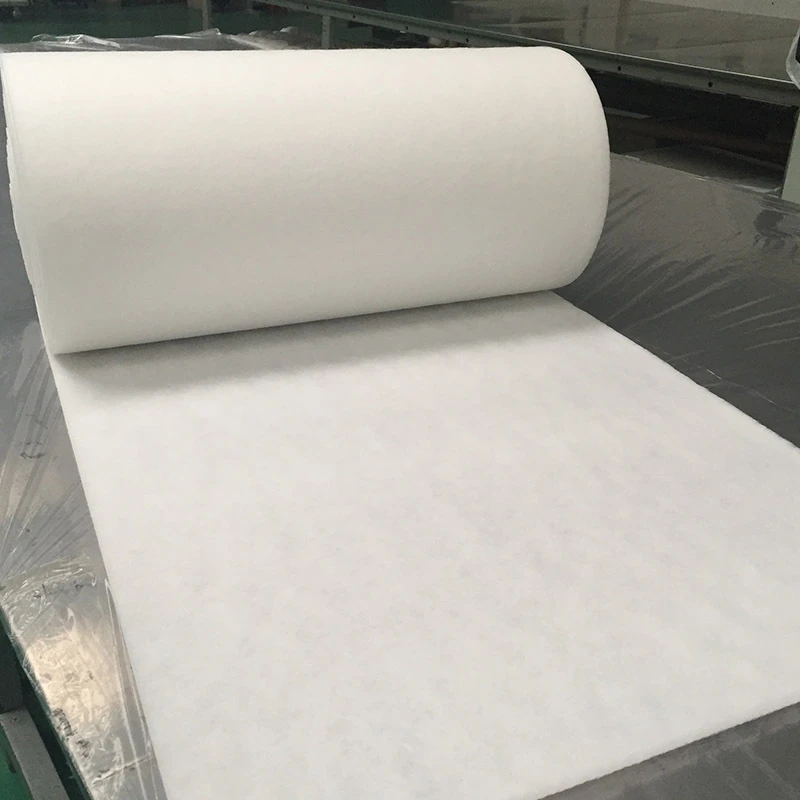
The backbone of modern dust collection systems is found in the application of non woven synthetic filter media. Unlike traditional woven fabrics, which rely on a regular interlacing of yarns, non-woven materials are created by bonding fibers together through mechanical, thermal, or chemical processes. This creates a complex, three-dimensional "tortuous path" for contaminated air to navigate. This structure is particularly effective in general industrial workshops and metal processing facilities where a high volume of coarse and fine dust is generated simultaneously.
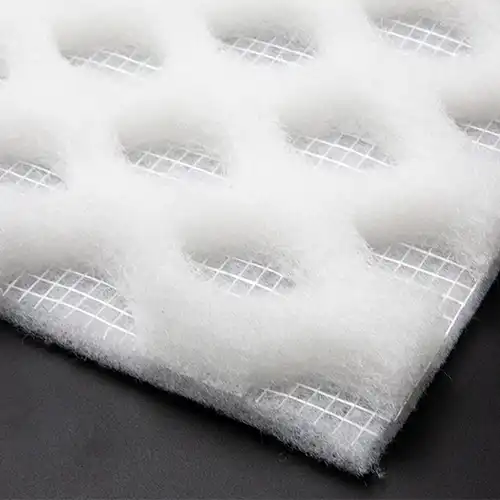
The inherent advantage of non woven synthetic filter media lies in its durability and resistance to the harsh conditions of a factory floor. In metal processing, for instance, air often carries sharp-edged shavings and sparks. Synthetic fibers like polyester or polypropylene are chosen for their high tensile strength and their ability to resist moisture and chemicals. When these fibers are engineered into a non-woven mat, they provide a deep loading capacity, meaning they can trap particles throughout the entire thickness of the material rather than just on the surface. This prevents the rapid "blinding" or clogging of the filter, which is essential for maintaining a stable airflow across a 24-hour production cycle. Furthermore, the ability to laminate these materials with wire mesh backing ensures that they maintain their structural integrity even under the high-pressure suction common in industrial vacuum systems.
Precision Performance: The Impact of Industrial Air Filter Media
When we look closer at specialized sectors like electronics manufacturing and chemical processing, the requirements for industrial air filter media become even more exacting. These environments require a delicate balance between high efficiency and low resistance. In electronics, the air must be virtually free of particles to protect sensitive silicon wafers, while in chemical plants, the media must often withstand corrosive fumes without degrading.
High-performance industrial air filter media is often designed with a gradient density. This engineering feat allows the media to capture larger particles on the outer layers while the innermost layers trap the finest sub-micron pollutants. This staged filtration is critical for "air purification," as it ensures that the most expensive "final stage" filters are not overwhelmed by large debris. In these high-stakes environments, the stability of the airflow is paramount; even a minor fluctuation in pressure can disrupt the calibrated environments of cleanrooms or chemical reactors. By selecting the correct grade of synthetic media, facility managers can guarantee that their air quality remains consistent, protecting both the product and the personnel.
Optimizing Finish Quality with Industrial Paint Booth Filters
One of the most demanding applications for air filtration is found in coating lines and finishing departments. Whether it is a furniture factory or an aerospace assembly plant, the quality of the final coat depends entirely on the purity of the air. This is where industrial paint booth filters play a transformative role. In a coating line, the filtration system must perform two distinct tasks: it must clean the incoming air to prevent defects on the workpiece, and it must capture the "overspray" to protect the exhaust fans and the external environment.
The use of industrial paint booth filters specifically designed for heavy-duty applications ensures that the "finish" remains flawless. In these systems, the media must be able to hold a significant weight of paint or powder without collapsing or allowing "bypass"—where contaminated air escapes around the edges of the filter. Advanced synthetic media used in these booths is often treated with a "tackifier," a specialized substance that makes the fibers sticky, ensuring that once a paint droplet or powder particle hits the fiber, it stays there. This level of capture efficiency is what separates a world-class coating facility from one plagued by reworks and quality control issues. By maintaining a clean and stable airflow through the booth, these filters also ensure that the coating dries evenly and that hazardous VOCs are directed toward the appropriate treatment systems.
Sustaining High Output with Powder Coating Pocket Filters
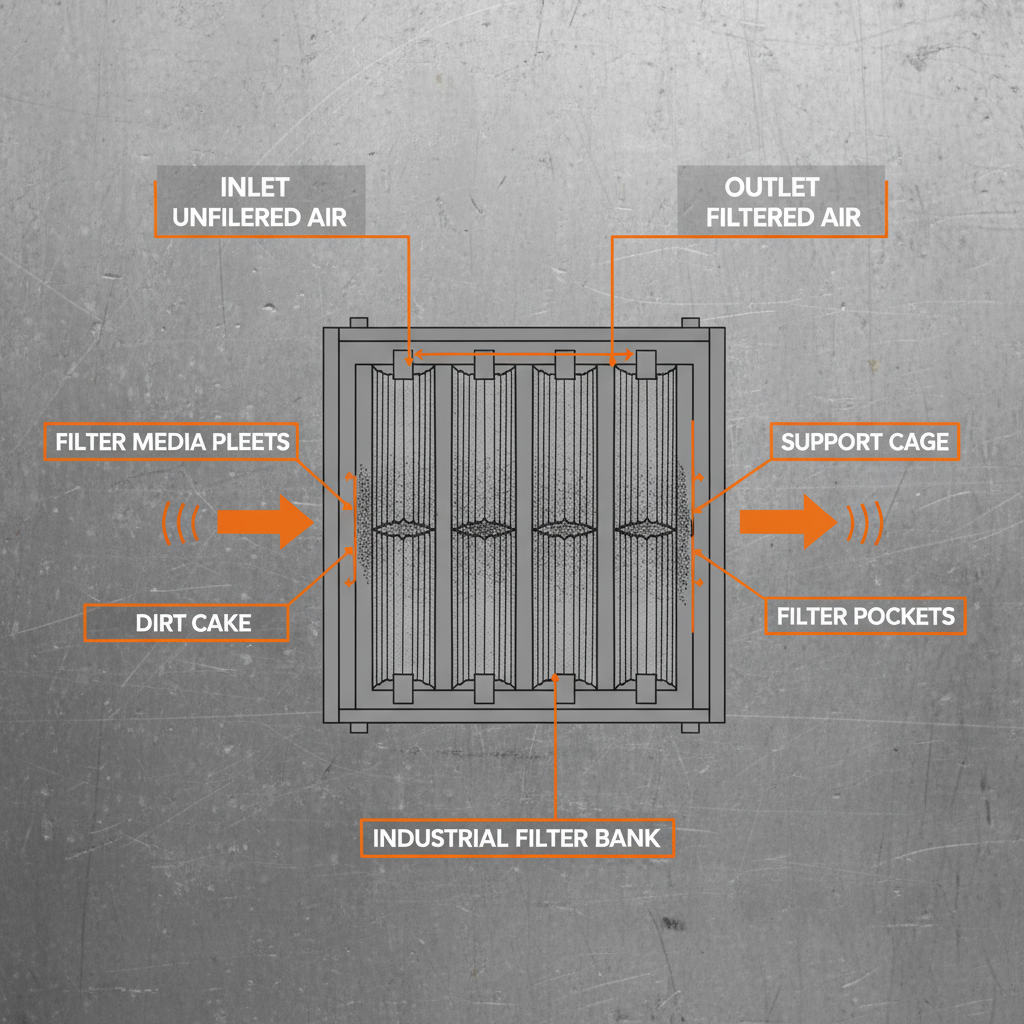
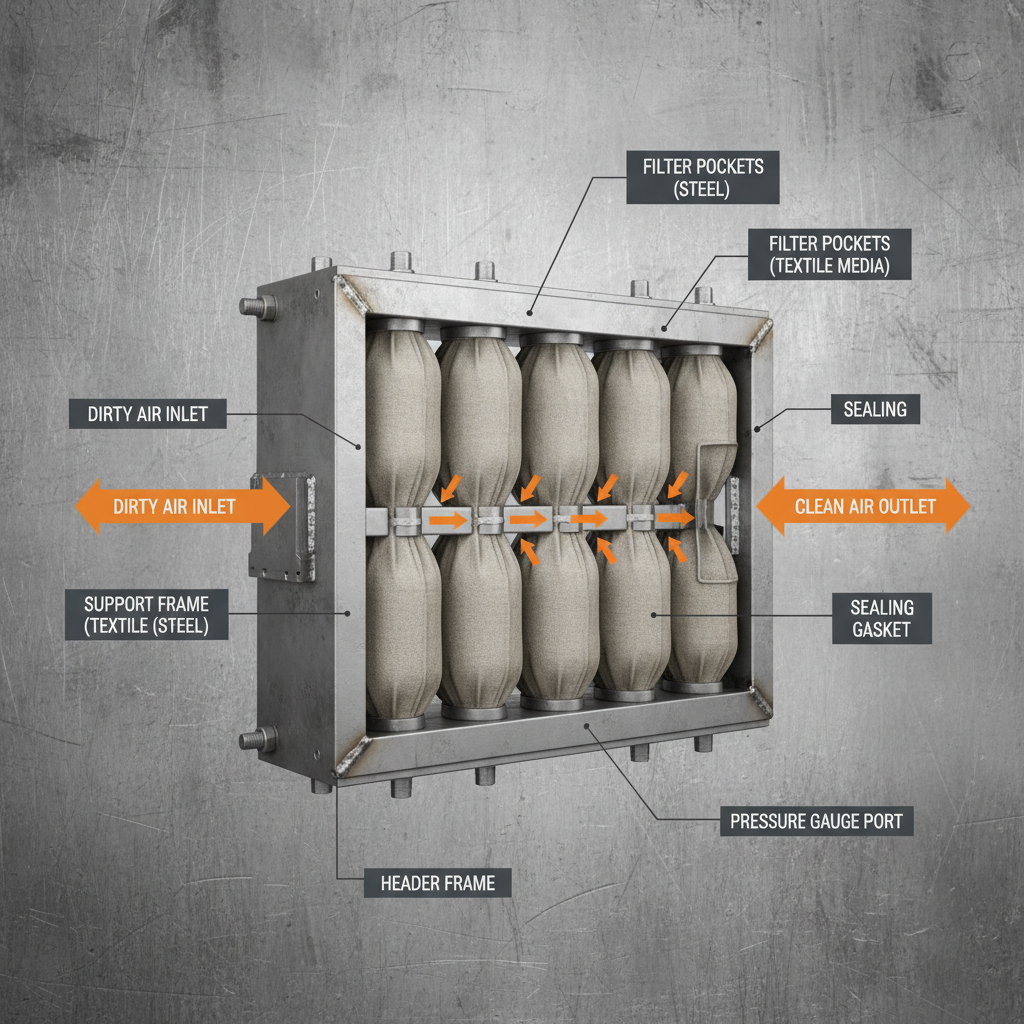
In the specific niche of powder coating, the challenges are unique. Unlike liquid paint, powder coating involves dry plastic resins that are electrostatically sprayed onto parts. Any powder that doesn't stick to the part must be reclaimed or filtered out to prevent it from migrating to other parts of the plant. Powder coating pocket filters (also known as bag filters) are the preferred solution for this task due to their immense surface area.
The "pocket" or "bag" design allows for a large volume of air to pass through at a lower velocity, which is crucial for capturing fine powder particles. These powder coating pocket filters are typically made from high-grade synthetic media that can be easily cleaned or "pulsed" by the dust collection system. In a busy industrial workshop, the ability of these filters to shed the dust cake and return to a low-pressure state is vital for energy efficiency. If the filters become permanently clogged, the energy required to pull air through the system skyrockets. By utilizing high-quality pocket filters, companies can maintain a continuous production line, reclaiming valuable powder and ensuring that the exhaust air is pristine.