Activated Carbon and Polypropylene Air Filter Media in Domestic Wellness
For decades, the concept of environmental protection focused almost exclusively on the "great outdoors"—the reduction of industrial smog and the preservation of the ozone layer. However, modern scientific research has shifted the focus significantly closer to home. With people spending the vast majority of their time inside residential and commercial buildings, the air we breathe within these four walls has a profound impact on our long-term health and cognitive performance. This realization has sparked a revolution in the design of air purifiers, moving them from niche appliances to essential household fixtures.
At the center of this domestic health movement are the advanced materials that make purification possible. It is no longer sufficient to merely "circulate" air; the goal is now to actively scrub it of invisible threats. To achieve this, engineers rely on a dual-pronged approach: the mechanical capture of fine particulates and the chemical adsorption of gaseous pollutants. This synergy is primarily made possible through the use of polypropylene air filter media and specialized carbon substrates, which together create a comprehensive shield against the modern world’s indoor pollutants.
The Engineering Prowess of Polypropylene Air Filter Media
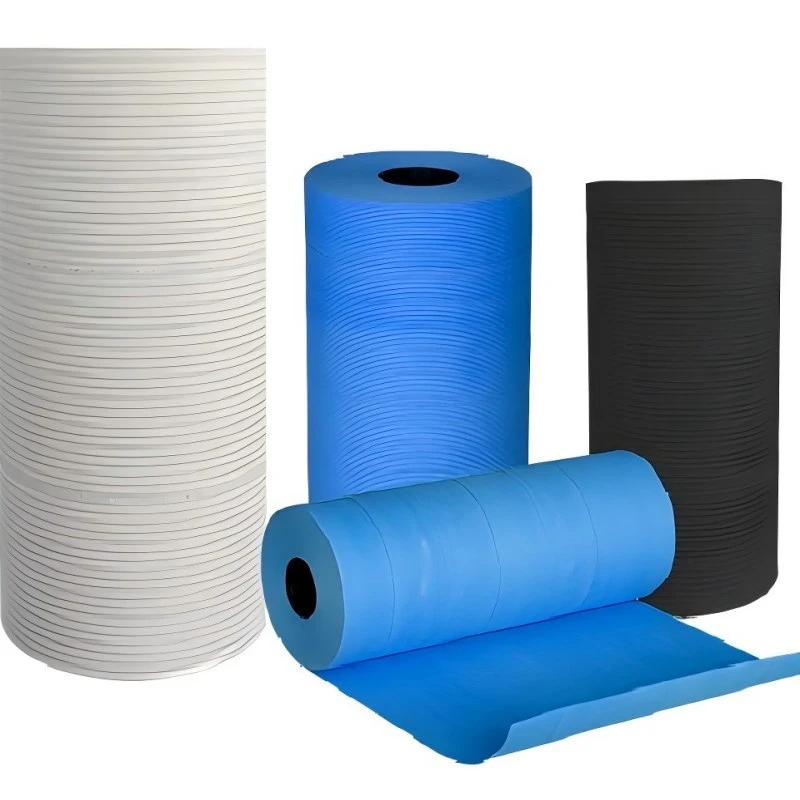
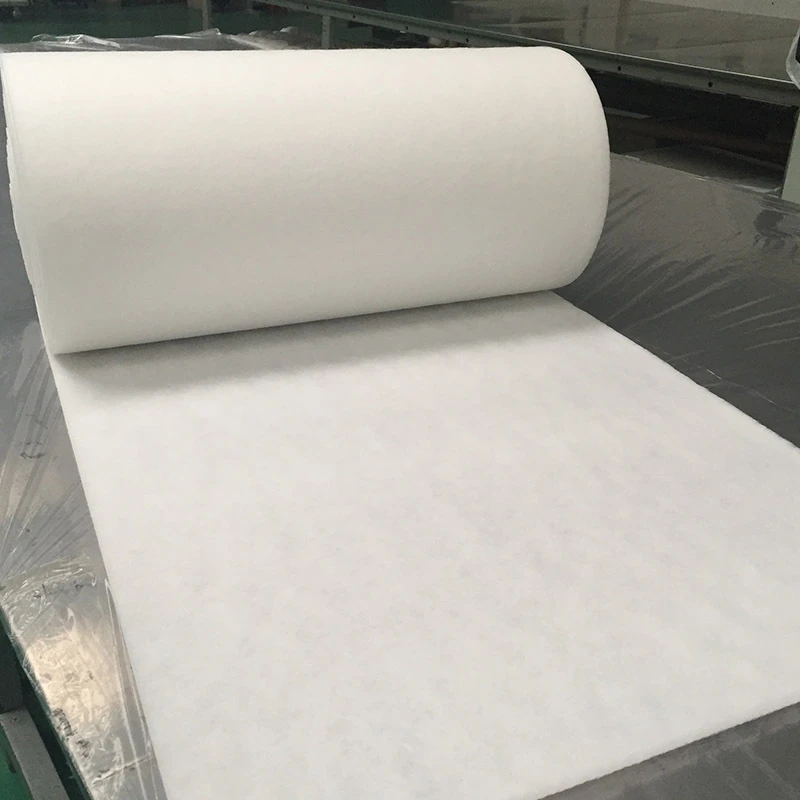
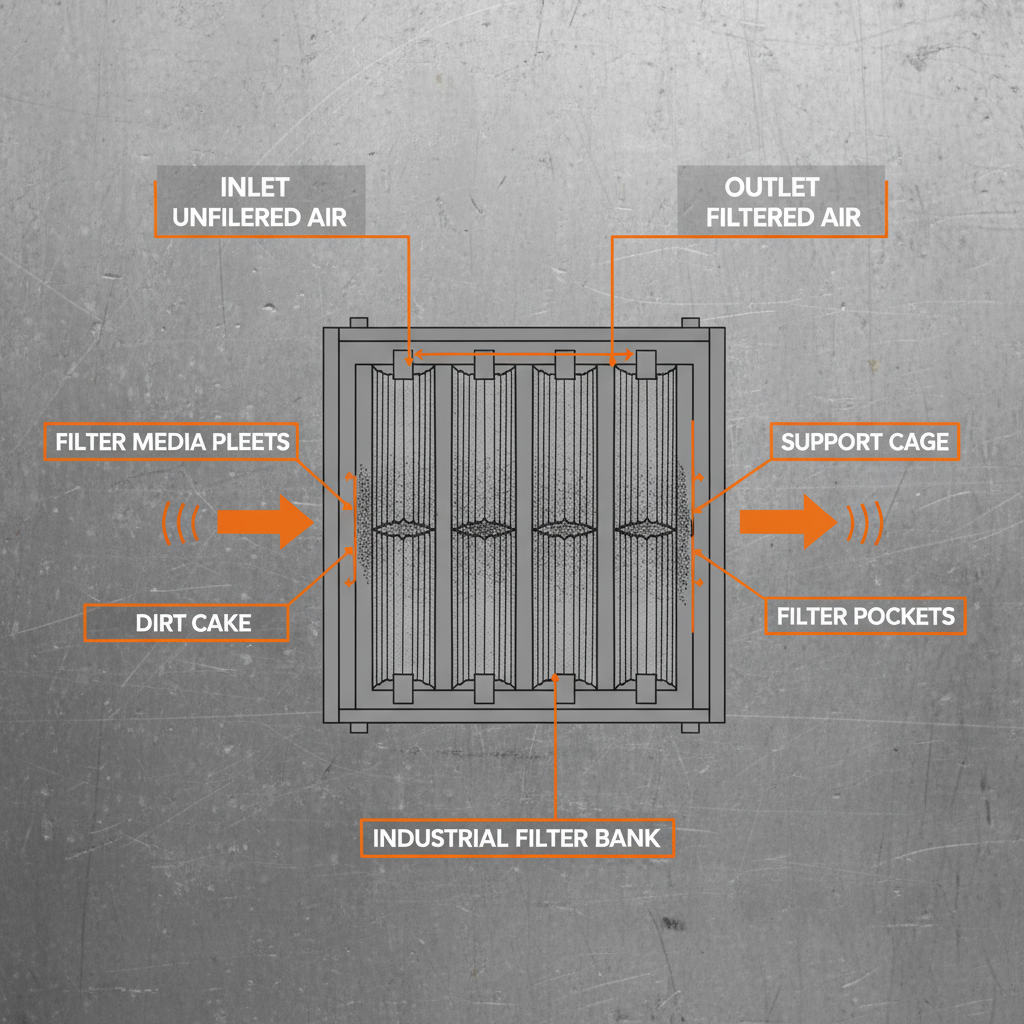
The first line of defense in any high-quality air purifier is the mechanical filter, which is responsible for trapping dust, pet dander, pollen, and the dreaded PM2.5—fine particulate matter that can penetrate deep into the human respiratory system. The material that has become the industry standard for this task is polypropylene air filter media. This synthetic polymer is favored for its remarkable versatility and its ability to be transformed into ultra-fine, "melt-blown" fibers.
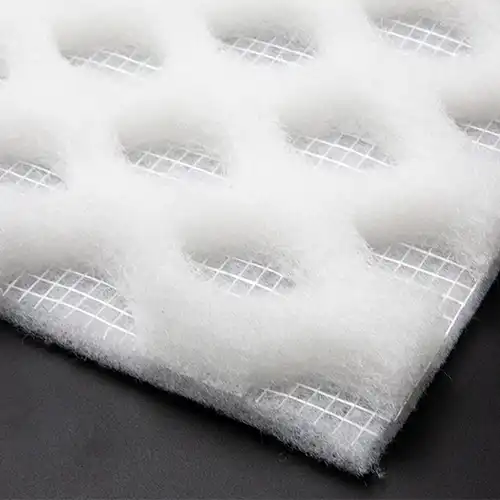
During the manufacturing process, polypropylene is melted and blown through tiny nozzles to create a dense, tangled web of micro-fibers. This structure is inherently superior for air purification because it provides a high surface area while maintaining a low resistance to airflow. Unlike traditional paper or fiberglass, polypropylene air filter media is naturally resistant to moisture and microbial growth. This is a critical advantage in residential settings, as it ensures that the filter itself does not become a breeding ground for bacteria or mold over time.
Furthermore, many variants of this media are "electret-charged." This means that during the manufacturing process, a permanent electrostatic charge is applied to the fibers. This charge acts like a magnet, pulling tiny particles out of the air stream and onto the fiber surface. This electrostatic enhancement allows the polypropylene air filter media to achieve extremely high filtration efficiencies—comparable to HEPA standards—without requiring the fan to work excessively hard. This results in air purifiers that are not only effective but also whisper-quiet, a necessity for bedrooms and office spaces where a "clean and stable airflow" must be maintained without acoustic disruption.
Chemical Neutralization: The Power of Activated Carbon Filter Material
While fibers are excellent at stopping solid particles, they are largely useless against gases, odors, and Volatile Organic Compounds (VOCs). These pollutants—which can include formaldehyde from new furniture, cooking smells, and chemical fumes from cleaning products—exist as individual molecules that are too small to be caught by a physical web. To address these chemical threats, air purifiers incorporate an activated carbon filter material.
Activated carbon is essentially "regular" carbon that has been treated with oxygen to open up millions of tiny pores between the carbon atoms. This process creates an incredible internal surface area; a single gram of activated carbon filter material can have a surface area of over 500 square meters. This vast network of pores works through a process called "adsorption," where gas molecules are chemically attracted to the carbon surface and trapped within its microscopic "craters."
In a residential air purifier, the activated carbon filter material acts as a chemical sponge. It is particularly effective at removing smoke and common household odors that can linger for days. By combining this with mechanical filtration, manufacturers can provide a "healthy indoor environment" that smells fresh and contains significantly lower levels of harmful chemical vapors. This is especially beneficial for individuals with chemical sensitivities or asthma, as it removes the triggers that often lead to respiratory distress.
Diverse Applications: Exploring Activated Carbon Filter Uses
The versatility of carbon means that activated carbon filter uses extend far beyond the simple home air purifier. In commercial settings, such as large office buildings and hotels, these filters are integrated into massive HVAC systems to ensure that the recirculated air remains free of "building musk" and external pollutants like vehicle exhaust.
One of the most innovative activated carbon filter uses is in "combination media," where the carbon is either impregnated directly into a non-woven substrate or sandwiched between layers of polypropylene air filter media. This creates a multi-functional filter that handles both particles and gases in a single, space-saving component. In environments like hair salons or nail bars, where high levels of chemical aerosols are present, these high-capacity carbon filters are essential for protecting the health of the workers.
Additionally, we are seeing these materials applied in "smart" air purifiers that use sensors to detect spikes in VOCs or particulates. When a spike is detected—perhaps during cooking or cleaning—the system ramps up the airflow through the activated carbon filter material, quickly neutralizing the threat before it can spread throughout the home. This reactive approach ensures that the air quality is not just maintained, but actively managed in real-time.
The Collaborative Future of Polypropylene Filter Media Manufacturers
As the global demand for air purifiers continues to soar, the role of polypropylene filter media manufacturers has become one of constant innovation. These producers are no longer just making "filter cloth"; they are designing advanced composites that are more sustainable, more efficient, and longer-lasting.
Modern polypropylene filter media manufacturers are exploring ways to use recycled polymers and biodegradable additives to reduce the environmental footprint of their products. Since air filters are consumable items that must be replaced periodically, the industry is under pressure to ensure that the "end of life" for these materials is as green as their "service life." Furthermore, new developments in nanofiber technology are allowing these manufacturers to create even thinner layers of media that provide even higher levels of protection against viral-sized particles.
By working closely with air purifier brands, these manufacturers ensure that the polypropylene air filter media is perfectly tuned to the specific fan curves and CADR (Clean Air Delivery Rate) requirements of the device. This partnership is what allows for the creation of a "clean and stable airflow" that can truly transform the atmosphere of a home or office.