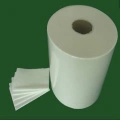
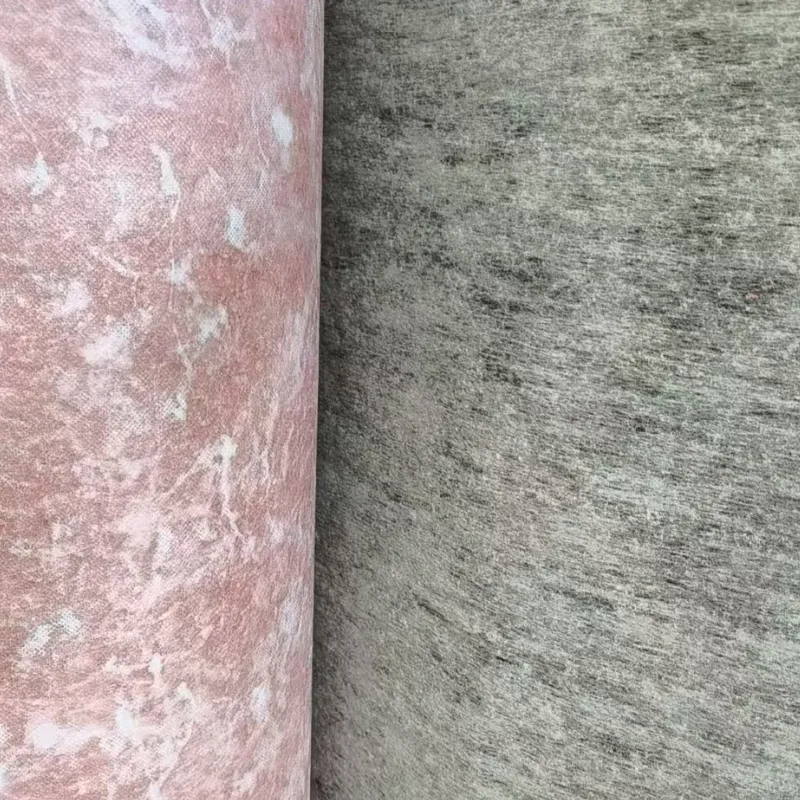
Industrial HEPA Filter Paper Manufacturer for Hybrid Air Purification
Industrial air purification requires a sophisticated balance between particle capture and gas-phase adsorption. For facilities dealing with volatile organic compounds (VOCs), odors, and toxic gases, standard filtration often falls short. The integration of activated carbon impregnation into glass fiber media creates a high-performance hybrid solution capable of simultaneous molecular and particulate filtration. This technical synergy is essential for maintaining safety and air quality in commercial ventilation and industrial exhaust systems.
By combining the structural integrity of glass fiber with the chemical affinity of activated carbon, this filter media effectively scrubs the airstream of complex pollutants. Whether deployed in bag filter configurations or customized HVAC inserts, the material is engineered to meet stringent efficiency standards while managing pressure drop. Understanding the relationship between carbon loading and filtration grade is key to optimizing the lifespan and performance of industrial air cleaning systems.

Technical Synergy of Activated Carbon and Glass Fiber Media
The core functionality of this media lies in its dual-action mechanism. The glass fiber substrate provides the primary mechanical barrier, capturing airborne particulates through interception and diffusion. Meanwhile, the impregnated activated carbon acts as a chemical sponge, utilizing a massive internal surface area to adsorb molecular contaminants that would typically pass through a standard HEPA or synthetic filter.
This combination is particularly effective for the removal of VOCs, toxic industrial gases, and persistent odors. The glass fiber base ensures that the filter maintains a consistent structure under airflow, preventing carbon shedding and ensuring that the media can be used in high-velocity ventilation systems. For engineers, this means a reduction in the number of filtration stages required, as one material performs both particle and gas filtration.
- Molecular Adsorption: Specifically targets odors and chemical vapors.
- Particulate Capture: Glass fiber matrix traps fine dust and aerosols.
- Structural Stability: High tensile strength prevents deformation under pressure.
- Versatile Application: Compatible with various bag filter and pocket filter designs.

Analyzing Performance Grades and Filtration Efficiency
Performance is categorized by efficiency grades, ranging from M5 to F9 according to EN 779 and ISO 16890:2016 standards. The selection of a specific grade depends on the required capture rate of 0.4μm particles and the permissible pressure drop. For instance, while a grade M5 provides lower resistance and is suitable for pre-filtration, a grade F9 offers significantly higher efficiency (up to 80-90% for ePM1) for critical air purification.
Pressure drop is a critical engineering metric; as efficiency increases, the resistance to airflow typically rises. This media is designed to keep the pressure drop within manageable limits (ranging from ≤40 Pa for CARB5 to ≤170 Pa for CARB9), ensuring that the system's fan energy consumption remains optimized. The thickness, maintained typically around 3.0mm to 4.0mm, provides sufficient carbon depth for effective gas capture without creating an excessive barrier to air.
Industrial Application Scenarios and Gas Capture
This material is primarily deployed in environments where air quality is compromised by chemical emissions. In commercial ventilation, it is used to remove cooking odors or chemical fumes from salons and laboratories. In industrial settings, it is indispensable for capturing exhaust from painting booths, chemical processing plants, and waste treatment facilities where toxic gases must be neutralized before discharge into the atmosphere.
The ability to customize width—up to 1400mm—allows manufacturers to create oversized bag filters that maximize the contact time between the air and the activated carbon. This increased "dwell time" is essential for the adsorption of low-concentration molecular pollutants. When integrated into an HVAC system, these filters protect downstream components from corrosive gases and provide a healthier environment for personnel.
Technical Specification Matrix by Model
| Model Grade | Efficiency (0.4μm) | Pressure Drop (Pa) | ISO 16890 Grade |
|---|---|---|---|
| CARB5 | 30±10% | ≤40 | ePM10 50%~65% |
| CARB6 | 35±10% | ≤50 | ePM2.5 50%~60% |
| CARB7 | 55±10% | ≤90 | ePM1 50%~70% |
| CARB8 | 75±10% | ≤140 | ePM1 70%~80% |
| CARB9 | 85±10% | ≤170 | ePM1 80%~90% |
Procurement Considerations for High-Efficiency Media
When sourcing from a professional hepa filter paper manufacturer, procurement managers must evaluate more than just the efficiency percentage. The consistency of the activated carbon impregnation is vital; uneven distribution can lead to "channeling," where air bypasses the carbon-rich areas, drastically reducing the filter's effective life. Verifying certifications such as ISO9001, UL, and SGS ensures that the material meets international safety and quality standards.
Additionally, the tensile strength of the media (typically ≥15 N/50mm in both directions) is a key factor for bag filters. High-tensile materials prevent the bags from stretching or tearing under the weight of the captured dust and the force of the airflow. Customization options, such as specific widths or customized carbon types for specific chemicals, should be discussed during the RFQ process to ensure a precise match for the industrial application.
Future Trends in Hybrid Molecular Filtration
The industry is moving toward "smart" filtration media that can be monitored for saturation in real-time. While current carbon-impregnated media are replaced based on pressure drop or time intervals, new integration techniques are allowing for better molecular selectivity. This means the carbon can be treated to target specific hazardous gases more aggressively, extending the replacement cycle and reducing operational waste.
Moreover, there is a growing demand for sustainable filter materials. The shift toward recyclable glass fiber substrates and regenerable carbon media is becoming a priority for companies aiming for LEED or other green building certifications. As air quality regulations tighten globally, the role of hybrid media in capturing both sub-micron particles and gaseous pollutants will only increase in importance.
Common Technical Questions on Impregnated Filter Media
What is the difference between standard HEPA and activated carbon impregnated media?
Standard HEPA filters are designed primarily for mechanical particle capture. Impregnated media combine this capability with chemical adsorption, allowing them to remove both fine particulates and gaseous molecular pollutants like VOCs and odors.
How does the pressure drop affect the choice of filter grade?
Higher efficiency grades (like F9) have a denser structure, which increases the pressure drop. Buyers must balance the need for air purity with the capacity of their fan system to avoid excessive energy costs or reduced airflow.
Can these materials be used in high-humidity environments?
Yes, the glass fiber base is inherently resistant to moisture. However, very high humidity can occupy the pores of the activated carbon, potentially reducing its gas adsorption efficiency. Proper pre-filtration is recommended.
What does the ISO 16890 ePM1 rating signify for this product?
ePM1 indicates the efficiency in capturing particles with a diameter of 0.1 to 1.0 μm. For example, the CARB9 grade achieves 80%-90% efficiency in this range, making it suitable for high-purity air requirements.
How should I determine when to replace the carbon filter media?
Replacement is typically triggered by a predetermined pressure drop limit (differential pressure) or when odors begin to break through the filter, indicating that the activated carbon's adsorption sites are saturated.
Is the material available in custom widths for large-scale industrial bags?
Yes, standard widths include 680mm and 695mm, but the material can be produced up to a maximum width of 1400mm to meet specific customer design requirements.
Technical Standards and References
- ISO 16890: Air filters for general ventilation
- ASHRAE Filtration Standards and Guidelines
- UL Certification for Air Filtration Materials
- EPA Guide on VOCs and Air Purification
Choosing the correct filter media requires a deep understanding of the specific pollutants in your airstream and the mechanical limits of your ventilation system. For customized technical support or bulk procurement of high-performance filter materials, contacting an experienced manufacturer is the most effective way to ensure system reliability and air quality compliance.
Industrial Filtration Material Insights